Top Anxiety Management Strategies for Mississippi Residents
Top Anxiety Management Strategies for Mississippi Residents
Anxiety can feel like a constant, disruptive storm, but finding effective ways to manage it is entirely possible. For residents of Mississippi dealing with chronic conditions and the mental strain they bring, developing a robust toolkit of anxiety management strategies is a critical step toward reclaiming a sense of calm and control. This guide is designed to be a practical resource, offering a detailed collection of ten powerful techniques tailored to your needs.
We will explore everything from foundational practices like cognitive behavioral therapy and mindfulness to the specifics of lifestyle adjustments. A key part of this discussion will involve understanding the role of medical marijuana within Mississippi's legal framework as a potential option for qualifying patients, focusing on its positive side effects for managing symptoms.
Each strategy is presented with clear, actionable insights to help you implement it effectively. Our goal is to empower you with the knowledge to build a personalized approach to mental wellness, providing a clear path from a state of persistent worry to one of greater well-being and stability, all while navigating the support systems available here in the Magnolia State.
1. Cognitive Behavioral Therapy (CBT)
Cognitive Behavioral Therapy (CBT) is a highly effective, evidence-based psychotherapeutic approach for managing anxiety. It operates on the principle that your thoughts, feelings, and behaviors are interconnected. CBT helps you identify and challenge the negative or unhelpful thought patterns that fuel anxiety, allowing you to reframe them into more balanced and realistic perspectives.
This structured therapy provides practical anxiety management strategies you can use in real-world situations. It's not about endlessly discussing your past; instead, it focuses on present-moment challenges and equips you with tools to change your responses. For instance, treatment for panic disorder using CBT has shown remarkable success rates, demonstrating its power to create lasting change.
Key CBT Insights at a Glance
For a quick reference, the infographic below summarizes the core aspects of a typical CBT treatment plan.
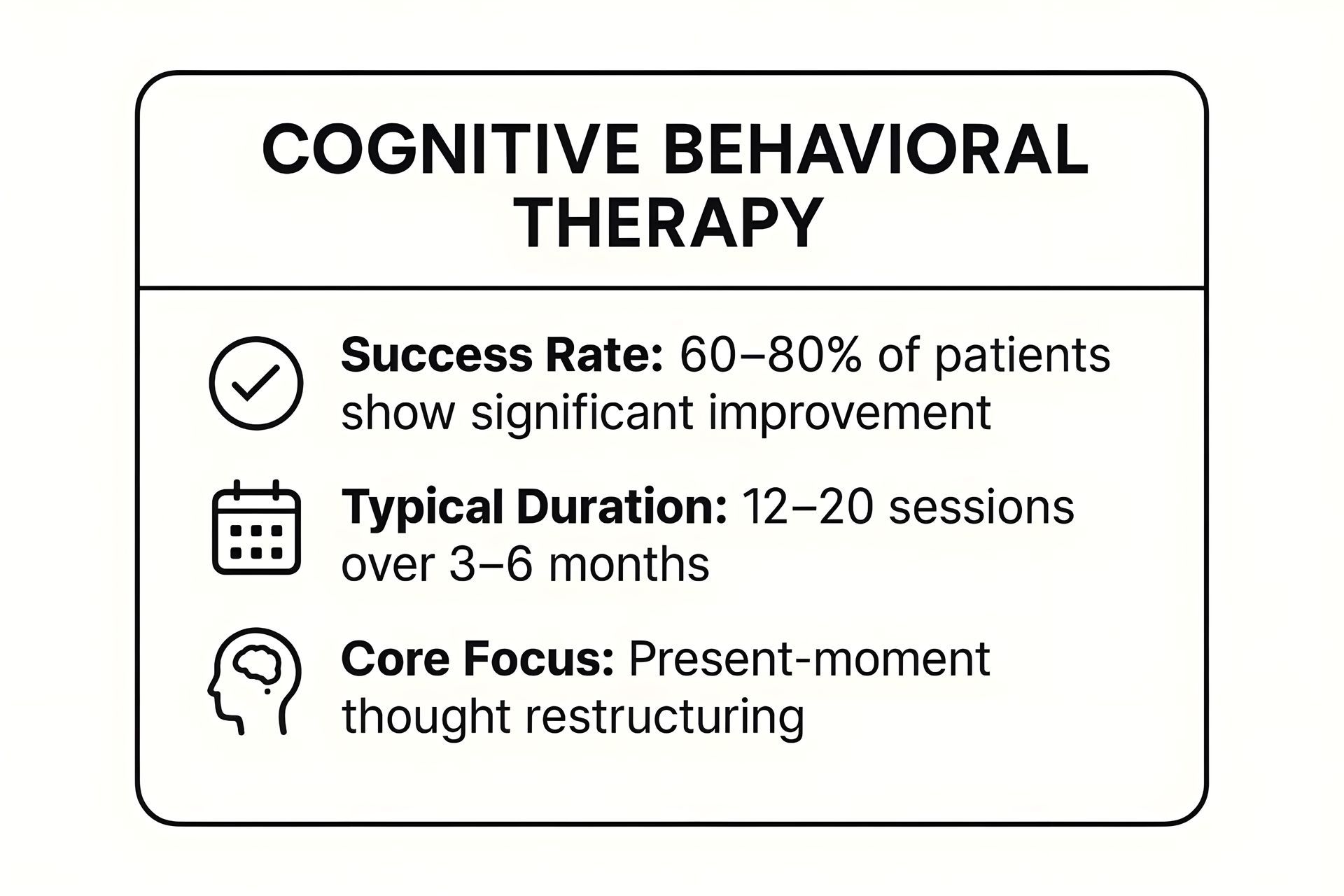
This data highlights that significant improvement is often achievable within a few months of dedicated, structured therapy. To get started, consider keeping a thought diary to track anxious thoughts or practicing the ABCDE model (Adversity, Belief, Consequences, Disputation, Energization) to actively challenge negative thinking.
2. Mindfulness Meditation
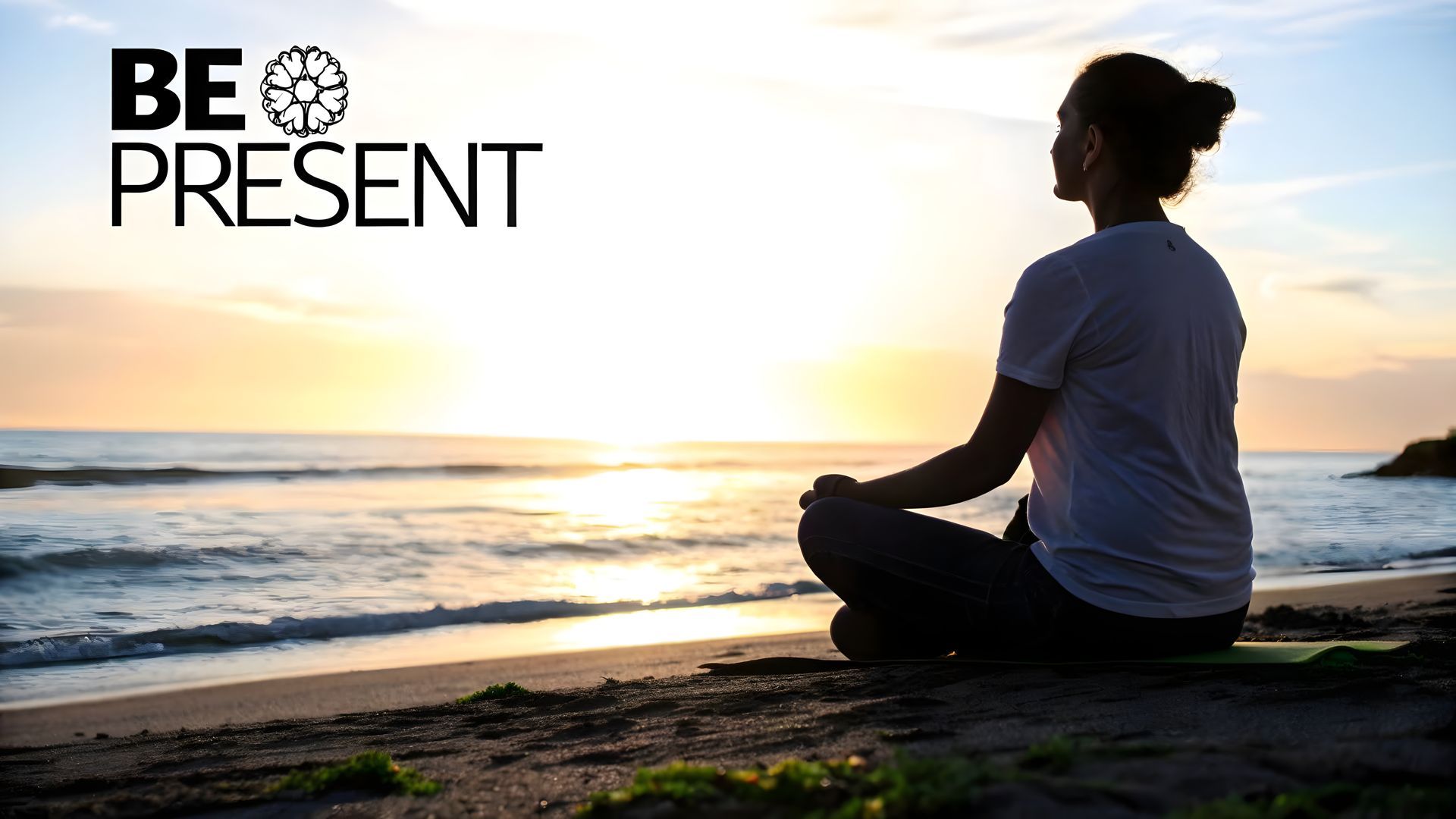
Mindfulness meditation is a powerful practice centered on paying attention to the present moment intentionally and without judgment. It works by helping you observe your anxious thoughts and feelings as they arise, but without getting swept away by them. This conscious awareness breaks the exhausting cycle of worry and rumination that often defines anxiety, promoting greater emotional regulation and a profound sense of calm.
This approach is not about stopping your thoughts, but rather changing your relationship with them. By creating space between you and your anxious reactions, you can cultivate a more stable inner state. Mindfulness-Based Stress Reduction (MBSR) programs are a prime example of its successful integration into healthcare, demonstrating significant reductions in stress and anxiety symptoms. Its effectiveness is so recognized that mindfulness is now taught in corporations, hospitals, and even to military personnel to improve resilience.
How to Practice Mindfulness Meditation
Integrating mindfulness doesn't require hours of silence; it's about bringing focused awareness into your daily life. It is one of the most accessible anxiety management strategies because you can start with just a few minutes each day.
To begin, find a quiet spot and set a timer for five minutes. Sit comfortably and focus on your breath, noticing the sensation of air entering and leaving your body. When your mind wanders, gently guide your attention back to your breath without criticism. You can also practice mindful walking, eating, or listening to incorporate this into your routine. For more guidance on this and other techniques, you can explore additional effective coping strategies for anxiety.
3. Deep Breathing Techniques
Deep breathing techniques are a powerful, accessible tool for managing anxiety in the moment. They involve consciously controlling your breath to activate the body's parasympathetic nervous system, which promotes a state of calm and counteracts the physiological "fight or flight" stress response. By slowing your heart rate and lowering blood pressure, these intentional breathing patterns provide immediate relief from the physical symptoms of anxiety.
This is one of the most fundamental
anxiety management strategies
because you can practice it anywhere, anytime, without any special equipment. It serves as an anchor, grounding you in the present moment when anxious thoughts begin to spiral. Techniques like box breathing highlight the profound impact that controlled respiration can have on your mental and emotional state.
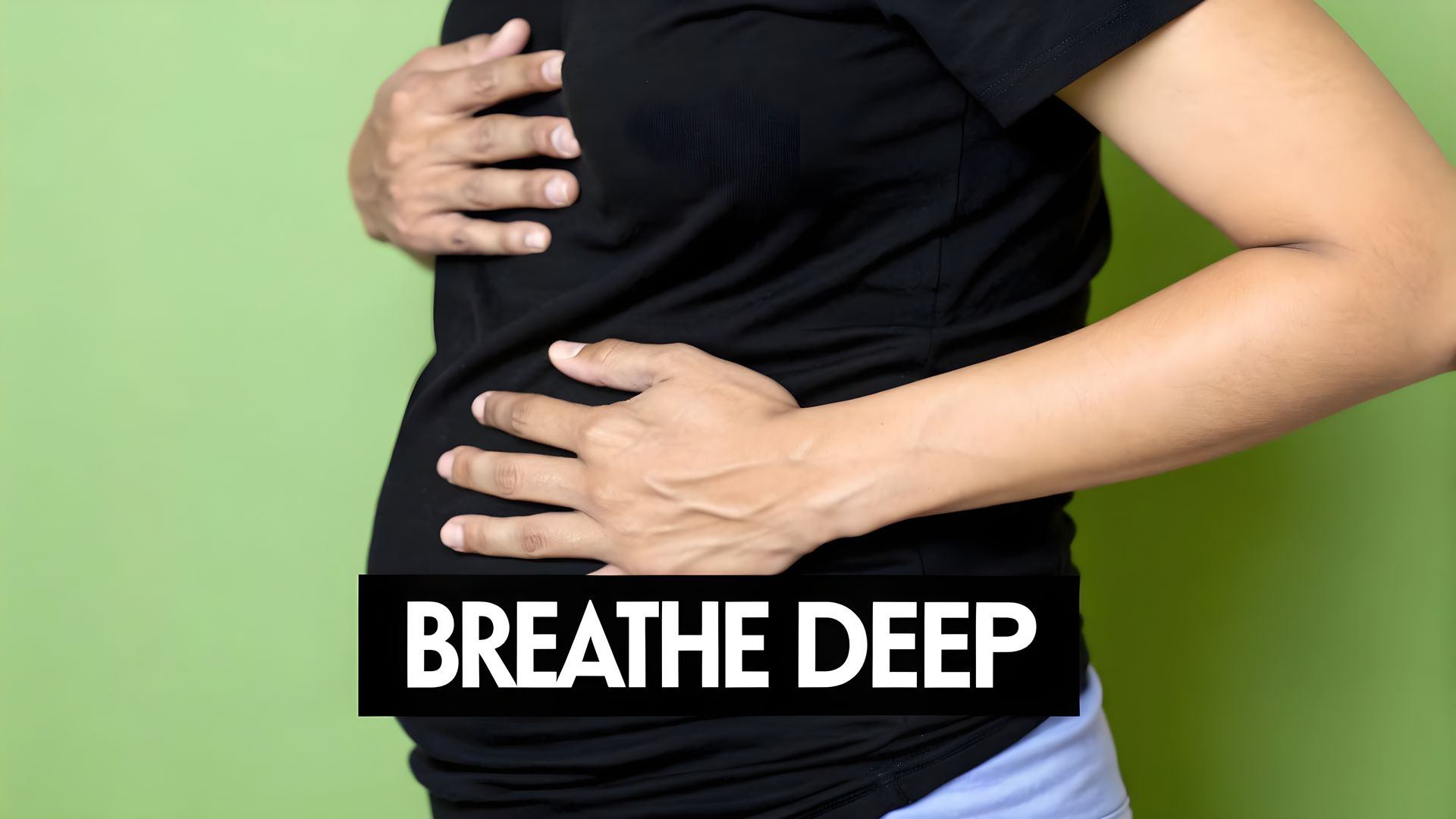
Key Breathing Insights at a Glance
To begin harnessing the power of your breath, try the 4-7-8 technique. Inhale quietly through your nose for a count of four, hold your breath for a count of seven, and then exhale completely through your mouth for a count of eight. Practicing this cycle just a few times can significantly reduce feelings of panic and stress. The key is to practice regularly, even when you feel calm, so the technique becomes second nature during moments of high anxiety.
4. Progressive Muscle Relaxation (PMR)
Progressive Muscle Relaxation (PMR) is a powerful, body-focused technique for reducing physical tension, which is a common symptom of anxiety. This method involves systematically tensing specific muscle groups for a short period and then releasing the tension. This process teaches you to recognize the feeling of muscular tension and consciously let it go, promoting a state of deep physical calm that naturally quiets the mind.
This straightforward practice provides one of the most direct anxiety management strategies by interrupting the physical stress cycle. It's not just about relaxing; it’s an active skill that builds your awareness of how anxiety manifests in your body. For example, PMR is often used in chronic pain management and corporate wellness programs because of its proven ability to lower stress, improve sleep, and reduce physical discomfort tied to mental distress.
How to Practice PMR
This guided PMR exercise video provides an excellent starting point for learning the technique.
To begin, find a quiet space where you won't be disturbed. Systematically work through your body, tensing each muscle group for about 5 seconds before releasing it for 15-20 seconds. Pay close attention to the profound contrast between the feeling of tightness and the sensation of deep relaxation that follows. Regular, daily practice is key to mastering this calming skill.
5. Exposure Therapy
Exposure therapy is a structured psychological technique designed to help individuals confront their fears in a controlled, safe setting. It operates on the principle that avoiding feared situations or objects actually reinforces anxiety. By gradually and repeatedly exposing yourself to these triggers, you learn that the feared outcomes are unlikely to happen, which helps diminish the fear response over time, a process known as habituation.
This approach is one of the most effective anxiety management strategies for specific phobias, social anxiety, and post-traumatic stress disorder (PTSD). Rather than simply talking about fears, this therapy involves direct, real-world practice. For instance, someone with social anxiety might start by making eye contact with a cashier and gradually work up to attending a small social gathering. The goal is to build confidence and recalibrate your brain's fear circuitry.
Key Aspects of Exposure Therapy
To ensure this powerful technique is applied safely and effectively, it is essential to work with a qualified therapist. They will help you build a fear hierarchy, starting with the least intimidating situations and progressing at a pace that feels manageable. A key component of this process involves staying in the feared situation until your anxiety naturally subsides, proving to yourself that you can handle the distress. This method is particularly impactful in treatments like Prolonged Exposure Therapy. To learn more about treatment options for PTSD, explore resources for managing PTSD in Mississippi.
6. Regular Physical Exercise
Regular physical exercise is a powerful and natural tool for anxiety management, working through a combination of biological and psychological mechanisms. Engaging in physical activity releases endorphins, which are the body's natural mood elevators, while simultaneously reducing stress hormones like cortisol. This process not only provides a healthy outlet for nervous energy but also builds long-term resilience against stress.
Incorporating movement into your routine is one of the most accessible anxiety management strategies available. It directly impacts brain chemistry by boosting neurotransmitters like serotonin and dopamine, which help regulate mood. Programs like yoga for mental health or structured running regimens have shown significant success in alleviating anxiety symptoms, proving that intentional movement is a cornerstone of mental wellness.
Key Exercise Insights at a Glance
For a practical approach, consider these actionable steps to integrate physical activity into your life.
- Start Small: Begin with just 10-15 minutes of activity each day, such as a brisk walk, to build a sustainable habit.
- Find Joy in Movement: Choose activities you genuinely enjoy, whether it's dancing, swimming, or hiking. This increases the likelihood you'll stick with it.
- Practice Moving Meditation: Use your workout as a mindfulness practice by focusing on your body’s movements and your breath, which can calm a racing mind.
- Track Your Progress: Noting your improvements, whether in duration or intensity, can provide a powerful sense of accomplishment and maintain motivation.
This approach helps transform exercise from a chore into a reliable method for managing anxious feelings. For those in Mississippi exploring holistic wellness plans, integrating exercise can be a vital component. Some patients even find that combining gentle exercise with their state-approved medical Marijuana plan can enhance feelings of well-being. Learn more about how medical marijuana and exercise can work together.
7. Journaling and Thought Recording
Journaling and thought recording are powerful techniques for externalizing and understanding anxious thoughts. This strategy involves systematically writing down your thoughts, feelings, and the situations that trigger them, creating a tangible record that helps you gain clarity and control. By moving worries from your mind to paper, you can dissect them more objectively, identify recurring negative patterns, and challenge cognitive distortions that fuel anxiety.
This process serves as one of the most accessible anxiety management strategies because it requires nothing more than a pen and paper or a digital app. It provides a private space to explore your inner world without judgment, helping you track triggers and measure progress over time. For instance, using a structured thought record, a core component of CBT, allows you to actively dispute anxious beliefs and cultivate more balanced, realistic perspectives, reducing their emotional impact.
Key Journaling Insights at a Glance
For a quick reference, the infographic below summarizes the core benefits of a consistent journaling practice for mental well-being.
This data underscores how a simple, consistent habit can lead to significant psychological benefits. To start, dedicate just five to ten minutes each day to write freely. Consider using prompts like "What am I most worried about right now?" or "What went well today?" to guide your entries and begin untangling the complex web of anxiety.
8. Lifestyle Modifications
Lifestyle modifications are fundamental, long-term anxiety management strategies that involve making deliberate changes to your daily habits and routines. This approach recognizes that your mental state is deeply connected to your physical health, and by optimizing foundational elements like sleep, nutrition, and daily structure, you can build a more resilient foundation against anxiety. It's about creating an environment where your mind and body can thrive, reducing your overall vulnerability to anxiety triggers.
Making sustainable changes to your lifestyle provides a powerful sense of control and stability. For example, adopting a healthy diet can be associated with lower anxiety levels, while establishing consistent sleep hygiene is a cornerstone of many anxiety treatment plans. These aren't quick fixes but proactive measures that compound over time to significantly improve your baseline mental well-being and reduce the frequency and intensity of anxious feelings.
Key Lifestyle Adjustments at a Glance
- Prioritize Sleep Quality: Aim for 7-9 hours of consistent, high-quality sleep. Create a calming bedtime routine, avoid screens an hour before bed, and ensure your bedroom is dark and cool. Sleep is critical for emotional regulation.
- Mindful Nutrition: Focus on whole foods rich in nutrients like magnesium, zinc, and omega-3 fatty acids, which support brain health. Establishing regular meal times can also help stabilize your mood and energy levels.
- Limit Stimulants: Gradually reduce your intake of caffeine and alcohol. Caffeine can mimic or worsen anxiety symptoms, while alcohol can disrupt sleep and lead to increased anxiety the next day.
- Create Structure: Establish a consistent morning or evening routine. Predictability can be incredibly calming for an anxious mind, reducing the mental load of decision-making and providing a sense of order.
9. Social Support and Connection
Social support and connection involve cultivating meaningful relationships that provide emotional security, practical help, and a vital sense of belonging. Humans are inherently social beings, and isolation can significantly amplify feelings of anxiety. Building a strong support network acts as a natural buffer, offering different perspectives on stressors and reminding you that you are not alone in your struggles.
These connections are fundamental anxiety management strategies because they create a space for vulnerability and shared experience. Rather than bottling up worries, sharing them with a trusted friend, family member, or support group can reduce their power. Research highlights how embracing connection is essential for mental resilience, making it a powerful tool against anxiety's isolating effects.
Key Connection Strategies at a Glance
For a quick reference, here are some actionable ways to build your social support system.
- Prioritize Quality Over Quantity: Focus on nurturing a few deep, meaningful relationships rather than a large number of superficial ones.
- Join a Group with Shared Interests: Engaging in a hobby you love, whether it's a book club, hiking group, or art class, connects you with like-minded individuals.
- Consider Professional Support Groups: Structured groups for anxiety provide a safe, professionally guided environment to share experiences and coping mechanisms.
- Practice Active Listening: Building strong connections is a two-way street. By actively listening to others, you strengthen the bond and foster mutual trust.
These methods help create a robust foundation of support, which is crucial for long-term emotional wellness. To start, identify one person you trust and schedule a time to talk, or research a local community group in Mississippi that aligns with your interests.
10. Medical Marijuana in Mississippi
For qualifying patients in Mississippi, medical Marijuana can be an integral part of an anxiety management plan. The state’s medical Marijuana program allows individuals with certain debilitating conditions, which often include associated anxiety, to access Marijuana for therapeutic purposes. The positive side effects can include a reduction in anxious feelings, improved sleep, and an overall sense of calm, helping to manage the symptoms that disrupt daily life.
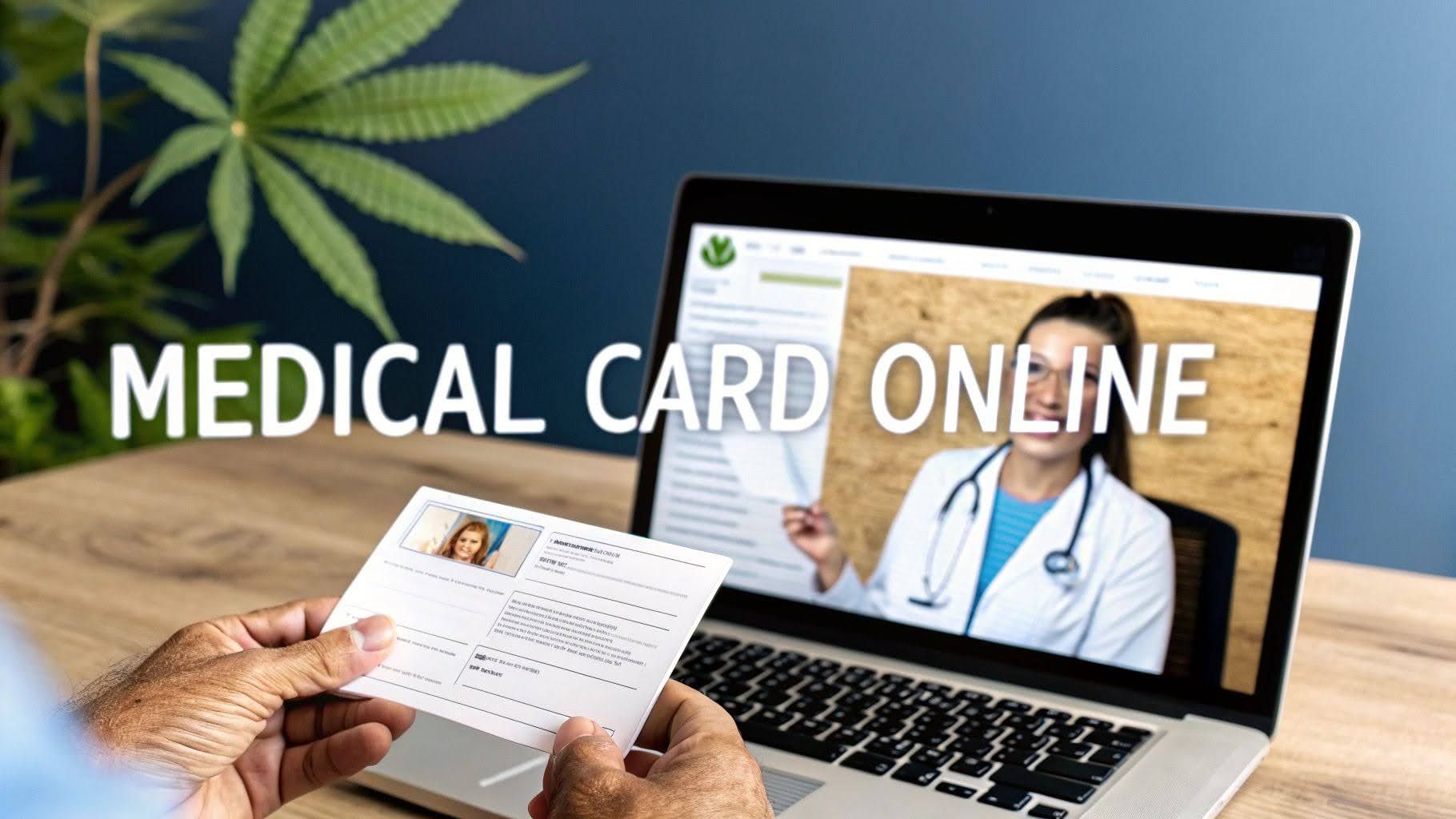
Obtaining a medical Marijuana card is a structured process designed to ensure patient safety and legal compliance. It begins with a consultation with a qualified practitioner who can certify that you have a qualifying condition. This approach positions medical Marijuana as a legitimate therapeutic option, distinct from recreational use, and focuses on its potential benefits for well-being.
Key Medical Marijuana Insights for Mississippi Patients
For Mississippi residents considering this path, understanding the process is key.
- Qualifying Conditions: The Mississippi State Department of Health provides a list of qualifying medical conditions. Many of these, like chronic pain or PTSD, have anxiety as a common comorbidity.
- Certification Process: You must be certified by a practitioner who is licensed to recommend medical Marijuana in Mississippi. This certification is the first step toward obtaining your medical card.
- Therapeutic Benefits: Many patients report positive side effects such as reduced anxiety, stress relief, and better sleep quality, which can significantly improve their ability to function and engage in other therapies.
This strategy should always be pursued under professional guidance to ensure it is appropriate for your specific health needs. Integrating medical Marijuana into a broader wellness plan that includes other strategies like therapy and lifestyle changes can create a comprehensive approach to managing anxiety.
Anxiety Management Strategies: Comparative Overview
| Item | Implementation Complexity 🔄 | Resource Requirements ⚡ | Expected Outcomes 📊 | Ideal Use Cases 💡 | Key Advantages ⭐ |
|---|---|---|---|---|---|
| Cognitive Behavioral Therapy (CBT) | Moderate - structured sessions, homework | Requires trained therapist, time commitment | 60-80% show significant improvement | Anxiety disorders, panic, workplace anxiety | Evidence-based, skill-building, goal-oriented |
| Mindfulness Meditation | Low - regular personal practice | Minimal - time and consistency | Improves emotional regulation over weeks | Stress reduction, mild to moderate anxiety | Accessible, free, builds resilience |
| Deep Breathing Techniques | Low - easy to learn, immediate practice | None | Immediate anxiety relief, temporary effect | Acute anxiety episodes, panic prevention | Instant relief, free, discreet |
| Progressive Muscle Relaxation (PMR) | Moderate - 15-20 min sessions | None | Reduces muscle tension and anxiety symptoms | Physical anxiety symptoms, sleep improvement | Full-body relaxation, no equipment needed |
| Exposure Therapy | High - requires professional guidance | Therapist support, emotional commitment | 80-90% effective for phobias | Phobias, PTSD, OCD | Addresses root causes, long-lasting results |
| Regular Physical Exercise | Moderate - consistent time investment | Access to safe exercise environment | Improves mood, reduces stress long-term | General anxiety, depression, stress relief | Natural, multi-benefit, cost-effective |
| Journaling and Thought Recording | Low - regular writing habit | Minimal - journal or app | Insightful tracking, reduces anxiety symptoms | Self-reflection, cognitive restructuring | Inexpensive, accessible, promotes insight |
| Lifestyle Modifications | High - multiple habit changes | Time, commitment | Improved overall mental health and anxiety | Long-term anxiety management, preventive | Holistic, cost-effective, sustainable |
| Social Support and Connection | Low to Moderate - building/maintaining relationships | Time and social engagement | Reduces isolation, lowers anxiety risk | Social anxiety, emotional support needs | Natural, reduces stigma, resilience-building |
| Medical Marijuana (MS) | High - medical supervision needed | Access to practitioner, state fees | Symptom relief for qualifying conditions | Adjunct for anxiety with qualifying conditions | Targeted symptom relief, improved well-being |
Your Path to Wellness: Integrating Strategies for Lasting Relief
Navigating the complexities of anxiety can feel overwhelming, but it's a journey you don't have to take without a map. We've explored ten powerful anxiety management strategies, from the structured thought-reframing of Cognitive Behavioral Therapy (CBT) to the in-the-moment grounding of deep breathing techniques. Each strategy represents a distinct tool you can place in your mental wellness toolkit, ready to be deployed when you need it most. The true power, however, lies not in mastering a single technique but in thoughtfully weaving them together into a personalized tapestry of support.
Think of it as building a comprehensive defense system. Mindfulness meditation can serve as your long-term foundation, training your brain to observe thoughts without judgment. Meanwhile, Progressive Muscle Relaxation can be your rapid-response tool for releasing acute physical tension. Journaling acts as your intelligence-gathering unit, helping you identify anxiety triggers and patterns over time. This integrated approach ensures you have a strategy for every situation, from immediate crises to sustained, long-term well-being.
Key Takeaways for Your Wellness Journey
The most crucial takeaway is that you are in control. The path to managing anxiety is not a passive one; it is an active process of learning, experimenting, and discovering what works best for your unique mind and body. The goal isn't to eliminate anxiety entirely, an impossible and unnatural aim, but to reduce its power over your daily life. It's about turning down the volume on anxious thoughts so you can hear the quieter, more resilient voice within.
Remember these core principles as you move forward:
- Consistency Over Intensity: Practicing a five-minute breathing exercise daily is often more beneficial than a sporadic hour-long session.
- Self-Compassion is Non-Negotiable: There will be good days and difficult days. Treat yourself with the same kindness and understanding you would offer a friend.
- Personalization is Key: The "best" anxiety management strategies are the ones you will actually use. Don't be afraid to modify techniques to fit your lifestyle and preferences.
Taking Action: Your Next Steps
Empowerment begins with a single, deliberate step. Start by choosing just one or two strategies from this article that resonated with you. Perhaps it's committing to a short walk each afternoon (Regular Physical Exercise) or downloading a guided meditation app (Mindfulness). For Mississippians living with chronic conditions that contribute to anxiety, exploring whether medical Marijuana is a suitable option under professional guidance could also be a vital step. The key is to start small, build momentum, and create sustainable habits that foster lasting change.
By proactively engaging with these techniques, you are not just coping with anxiety; you are actively building a life characterized by greater peace, resilience, and control. These
anxiety management strategies are more than just coping mechanisms; they are foundational skills for a higher quality of life, empowering you to engage more fully with your work, your relationships, and your passions.
Ready to explore a comprehensive, patient-centered approach to your well-being? At Pause Pain and Wellness, we provide compassionate telehealth services and educational resources to help Mississippians navigate their treatment options, including guidance on obtaining a medical Marijuana card for qualifying conditions. VisitPause Pain and Wellness to learn how our supportive framework can be a part of your personalized anxiety management plan.