
Does Zyprexa Cause Weight Gain? An Honest Guide
Let's get right to it: does Zyprexa cause weight gain?
The short answer, based on years of clinical data, is a definite yes. This isn't some rare or surprising reaction; it's a well-documented and significant side effect for many people who take this medication.
The Real Story Behind Zyprexa and Weight Gain
When you're starting a medication like Zyprexa (olanzapine), knowing what to expect is the first step toward feeling in control of your health. While it can be incredibly effective for its intended purpose, any conversation about Zyprexa almost always includes its impact on body weight.
We're not just talking about a few extra pounds here. For some people, the weight gain can be substantial, creating a new set of challenges for both physical health and self-esteem. The change happens because the medication interacts with your body's core chemistry, directly influencing appetite signals and how your body manages energy.
What the Clinical Data Shows

You don't have to take our word for it—the numbers speak for themselves. The link between Zyprexa and weight gain isn't just anecdotal; it's backed by statistically significant findings from numerous clinical trials.
A deep dive into the research reveals a clear pattern. Pooled analyses from multiple studies showed that patients treated with Zyprexa gained an average of 7.35 kg to 10.8 kg (that’s about 16 to 24 pounds). On top of that, roughly 65% of patients experienced a weight increase of more than 7%—a key threshold that doctors consider clinically significant. You can see the full details in the FDA’s clinical review of the data.
This reality makes one thing crystal clear: being proactive is essential. The following table breaks down the key findings from the FDA clinical trials to give you a straightforward look at the data.
Zyprexa (Olanzapine) Weight Gain at a Glance
This table summarizes key findings from FDA clinical trials regarding weight gain associated with Zyprexa treatment.
| Statistic | Finding from Clinical Trials |
|---|---|
| Average Weight Gain | Patients gained an average of 7.35 kg to 10.8 kg (16-24 lbs) over the course of treatment in various studies. |
| Clinically Significant | Approximately 65% of patients experienced a weight increase of more than 7% of their baseline body weight. |
| FDA Review Link | Detailed findings are available in the official FDA clinical review document. |
These figures aren't meant to scare you, but to empower you. Understanding the facts is the first step in creating a plan to manage this side effect effectively.
Why Your Body's Signals Change on Zyprexa
If you’ve experienced weight gain while on Zyprexa, you already know it feels different than just overeating. This isn't a simple matter of willpower. It’s a profound shift in your body's fundamental biology, driven by how the medication interacts with your brain's communication network.
Think of your brain as having a sophisticated "appetite thermostat" that keeps your hunger and fullness perfectly balanced. Zyprexa is so effective because it works on several chemical pathways in this system, but that same action can throw your thermostat completely out of whack.
The Science of Hunger Signals
So, how does Zyprexa cause weight gain? One of the main ways is by blocking a couple of key receptors in your brain, namely the histamine H1 receptor and the serotonin 5-HT2C receptor.
When these receptors are working like they should, they send a clear message to your body: "Hey, we're full. You can stop eating now." But Zyprexa essentially mutes that signal. The result is an intense, almost constant appetite and food cravings that can feel overwhelming. It’s like the "off" switch for your hunger gets stuck, leaving you feeling unsatisfied even right after a big meal.
This interference is why so many people report a constant urge to eat, especially for high-calorie foods. Your brain simply isn't getting the chemical memo that it has enough energy, so it keeps sending out powerful hunger signals.
This biological rewiring is the core reason why "just eating less" is often not enough. Your body is actively working against you, driven by chemically altered signals that demand more food.
More Than Just Appetite
But the changes don’t stop there. Zyprexa also messes with your metabolism—your body's engine for burning calories. The medication can actually slow this engine down, meaning you burn fewer calories throughout the day, even when you're just sitting still.
- Slower Metabolism: Your body becomes much more efficient at holding onto energy. This would be a great thing in a famine, but in normal life, it leads directly to weight gain.
- Increased Fat Storage: Zyprexa can alter how your body handles fats and sugars, encouraging it to store more of what you eat as fat tissue instead of using it for fuel.
- Sedation and Lower Activity: Feeling drowsy or sedated is a common side effect. When you’re tired and have no energy, you’re naturally going to be less active, which tips the scales even further.
When you put it all together, these effects create the perfect storm for gaining weight. You’re taking in more calories because of intense cravings, while at the same time, your body is burning fewer calories and storing more of them as fat. Understanding this physiological reality is the key to figuring out why Zyprexa can cause such significant changes and how to start managing it strategically.
Comparing Zyprexa to Other Antipsychotics
When it comes to antipsychotic medications, they are definitely not all created equal—especially when we're talking about the risk of gaining weight. To really get to the bottom of the question, "does Zyprexa cause weight gain," it’s crucial to see how it stacks up against other drugs in its class. When you look at the clinical data for second-generation antipsychotics, a clear risk spectrum becomes obvious.
Zyprexa (olanzapine) almost always lands at the higher end of that spectrum. This isn't to say other medications are risk-free, but it does mean Zyprexa has a particularly strong link to this side effect. Understanding that context is key to knowing what to expect.
The Antipsychotic Risk Spectrum
Think of it like shopping for a car based on fuel efficiency. Some models are notorious gas-guzzlers, while others are fuel-sipping hybrids. Antipsychotics can be grouped in a similar way based on their metabolic impact.
- High Risk: Medications like Zyprexa (olanzapine) and clozapine are well-known for having the most significant effect on weight and metabolism.
- Moderate Risk: Drugs such as risperidone and paliperidone sit in the middle. They carry a risk of weight gain, but it's generally less pronounced than with olanzapine.
- Lower Risk: Medications like aripiprazole and ziprasidone are typically associated with a much lower chance of causing major weight changes.
This image gives a great visual of how Zyprexa's dosage can directly correlate with average weight gain, based on real-world clinical data.
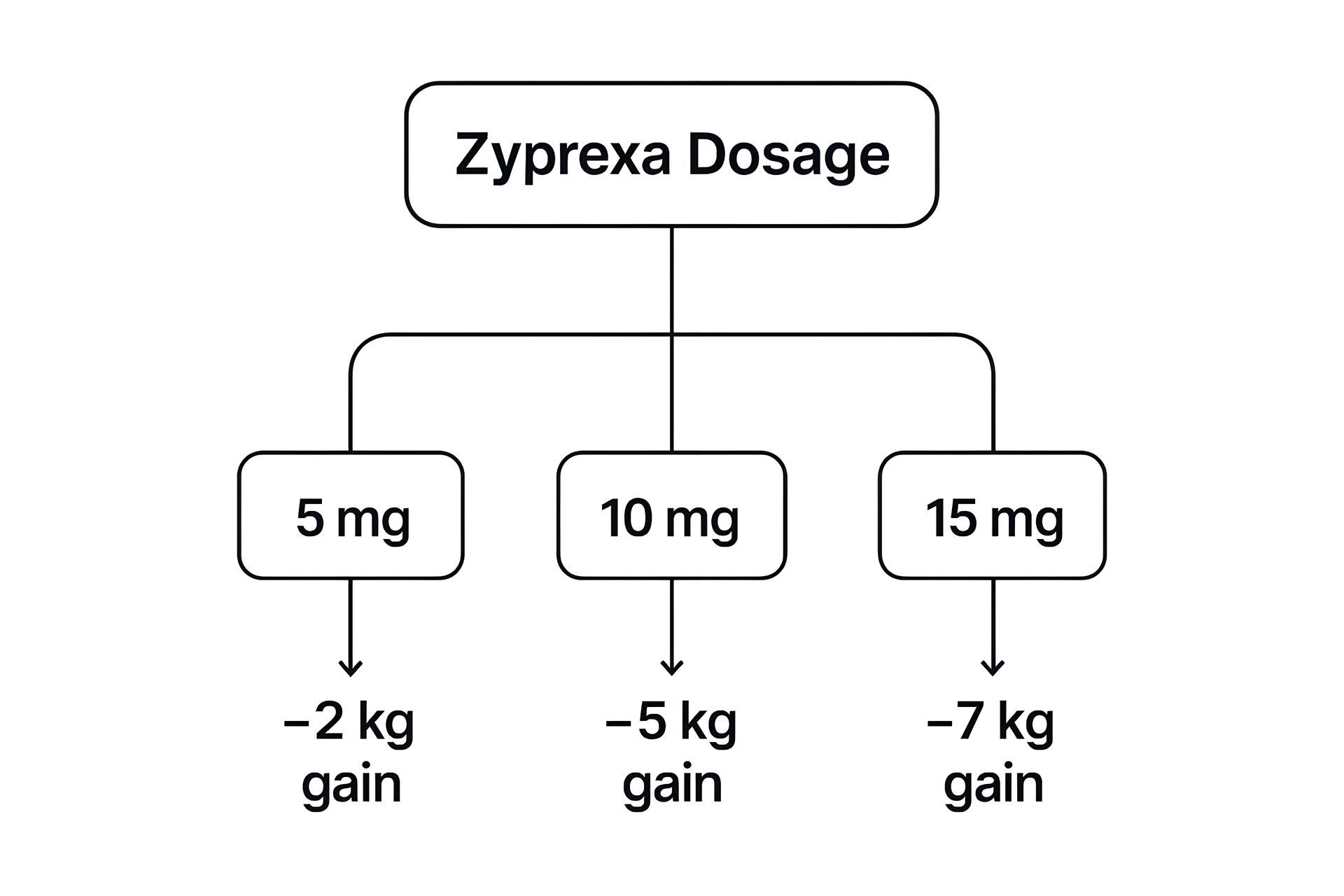
As you can see, there's a clear dose-dependent relationship. Higher doses often lead to more significant weight gain.
What the Research Says
It's not just anecdotal; large-scale studies have cemented Zyprexa's position at the top of this risk list. A major 2018 meta-analysis looked at all the popular second-generation antipsychotics and confirmed olanzapine had the highest risk of weight gain out of every drug studied.
The odds of a patient gaining at least 7% of their starting body weight were a staggering 4.66 times higher for people taking olanzapine compared to a placebo. That was significantly higher than the odds for risperidone (2.19) and paliperidone (2.12). You can dig deeper into these numbers by reading the published research yourself.
This information isn't here to steer your treatment choices. Instead, it’s meant to give you a clear, data-driven perspective. Knowing where Zyprexa stands helps you have a more productive conversation with a healthcare provider about what to expect and how you can build a proactive plan to manage potential side effects. This is especially true for Mississippi residents seeking a medical marijuana card who might be balancing multiple conditions and medications. Being open about every part of your treatment is a crucial step toward building a wellness strategy that truly works for you.
Understanding Your Personal Risk Factors
While Zyprexa is often the catalyst for weight gain, the story isn't the same for everyone. It’s a common question with a clear answer: yes, Zyprexa can cause weight gain. But how much and how quickly it happens really depends on your unique biology and circumstances.
Figuring out your personal risk factors is the first real step toward taking back control. The journey with Zyprexa is highly individual, and knowing what makes you more susceptible to its metabolic side effects helps you and your healthcare provider build a proactive plan right from day one.

Key Factors That Influence Weight Gain
Several parts of your health profile can either turn up or turn down your risk. Think of it as a complex dance between the medication and your body's own natural tendencies.
- Your Starting Weight: It's an interesting paradox, but studies show that people with a lower initial Body Mass Index (BMI) sometimes see a greater percentage of weight gain. This makes close monitoring critical for everyone, not just those who are already overweight.
- Age and Gender: Younger patients, especially adolescents, seem to be more prone to significant metabolic shifts and weight gain when they start an antipsychotic medication.
- Genetics: Your family history absolutely plays a part. If your close relatives have a history of metabolic syndrome, diabetes, or obesity, you may be more genetically wired to experience these same side effects.
The speed at which these changes can happen is often what catches people off guard. Many report noticeable weight gain within the first four to six weeks of starting treatment. That rapid onset is exactly why immediate awareness and tracking are so important.
Lifestyle and Pre-Existing Conditions
Your daily habits and current health status also have a huge impact on how your body responds to Zyprexa. The good news? These are areas where you have a degree of control, making them a key focus for any management strategy.
For anyone managing complex conditions, it’s vital to see the full picture of your health. For instance, some people explore every available avenue for relief. The research on medical marijuana for neuropathy treatment underscores just how important it is to understand all the moving parts of your care plan.
Pre-existing health conditions like Polycystic Ovary Syndrome (PCOS) or a history of insulin resistance can certainly amplify the risk of gaining weight. It's essential to share your complete medical history with your provider so they can tailor their recommendations just for you.
Understanding that your biology, your habits, and your health history all interact with the medication is the foundation for creating a personalized and effective strategy.
Building Your Weight Management Action Plan

Knowing that Zyprexa can cause weight gain is one thing; doing something about it is another. A proactive action plan is your most powerful tool for navigating this side effect.
This isn't about restrictive dieting or punishing workouts. It's about making smart, sustainable choices that put you back in the driver's seat. And the most important step? Partnering with your healthcare provider to build this plan together.
Smart Strategies for Your Diet
Because Zyprexa can ramp up your appetite and slow your metabolism, focusing on nutrient-dense foods is absolutely key. The goal is to feel fuller on fewer calories. Think of it as upgrading your fuel—giving your body high-quality energy that lasts longer and helps shut down those cravings.
Here are a few practical places to start:
- Prioritize Protein and Fiber: Foods high in protein (like lean meats, eggs, and beans) and fiber (like vegetables, fruits, and whole grains) are digested much more slowly. This simple shift helps you feel satisfied for longer, reducing the urge to snack between meals.
- Hydrate Intelligently: It's easy to mistake thirst for hunger. Drinking plenty of water throughout the day can help manage phantom cravings and keep your metabolism running as smoothly as possible.
- Practice Mindful Eating: Pay close attention to your body's real hunger and fullness cues. Eating slowly and without distractions helps your brain register that you've had enough, even when the medication is trying to cloud the signals.
Finding Movement You Actually Enjoy
Physical activity is a critical piece of the puzzle, but it doesn’t have to mean hours at the gym. Honestly, the best exercise is the one you’ll actually stick with. When you find an activity you genuinely enjoy, it becomes a sustainable habit instead of a chore.
Consider a daily walk, a bike ride, dancing, or even gardening. Any movement that gets your heart rate up helps counteract a slower metabolism and supports both your physical and mental well-being. Regular activity is a cornerstone of any effective weight management strategy. If you're looking to understand the broader approaches your healthcare provider might consider, exploring a guide on what is medical weight loss can provide valuable context.
The Power of Monitoring and Communication
You can't manage what you don't measure. Regularly tracking your weight—maybe once a week at the same time—provides crucial data. It allows you and your healthcare provider to spot trends early and make adjustments before a small change becomes a significant problem.
This consistent monitoring and open communication with your healthcare provider form the bedrock of your action plan. It transforms the process from a solitary struggle into a collaborative effort, empowering you to make timely adjustments.
Healthcare providers have several ways to approach medication-induced weight gain. Sometimes, they may add other therapies to help offset side effects. For example, one meta-analysis showed that combining olanzapine with another drug, samidorphan, helped patients gain approximately 3 pounds less on average over 12 weeks compared to those taking olanzapine alone. This is exactly why an ongoing dialogue with your healthcare provider is so essential for exploring all available options.
Discussing Medical Marijuana with a Healthcare Provider in Mississippi
When you're dealing with challenging medication side effects, like the weight gain that can come with Zyprexa, it's natural to look for other options to support your health. For some, this includes exploring medical marijuana.
In Mississippi, talking to a healthcare provider about this isn't a casual chat—it's a structured and educational process. The first step is always an open, honest conversation about your complete health picture, including your medical history and all the medications you're currently taking.
The state’s program is built around medical guidance. A practitioner must first certify that you have a qualifying medical condition. This isn't about asking for a specific product off the shelf; it's a professional medical assessment to see if medical marijuana fits safely and effectively into your overall wellness plan. For many, the positive side effects of medical marijuana, such as pain relief, reduced anxiety, or appetite stimulation for other conditions, can be a valuable part of a comprehensive care strategy.
It’s absolutely critical that every health decision, including considering medical marijuana, is made with your provider's supervision. This ensures your entire treatment plan—especially when it involves prescriptions like Zyprexa—is managed as a whole, keeping you safe and your care effective.
Your healthcare provider is your best guide for navigating Mississippi's legal framework, an approach that puts your safety and informed consent first. For instance, you might be wondering how medical marijuana could help with other health issues you're facing. If you want to see a practical example, our detailed article explains how medical marijuana can help with endometriosis pain relief.
Ultimately, this conversation with your provider is the right and proper way to make sure every part of your healthcare works together.
Common Questions About Zyprexa and Weight Gain
When you're considering a medication like Zyprexa, it's natural to have questions, especially about well-known side effects like weight gain. Let's tackle some of the most common concerns people have.
How Quickly Does Weight Gain From Zyprexa Start?
It can happen faster than most people expect. For many, the change becomes noticeable within the first few weeks of starting treatment. Clinical data shows that significant weight gain can show up in as little as two to four weeks.
This is exactly why it's so important to get a baseline weight before you start and to keep an eye on it regularly. If you notice any sudden changes, letting your healthcare provider know right away allows for early intervention and a much more effective management plan.
Is Weight Gain From Zyprexa Permanent?
Not necessarily, but getting the weight off takes a real, dedicated effort. The medication actually changes how your body’s natural appetite and metabolism signals work, which means the weight won't just melt away on its own if you continue taking Zyprexa.
After stopping the medication—which should only ever be done under a practitioner's guidance—your body’s signals can start to return to normal, making weight loss more achievable. For those who need to stay on Zyprexa long-term, managing weight becomes an ongoing partnership between strategic diet, consistent exercise, and open talks with your healthcare provider.
Does a Higher Dose of Zyprexa Mean More Weight Gain?
Yes, there's a clear link here. Studies consistently show that higher doses of Zyprexa often lead to more significant weight gain. But it's crucial to remember that noticeable weight gain can still happen even at lower, standard therapeutic doses.
Your prescribed dose is set to be effective for your specific medical needs. You should never, ever change it without your healthcare provider's direct supervision. If weight gain is a serious concern, your practitioner is the only person who can weigh the risks and benefits of your current dose and discuss any possible adjustments.
Can I Stop Taking Zyprexa if I Gain Weight?
No. You should never abruptly stop taking Zyprexa or any prescribed antipsychotic on your own. It can be dangerous. Doing so without a provider's guidance can trigger withdrawal symptoms or a relapse of the very condition you're treating.
The safest and smartest approach is to schedule a conversation with your healthcare provider. They can work with you to manage the side effect, tweak your treatment plan, or explore other options in a controlled, safe way. For Mississippi residents, discussing all parts of your health, including complementary options like medical Marijuana, is a key part of a complete wellness conversation.
At Pause Pain and Wellness, our local Mississippi healthcare providers are here to support you with a personalized approach to your health. Whether you're seeking a medical marijuana card, exploring weight management, or addressing mental wellness, we offer compassionate guidance and proven care plans. Schedule your appointment today and start your journey toward feeling better.