Wellbutrin and THC A Mississippi Medical Guide
If you're a Mississippi resident prescribed Wellbutrin, figuring out how it interacts with THC is a vital part of making smart, safe health decisions. While both are used to help people feel better, mixing them isn't something to take lightly. It really requires a conversation with a healthcare professional.
This guide is written specifically for Mississippians trying to get a clear picture of this topic.
Wellbutrin and Medical Marijuana: What You Need to Know in Mississippi
Here in Mississippi, conversations about mental health and alternative therapies are more important than ever. It's common for residents to be on prescribed medications like Wellbutrin for depression while also being legally eligible for medical marijuana to manage symptoms of other qualifying health issues.
When these two paths cross, you need reliable information to protect your health and well-being.
Wellbutrin, also known by its generic name bupropion, is a very common antidepressant. It works a bit differently than others, mainly by targeting the brain's norepinephrine and dopamine pathways. For thousands of people, it’s a crucial tool for managing their mental health and finding stability. To get a better sense of how it functions, check out our detailed guide explaining the signs Wellbutrin is working and how it helps with anxiety and depression.
The Role of Medical Marijuana in Mississippi
On the flip side, Mississippi’s medical marijuana program gives patients with specific qualifying conditions a legal way to use marijuana for relief. It’s important to remember this isn't about recreational use—it's a structured, medical system designed to improve the quality of life for people with debilitating conditions.
Medical marijuana is recognized for helping with a range of issues, including:
- Managing chronic pain
- Easing nausea and vomiting, particularly for chemotherapy patients
- Stimulating appetite in those with wasting syndromes
- Providing relief from symptoms of post-traumatic stress disorder (PTSD)
When you think about combining Wellbutrin and THC (the main psychoactive compound in marijuana), you're dealing with two powerful substances that both influence your brain chemistry.
The foundation of a safe health journey is always open communication. Talking to a healthcare provider about everything you use—prescriptions, over-the-counter meds, and medical marijuana—isn't just a good idea. It's essential for getting personalized, safe care.
Why Your Mississippi Medical Card Is So Important
For Mississippi residents, having a medical marijuana card is much more than just a piece of paper. It is the only legal way to get and use marijuana for therapeutic purposes in our state.
This card does two critical things: it offers you legal protection and ensures the products you buy come from licensed dispensaries. These dispensaries have to follow strict state rules for safety, potency, and purity.
This legal framework creates a safe environment for patients. It separates medically supervised use from illegal use, which comes with legal risks and zero guarantees about product quality. By being part of the state’s program, you’re putting your health first within a regulated system built to keep patients safe. That's the bedrock we need to stand on as we dive into the specific interactions between Wellbutrin and medical marijuana.
How Wellbutrin and THC Affect Your Brain Chemistry
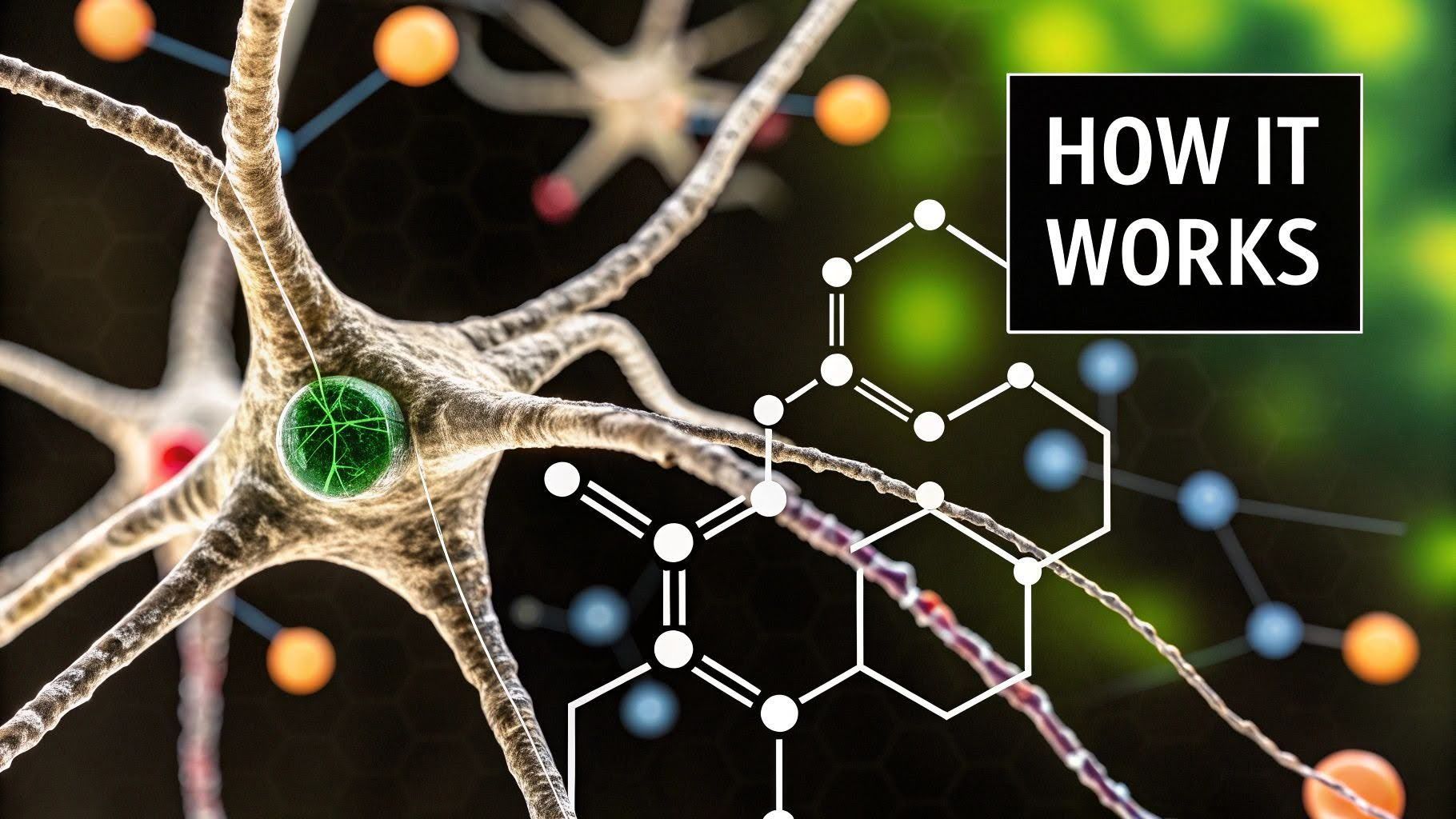
To really get why combining Wellbutrin and THC is something to approach with care, we need to pop the hood and look at how each one works in the brain. Think of your brain chemistry as a complex orchestra, with different sections working together to control your mood, focus, and feelings. Wellbutrin and THC are like two very different conductors, each leading their own part of the performance.
Wellbutrin’s job is to zero in on two specific chemical messengers: dopamine and norepinephrine. These are the heavy hitters for motivation, focus, and keeping your mood stable. By blocking them from getting cleared away too quickly, Wellbutrin keeps more of them active, which is how it helps lift the fog of depression and sharpen concentration for many people.
Medical marijuana, on the other hand, takes a completely different route. It works through the endocannabinoid system (ECS). The main active compound, THC, interacts with this system, which acts like a master regulator for tons of bodily functions.
The Two Different Pathways Explained
Imagine your brain has two separate communication systems. Wellbutrin uses the neurotransmitter system, which is like a direct telephone line for sending specific messages about alertness and mood. THC uses the endocannabinoid system, which is more like a cellular Wi-Fi network that helps keep things balanced across the board.
- Wellbutrin’s Mechanism: It fine-tunes dopamine and norepinephrine levels, like a sound engineer adjusting specific frequencies to correct imbalances that cause depression. It’s a very targeted action.
- THC’s Mechanism: It influences the endocannabinoid system, which has a hand in everything from pain and appetite to sleep and emotions. Its effects are much broader and more widespread.
Because they operate on these distinct "circuits," they don’t directly interfere with each other in a simple way. But the effects they create can absolutely overlap and influence one another, creating a combined experience that’s often unpredictable. This is a huge reason why having guidance from a healthcare provider is so critical for Mississippi patients.
While Wellbutrin and THC work on different wiring in the brain, their ultimate effects on mood, anxiety, and perception can definitely intersect. This makes it crucial to approach their combined use with awareness and caution, particularly for those with a Mississippi medical marijuana card.
How These Separate Systems Can Overlap
Even though Wellbutrin and THC take different roads, the brain is a highly connected place where one action can create ripples everywhere else. For example, dopamine is a massive player in the brain’s reward system. Both Wellbutrin (by directly boosting dopamine) and THC (by stimulating the ECS, which can then trigger dopamine release) can light up this reward pathway.
This overlap can lead to a mixed bag of outcomes. For some, there might be a sense of positive synergy, where the effects feel like they complement each other. Interest in combining Wellbutrin and marijuana has certainly grown, especially in states with established medical programs. Some patients report that marijuana enhances Wellbutrin's energizing qualities, which can be a positive side effect.
In fact, some data suggests that between 15-30% of patients on antidepressants also use marijuana to help manage their symptoms, which really highlights the need for more clarity. You can get a better handle on this by exploring the connection between Wellbutrin and marijuana to understand the full picture.
This potential for positive feelings is exactly why personal biology is so important. A combination that feels great for one person might cause anxiety and discomfort in another, which is why a one-size-fits-all approach just doesn't work here. As a Mississippi resident with a medical card, understanding this complexity is your first step toward using these tools safely and effectively.
Navigating The Potential Risks and Side Effects
While medical marijuana offers significant benefits for many people, your safety always comes first. Understanding the potential risks of combining Wellbutrin and THC is a critical step in making responsible health choices. This isn’t about creating fear—it’s about giving you the knowledge to recognize warning signs and protect your well-being.
The interaction between Wellbutrin and THC isn't a simple one-plus-one equation. Each substance affects your brain chemistry in its own way, so when they're combined, the effects can be unpredictable and vary wildly from person to person. Things like your individual health, medication dosage, and the potency of the marijuana all play a major role.
The Primary Concern: Increased Seizure Risk
The most serious risk to be aware of is the potential for an increased likelihood of seizures. This is a well-documented concern that needs to be taken seriously. Wellbutrin itself carries a known, though small, dose-dependent risk of seizures. Introducing THC into the mix can potentially lower the body's seizure threshold even further.
Think of your brain's seizure threshold as a safety barrier. For some people, Wellbutrin can slightly lower this barrier. THC can also influence it. When they're combined, the effect could be compounded, making a seizure more likely than if you were using either one alone. This is an especially important conversation to have with a healthcare professional if you have a history of seizures or other neurological conditions.
The image below gives a good visual of how prescribed medications and marijuana can interact.
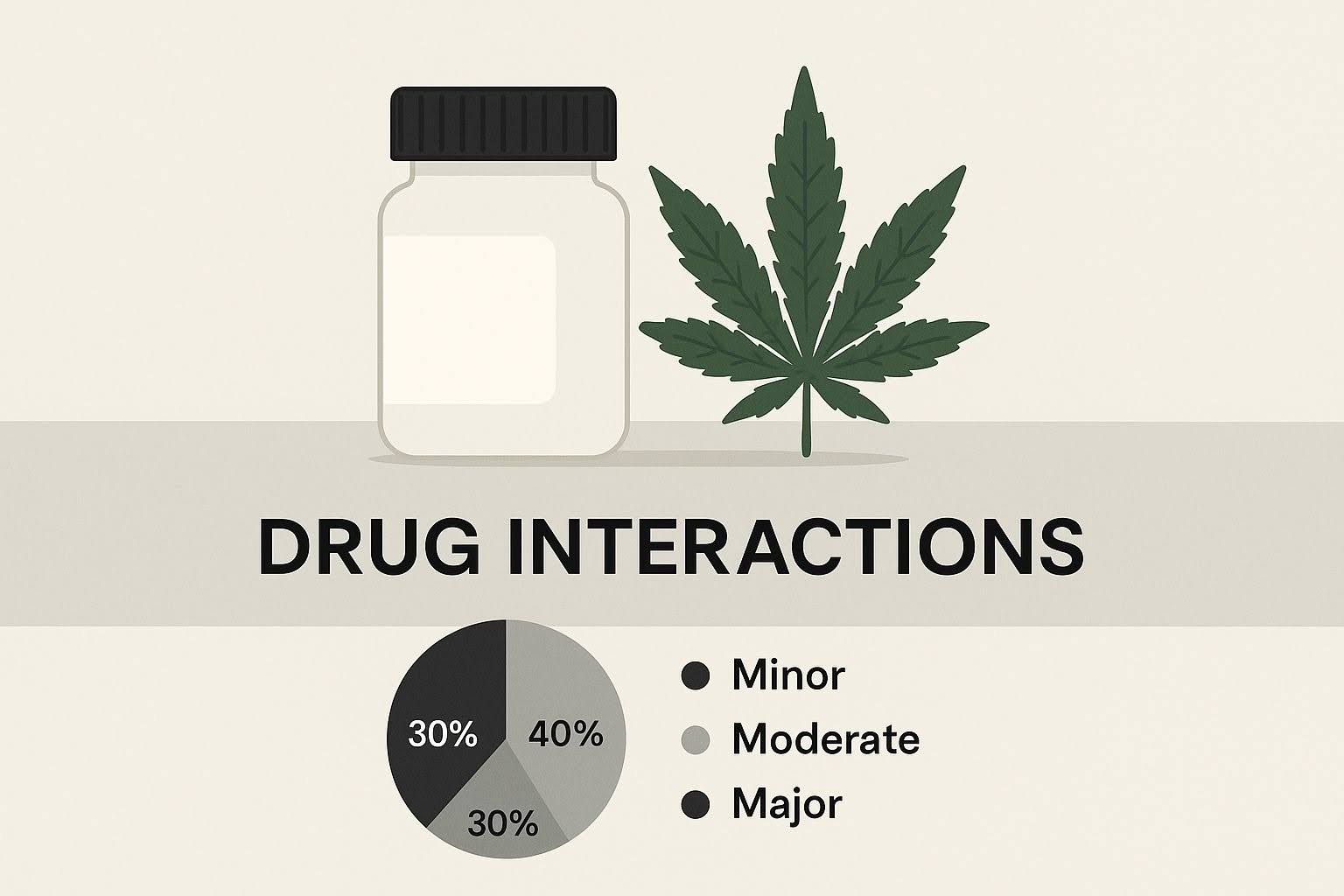
This just underscores that when two substances act on the brain, their effects can overlap in unexpected ways, which is why caution is so important.
Other Potential Adverse Effects To Monitor
Beyond the risk of seizures, combining Wellbutrin and THC can sometimes lead to other uncomfortable or distressing side effects. It’s important to pay close attention to how you feel, both physically and mentally, if you are using both under a professional's supervision.
Some of the potential adverse effects include:
- Heightened Anxiety or Paranoia: While many use medical marijuana to ease anxiety, combining it with Wellbutrin can sometimes do the opposite, leading to increased nervousness or paranoia.
- Dizziness or Lightheadedness: Both substances can cause dizziness on their own. Using them together might intensify this feeling, affecting your balance and coordination.
- Cognitive Impairment: You might notice issues with short-term memory, focus, or decision-making. These effects could be more pronounced when both are active in your system.
At standard doses, the seizure risk with Wellbutrin is estimated to be between 0.1% and 0.4%. However, this risk can increase when combined with marijuana, which alters brain chemistry through the endocannabinoid system. This mix can also worsen mental health symptoms, potentially triggering panic attacks, severe anxiety, or even suicidal thoughts—making it a serious concern.
It's essential to remember that everyone's body is different. Your unique physiology, metabolism, and mental health baseline will determine how you react. What works for one person could be problematic for another.
For those exploring medical marijuana for conditions like PTSD, understanding these interactions is even more vital. Managing mental health requires a careful, considered approach. Adding new substances to a treatment plan must be done with full awareness of the potential outcomes. You can learn more about how medical cannabis can help PTSD and the importance of professional guidance. An open conversation with your provider ensures your treatment plan is both safe and effective for your specific needs.
The Therapeutic Benefits of Medical Marijuana in Mississippi

While it's smart to be cautious about mixing medications, we also need to talk about the incredible difference medical marijuana is making for registered patients right here in Mississippi. When used legally and under professional guidance, it’s a powerful tool for people dealing with a wide range of tough conditions.
For thousands of Mississippians, getting a medical marijuana card has nothing to do with recreation. It’s about getting their life back.
The state’s program creates a safe, regulated path for patients to access real treatment options. This system ensures every product is tested for safety and consistency, giving patients the peace of mind they deserve. This is where the conversation turns from potential drug interactions to the real-world success stories happening every day.
Finding Relief for Qualifying Conditions
In Mississippi, the list of qualifying conditions for a medical card covers illnesses that can turn daily life into a struggle. For these folks, the positive side effects of medical marijuana are real, tangible, and often life-changing. Let’s look at how it helps.
One of the biggest wins is in managing chronic pain. Conditions like neuropathy, severe arthritis, and fibromyalgia are relentless, but medical marijuana can offer a much-needed break by working with the body’s pain-signaling pathways. Many patients report a major drop in their pain levels, allowing them to get back to the activities they love. You can dive deeper into the science behind this in our guide on how medical marijuana helps chronic pain in Mississippi.
Medical marijuana is also incredibly effective for stopping nausea and sparking appetite. This is a game-changer for patients going through chemotherapy or dealing with conditions that cause severe weight loss. Being able to eat and maintain a healthy weight is fundamental to recovery and strength.
For many patients in Mississippi, medical marijuana is more than just a plant; it's a lifeline. It represents a return to comfort, an ability to manage symptoms, and a chance to live a more functional, fulfilling life within a legal and safe framework.
Improving Mental and Emotional Well-Being
Beyond the physical, medical marijuana offers serious benefits for mental health conditions approved under Mississippi’s program. For those struggling with Post-Traumatic Stress Disorder (PTSD), it can be a vital part of their management plan.
Patients with PTSD often find that medical marijuana helps to:
- Reduce the frequency and intensity of nightmares, finally allowing for restful sleep.
- Lessen hypervigilance and anxiety, which makes navigating daily social situations much easier.
- Provide a sense of calm, helping to manage the intrusive thoughts and memories that come with trauma.
By working within Mississippi’s medical program, patients can access these positive side effects legally and safely. Having a medical card means they are protected by state law and are buying high-quality, regulated products from licensed dispensaries. This framework is absolutely essential for anyone considering the use of Wellbutrin and THC, because it guarantees a baseline of safety and product knowledge that’s impossible to find on the black market. For many in our state, this program is the key to unlocking a better quality of life.
How to Discuss Medical Marijuana With Your Provider
Having an open, honest conversation with a healthcare provider is the single most important thing you can do for your safety when thinking about medical marijuana and Wellbutrin. A provider is your partner in health, and they can only give you the best, most personalized care when they have the full picture.
Many patients in Mississippi feel hesitant to bring up medical marijuana. Remember, a provider’s only goal is to keep you safe and healthy. They need to know everything you’re taking—including marijuana—to make informed decisions and spot potential risks before they become problems.
Preparing for Your Appointment
Walking into your appointment prepared makes a world of difference. It shows you’re taking your health seriously and helps turn a quick mention into a productive, meaningful discussion.
Before your visit, spend a few minutes jotting down some notes on these key points:
- Your Symptoms: Be specific. Instead of just saying you have "pain," describe it. Is it a sharp, shooting pain in your lower back? A dull, constant ache in your joints? What makes it better or worse?
- Why You Are Considering Marijuana: What do you hope it will accomplish? Are you looking for relief from chronic pain, better sleep, or help managing another one of Mississippi's qualifying conditions?
- Your Current Medication Experience: How is Wellbutrin working for you? Note any side effects you’re dealing with or the benefits you've noticed. This context is crucial.
Having this information ready gives your provider a clear starting point for a real conversation about whether combining Wellbutrin and THC is a responsible option for you.
What to Share During the Conversation
Once you’re in the room with your provider, the best approach is to be direct and honest. There’s no need to feel shy—this is a medical discussion focused entirely on your well-being. Share the notes you prepared and be ready to talk about your lifestyle and health history.
A provider is a medical professional bound by confidentiality. Their primary concern is your health, not judgment. Openly discussing your interest in medical marijuana helps them protect you from harm and guide you toward the safest choices.
It's also helpful to know that the official medical data here is still catching up. For instance, some clinical databases report no formally documented interactions between marijuana and Wellbutrin. But a lack of evidence isn't proof of safety; it just highlights that there isn't enough formal research yet. This creates a challenge for physicians, who have to balance patient experiences with what we know about pharmacology. You can see some of the available information on the current interaction data on Drugs.com.
Key Questions to Ask Your Provider
A good conversation goes both ways. Asking thoughtful questions empowers you to understand your own treatment and make smart decisions. It shows you’re an active participant in your healthcare.
Here are a few essential questions to bring to your appointment:
- Based on my personal health history, what are the biggest risks I should be aware of if I use medical marijuana with Wellbutrin?
- Are there any specific symptoms I should watch for that might signal a negative interaction?
- How could THC potentially change the way Wellbutrin works for my depression or other condition?
- If you think it’s an option, what type of medical marijuana product or dosage would be the safest place for me to start?
- How should we monitor my progress and any potential side effects going forward?
Asking these questions helps turn a simple inquiry into a collaborative plan, making sure your path forward is built on safety and a clear understanding.
Your Step-By-Step Guide to a Mississippi Medical Card
If you're a Mississippi resident looking into the benefits of medical marijuana—especially while managing other prescriptions like Wellbutrin—getting your medical card is the first, most important step. Think of this card as your key to legally accessing safe, lab-tested products from a state-regulated dispensary.
The whole process is actually quite straightforward once you know the path. It all starts with one question: Do you have a condition that qualifies?
Confirming Your Qualifying Condition
Your journey begins by making sure your medical condition is on the state's approved list. The Mississippi Medical Cannabis Act is very specific about which debilitating conditions make a resident eligible for the program.
Some of the most common qualifying conditions include:
- Cancer
- Chronic pain
- Post-traumatic stress disorder (PTSD)
- Epilepsy or other seizure disorders
- Crohn's disease
- Muscular dystrophy
- Huntington's disease
- Glaucoma
This isn't the full list, of course. But having a confirmed diagnosis for one of these, or another specified condition, is the foundation you need before taking the next step.
A Mississippi medical card provides more than just access; it offers crucial legal protection. It ensures that your use of medical marijuana is recognized and respected under state law, giving you the confidence to focus on your health.
The Certification and Registration Process
Once you've confirmed you have a qualifying condition, it's time to get a certification from a qualified medical practitioner. This is basically a consultation where you'll go over your medical history, your symptoms, and how marijuana might fit into your wellness plan.
This appointment is the perfect opportunity to be completely open about all your current medications. Talking through the combination of Wellbutrin and THC with a professional is essential for creating a safe and effective treatment plan.
After the practitioner provides your certification, the final piece of the puzzle is registering with the Mississippi State Department of Health. You'll do this online, submitting your certification and any other required paperwork.
Once approved, you'll receive your official medical marijuana card, allowing you to purchase products from any licensed dispensary in Mississippi. The process empowers you by providing a clear path to regulated, consistent therapeutic options. The benefits are clear: legal safety, product purity, and a structured path to wellness.
Your Questions, Answered
When you're trying to manage your health, mixing prescription medications with medical marijuana can feel like navigating uncharted territory. For folks here in Mississippi, getting straight answers is the only way to make smart, safe decisions. Let's tackle some of the most common questions we hear about combining Wellbutrin and THC.
Is It Safe to Use THC While Taking Wellbutrin?
This is the big one, and there’s no simple “yes” or “no” answer because everyone’s body chemistry is different. The most significant concern is that combining them can increase certain risks, especially the risk of seizures.
Because of this, it is absolutely essential to speak with the healthcare provider who prescribed your Wellbutrin before you even consider using medical marijuana. They are the only ones who can look at your complete health picture, weigh the potential benefits against the risks, and give you personalized advice. Your safety has to come first, always.
Can I Get a Medical Marijuana Card in Mississippi if I Take Antidepressants?
Yes, you absolutely can. Taking an antidepressant like Wellbutrin doesn’t automatically disqualify you from getting a Mississippi medical marijuana card.
Your eligibility for the program hinges on whether you have a specific qualifying medical condition as defined by state law. It's not based on the other medications you might be taking. The crucial part, however, is being completely open with your certifying practitioner about all your medications, including Wellbutrin. This transparency is key to building a safe and effective treatment plan.
Your health journey is a partnership between you and your healthcare team. Full disclosure about all substances you use—both prescription and marijuana—is the bedrock of safe, effective care.
What Should I Do if I Experience Negative Side Effects?
If you notice any adverse effects after combining Wellbutrin and THC—like a spike in anxiety, dizziness, paranoia, or anything else that feels off—your first move is simple: stop using medical marijuana immediately.
Next, get in touch with your healthcare provider and let them know what's happening. If you experience a severe reaction like chest pain, extreme confusion, or any signs that could point to a seizure, don't wait. Seek emergency medical help right away.
At Pause Pain and Wellness, our local Mississippi healthcare providers are here to guide you with expert, compassionate care. If you're ready to see how a medical marijuana card might fit into your overall wellness plan, we'd be honored to help.
You can learn more and schedule a consultation by visiting us at
https://pausethepain.com.