Pain Management Without Opioids: Safe & Effective Options in Mississippi
When you're living with pain, finding relief without relying on opioids can feel like a maze. But for a growing number of people in Mississippi, exploring alternatives like medical marijuana, physical therapy, and even mind-body techniques isn't just a backup plan—it's the first choice for building a safer, more sustainable quality of life.
The Urgent Need for Safer Pain Relief in Mississippi
The opioid crisis hit communities hard across the country, and Mississippi was no exception. It left a painful gap, creating a very real and urgent need for better, safer ways to manage both chronic and short-term pain. Many residents are now looking past the prescription pad for solutions that bring relief without the heavy risks of long-term opioid use.
If you're one of them, you're not just looking for a new treatment; you're part of a shift toward smarter, more sustainable healthcare. This guide is built to walk Mississippians like you through the options available right here, right now. It's a roadmap to show that a life with less pain is possible through modern, whole-person approaches.
It's Bigger Than Just Mississippi
The struggle for effective pain relief isn't just happening here—it's a global issue. The World Health Organization (WHO) points out a staggering imbalance: the wealthiest 10% of countries have access to 90% of the world's morphine-equivalent opioids. This leaves millions in lower-income nations without adequate pain management.
This global gap highlights why non-opioid options are so critical. They become essential lifelines where traditional options are either unavailable or simply not the right fit for long-term health. You can learn more about these global pain relief disparities directly from the WHO's findings.
A New Path Forward for Mississippians
For people in Mississippi, moving away from a total reliance on opioids opens up a more personalized and empowering way to manage health. The focus is shifting from just masking symptoms to treating the whole person.
Here are some of the key non-opioid strategies making a real difference in Mississippi:
- Medical Marijuana: Now a state-approved option in Mississippi, medical marijuana offers a new tool for managing chronic pain. Its compounds work with the body's systems to reduce pain and inflammation. Many patients also find it helps with related issues like poor sleep and muscle spasms.
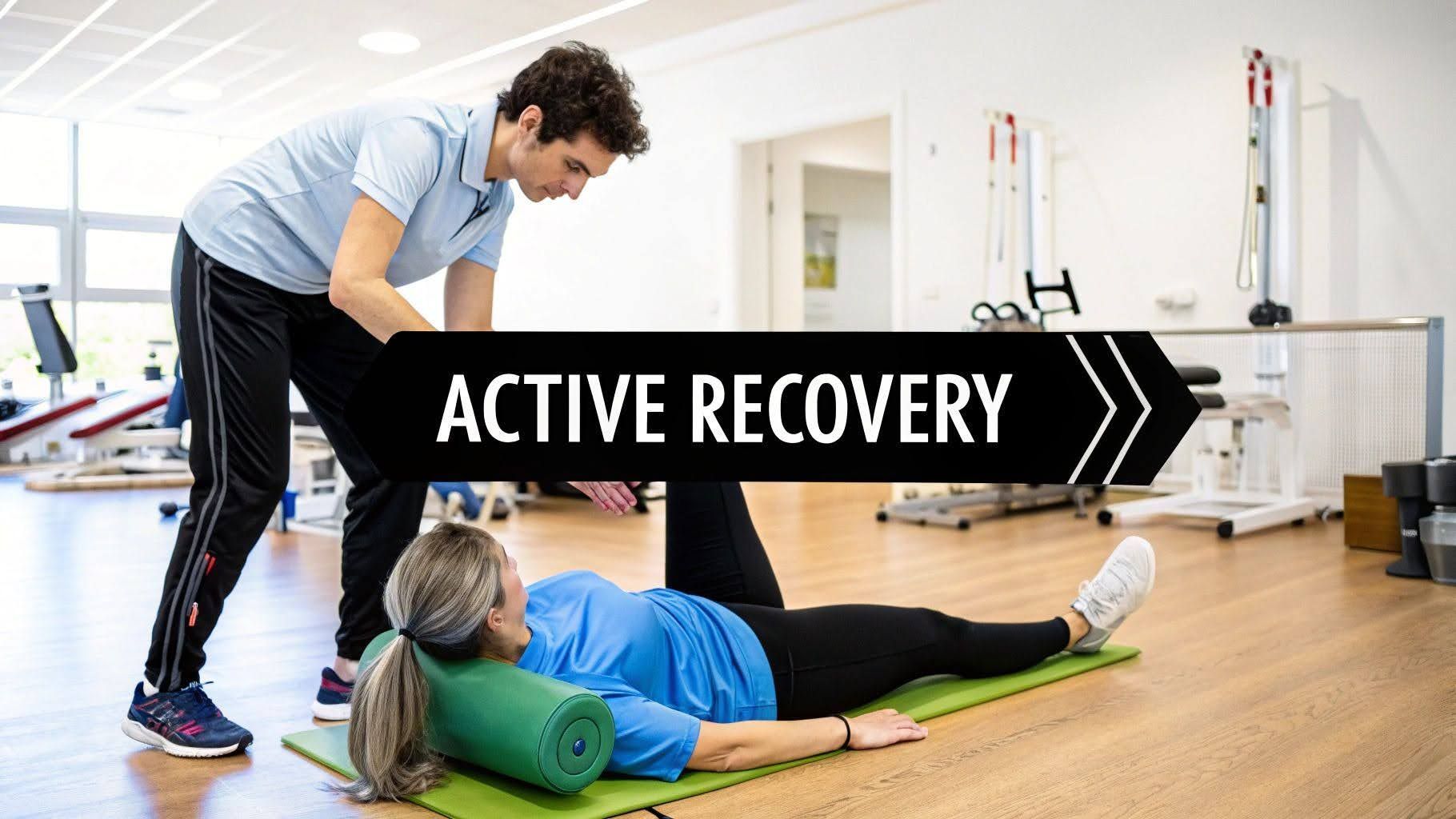
- Physical and Rehabilitative Therapies: Treatments like physical therapy and chiropractic care get to the root of the problem by addressing the body's mechanics. By restoring function, correcting alignment, and building strength, they offer relief that lasts.
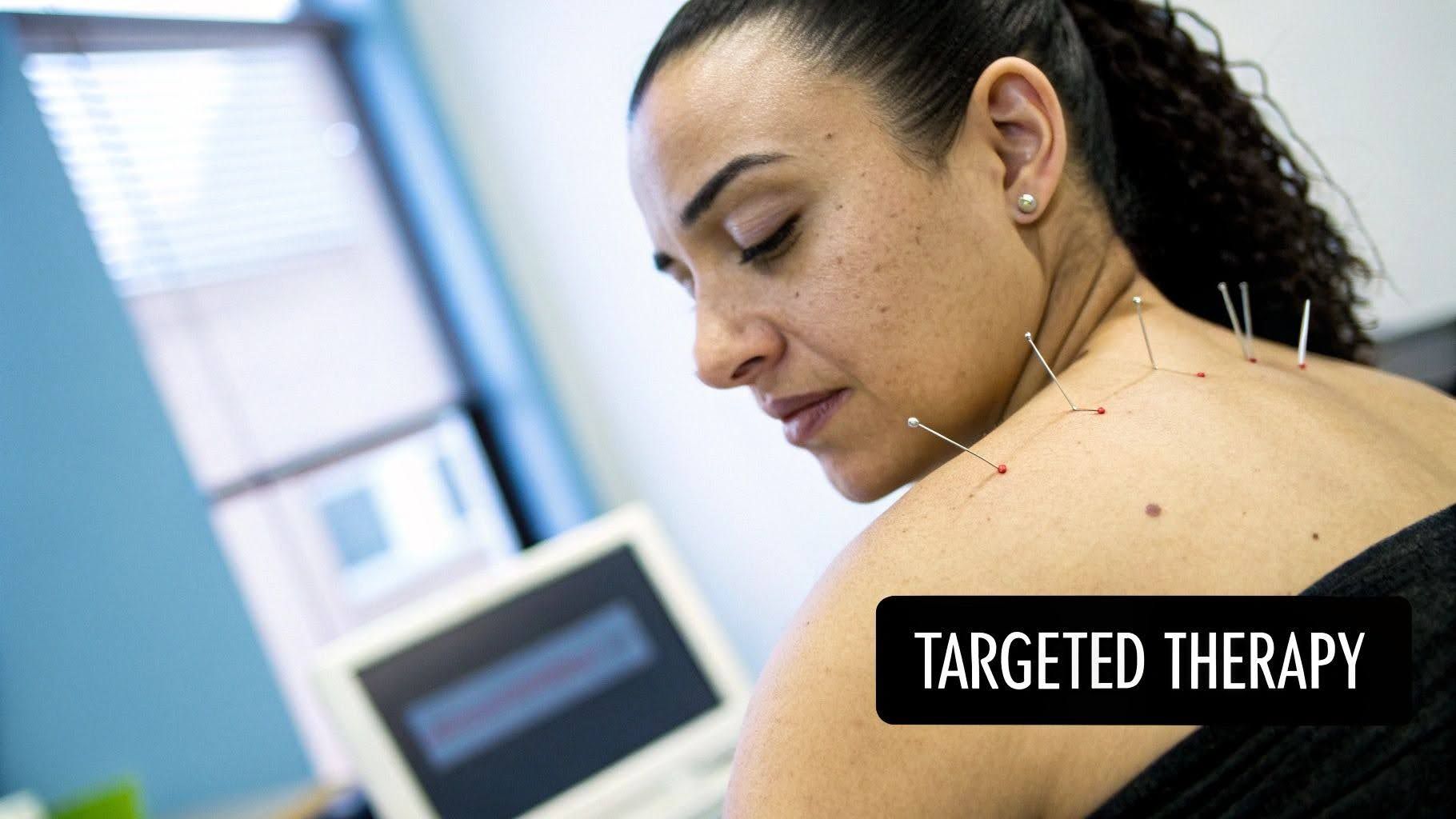
- Mind-Body Techniques: Practices like mindfulness, biofeedback, and acupuncture are about retraining your brain and body. They give you the power to change how you process pain signals, reducing their intensity and how much they impact your day-to-day life.
By exploring these alternatives, you can take back control of your wellness journey. The goal is to create a strong, multi-layered plan that leads to lasting comfort and better function—all without the shadow of opioid dependency.
How Medical Marijuana Provides Pain Relief
As a state-approved therapeutic option here in Mississippi, medical marijuana offers a new path for people looking for effective pain management without opioids. Its approach is fundamentally different from traditional painkillers. Instead of just blocking pain signals, it works with your body's own internal regulatory network to help restore balance and ease discomfort.
The key lies in something called the endocannabinoid system (ECS). Think of the ECS as a complex communication network running throughout your entire body. It has tiny receptors, like docking stations, in your brain, immune cells, and nervous system that help regulate critical functions like pain, mood, sleep, and immune responses.
Medical marijuana contains active compounds—most notably THC and CBD—that can interact with these receptors. They fit into the system's locks like a key, helping to modulate its activity. This interaction can turn down the volume on pain signals being sent to the brain and help reduce inflammation, a common root cause of chronic pain.
The Positive Side Effects Beyond Pain Reduction
For many people in Mississippi, the benefits of medical marijuana go far beyond just dulling pain. They find that it also addresses the secondary symptoms that make living with a chronic condition so difficult. These positive side effects are a huge part of its appeal.
Some of the most commonly reported benefits include:
- Improved Sleep Quality: Chronic pain and sleep have a terrible relationship; one almost always makes the other worse. Medical marijuana can promote relaxation and help people get the deeper, more restorative rest they need.
- Reduced Muscle Spasms: For conditions involving muscle spasticity, certain compounds in marijuana can help relax tense, painful muscles, providing significant physical relief.
- Alleviation of Nausea: Pain itself can sometimes lead to nausea. Medical marijuana is well-known for its ability to quell that feeling and improve appetite.
These layered benefits create a more complete sense of well-being. By tackling related issues, medical marijuana helps improve a person's overall quality of life, not just their pain score. For example, conditions like fibromyalgia involve widespread pain, fatigue, and sleep problems, making this multi-faceted approach especially helpful. You can learn more about how it may help these complex symptoms in our guide on medical marijuana for fibromyalgia.
Navigating Mississippi's Medical Marijuana Program
For residents of Mississippi, getting medical marijuana for pain relief is a regulated process designed for safety and proper medical oversight. You can't just walk into a store and buy it. It requires a certification from a qualified practitioner and registration with the state.
The journey to participating in Mississippi's medical marijuana program involves specific, state-mandated steps.
The Mississippi Medical Cannabis Program is managed by the Mississippi State Department of Health, which sets all the rules for patients, caregivers, and practitioners. Following these guidelines is essential for legal access.
This system ensures that only individuals with legitimate, state-recognized medical needs can participate. It's built on medical necessity, not recreational use.
The Step-by-Step Process for Mississippi Residents
Navigating the system might seem complicated at first, but it follows a clear, logical sequence. Here is a simple breakdown of the steps Mississippians must take.
- Confirm Your Qualifying Condition: The first thing you need to do is see if you have one of the "debilitating medical conditions" listed by the state. This list is very specific and includes conditions like cancer, Parkinson's disease, multiple sclerosis, and of course, chronic pain.
- Consult with a Certified Practitioner: You must have an in-person consultation with a medical doctor (MD), doctor of osteopathic medicine (DO), physician assistant, or certified nurse practitioner who is registered with the Mississippi Medical Cannabis Program. They will assess your condition and determine if medical marijuana is a suitable option for you.
- Receive Your Medical Certification: If the practitioner agrees that you qualify, they will issue you a medical certification. This is the official document that confirms your eligibility for the program.
- Apply Through the State Portal: With your certification in hand, you can then apply through the Mississippi State Department of Health's online portal. The application requires your certification, proof of residency, and a fee.
Once your application is approved, you'll receive your electronic identification. This allows you to legally purchase medical marijuana from licensed dispensaries in Mississippi, giving you a safe and legal framework for pain management without opioids.
Tackling the Root Cause of Pain with Physical Therapies

While some treatments are designed to simply mask pain signals, physical therapies go a step further. Their goal is to fix the underlying mechanical issues in your body that are causing the pain in the first place.
Think of it this way: if your car's alignment is off and causing a shaky ride, you wouldn't just turn up the radio to drown out the noise. You'd get the alignment fixed. Physical therapies apply that same logic to the human body.
For many Mississippians, these hands-on, rehabilitative treatments are a cornerstone of effective pain management without opioids. By addressing the source of the problem, they create a path not just to temporary relief, but to lasting strength and function.
Physical Therapy: Building a Stronger Foundation
Physical therapy (PT) is often one of the first and most effective defenses against musculoskeletal pain. A licensed physical therapist in Mississippi will start by evaluating how your body moves, pinpointing specific areas of weakness, stiffness, or improper movement patterns that are contributing to your discomfort.
Their goal is to craft a personalized program to restore your body's proper function. This isn't about just doing random exercises; it's a targeted strategy to rebuild your natural support system.
- Building Strength: Your therapist guides you through specific exercises to strengthen the muscles around a painful joint or injured area. Stronger muscles provide better support, which takes the strain off of vulnerable structures.
- Improving Flexibility: Gentle stretching and mobility work help release tension in tight muscles and tissues. Better flexibility means a greater range of motion and less stiffness.
- Correcting Movement Patterns: You might be moving in ways that unknowingly put stress on your body. PT helps you unlearn these harmful habits and adopt new, healthier patterns for everyday life.
By focusing on these core elements, physical therapy empowers your body to heal itself and become far more resilient against future injury.
Chiropractic Care: Restoring Natural Alignment
Chiropractic care is built on the principle that the body's structure—especially the spine—has a direct impact on its overall function. When your spine is out of alignment, it can put pressure on the nerves that branch out to every part of your body, leading to pain, numbness, or weakness.
Chiropractors use gentle, hands-on adjustments to correct these misalignments, often called subluxations. The main goal is to relieve pressure on the nervous system and allow your body to function at its best.
A properly aligned spine is like a well-maintained highway. When all the lanes are clear, traffic (nerve signals) can flow smoothly without interruption. A chiropractic adjustment helps clear the blockages, restoring that smooth flow and reducing pain signals.
Many people across Mississippi seek out chiropractic care for conditions like back pain, neck pain, and chronic headaches. By getting to the source of the problem, this therapy offers a powerful, drug-free way to manage discomfort.
Occupational Therapy: Adapting Your Daily Life
Chronic pain doesn't just show up during exercise; it can flare up while you're doing simple daily tasks like cooking, working at a desk, or gardening. This is where occupational therapy (OT) shines. An occupational therapist's job is to help you adapt your environment and daily activities to prevent pain.
Instead of just treating the pain itself, OT gives you practical, real-world strategies to live better with your condition.
- Task Modification: An OT can teach you a new, safer way to lift heavy objects or adjust how you sit at your computer to reduce strain on your back and neck.
- Assistive Devices: They can also recommend tools and equipment designed to make difficult tasks easier and far less painful.
- Energy Conservation: You'll learn techniques to manage your energy levels throughout the day, helping you avoid the boom-and-bust cycle that so often makes chronic pain worse.
These physical therapies often work best when used together or as part of a comprehensive pain management plan. For those exploring every available avenue, understanding how medical marijuana helps chronic pain in Mississippi can provide a more complete picture of non-opioid options. By combining these different approaches, you can build a robust strategy that addresses your pain from every possible angle.
Mind-Body Techniques for Managing Your Pain Response
Pain isn't just a physical event; it's a full-body experience deeply tangled with your thoughts and emotions. This is why some of the most effective pain management without opioids works on the mind. When you learn to manage your mental reaction to pain signals, you gain a surprising amount of control over their intensity and how much they disrupt your life.
These mind-body techniques aren't about "toughing it out" or ignoring what you feel. They are practical, evidence-backed methods that train your brain to respond differently to pain. For many people here in Mississippi, developing this mental resilience is a cornerstone of a successful, non-opioid pain management strategy.
Acupuncture and Your Body's Natural Painkillers
Acupuncture might seem like an ancient art, but modern science is catching up to what practitioners have known for centuries. Now widely recognized for pain relief, it involves placing incredibly thin needles at specific points on the body, which is believed to stimulate the central nervous system.
This stimulation essentially flips a switch, telling your body to release its own powerful pain-relieving chemicals, like endorphins. Think of these as your body's built-in pharmacy, offering relief similar to opioids but without any risk of dependency. Acupuncture works with your body, not against it, to reduce pain and encourage healing.
Training Your Brain with Mindfulness and Biofeedback
Just like a muscle, your brain can be trained. Two of the most powerful tools for this are mindfulness and biofeedback. Both help you tune into your body's signals and learn how to influence them directly.
- Mindfulness Meditation teaches you to observe your thoughts and physical sensations—including pain—without judgment. Instead of getting swept away by the panic or frustration of a pain flare-up, you learn to simply acknowledge it. This simple act of observation can strip the pain of its power over you.
- Biofeedback uses electronic sensors to give you a real-time look at what your body is doing, like displaying your heart rate or muscle tension on a screen. By seeing this data, you can learn to consciously control these automatic functions, intentionally relaxing tense muscles and calming the stress response that makes pain worse.
This infographic gives a great side-by-side look at how different non-prescription options compare.
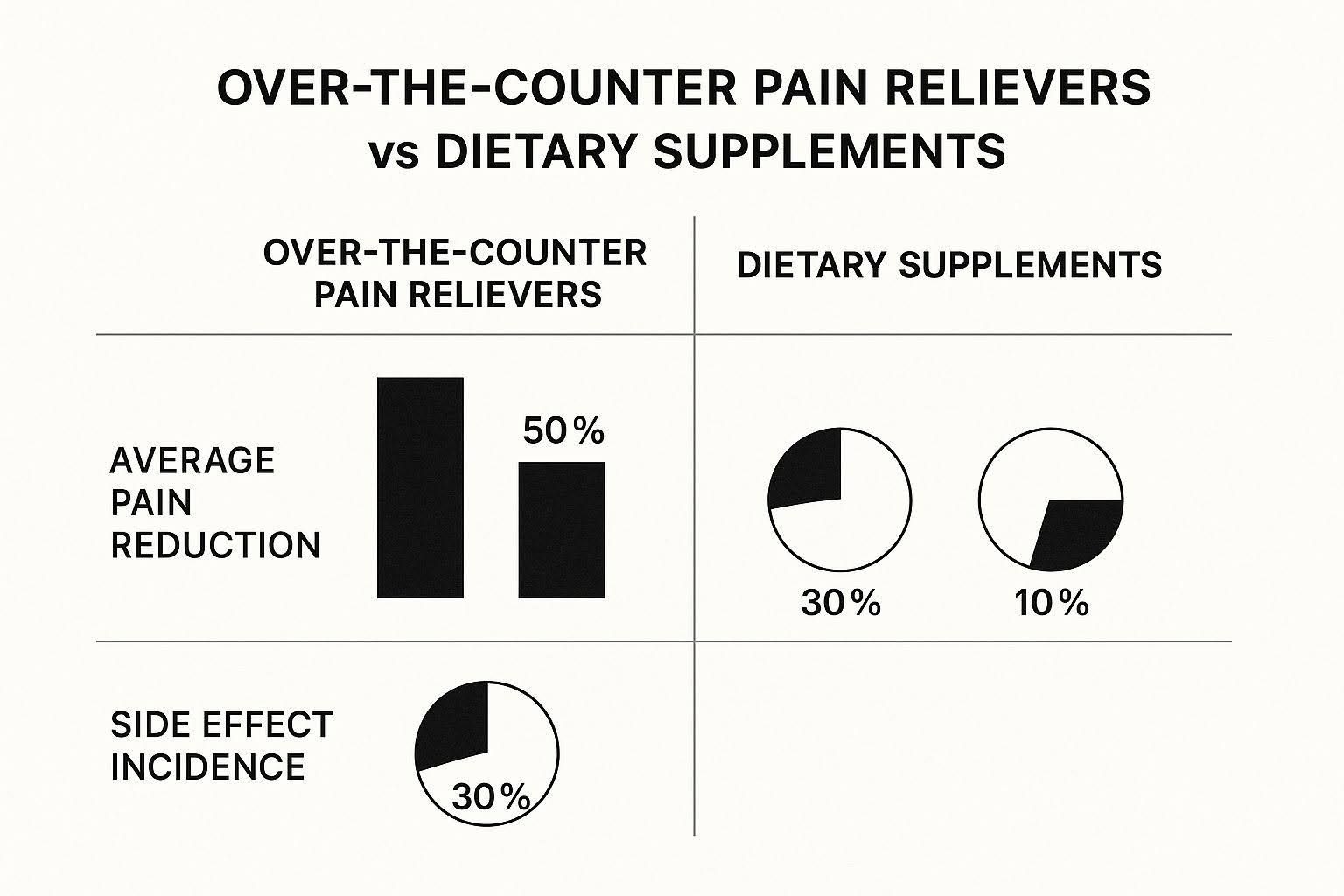
As you can see, while over-the-counter options have their place, other approaches can deliver significant benefits with fewer side effects, reinforcing why a well-rounded plan is so important.
With so many strategies available, it can be helpful to see them compared directly. This table breaks down the core focus and ideal use for each approach, making it easier to see what might fit your specific needs.
Comparing Non-Opioid Pain Management Approaches
| Therapy Type | Primary Mechanism | Best Suited For |
|---|---|---|
| Medical Marijuana | Interacts with the body's endocannabinoid system to reduce pain signaling and inflammation. | Neuropathic pain, chronic inflammation (like arthritis), and cancer-related symptoms. |
| Physical Therapy (PT) | Strengthens muscles, improves flexibility, and corrects movement patterns to reduce strain and support healing. | Musculoskeletal injuries, post-surgical recovery, back pain, and joint issues. |
| Acupuncture | Stimulates nerves to release the body's natural painkillers (endorphins) and improve energy flow. | Migraines, low back pain, fibromyalgia, and osteoarthritis. |
| Mindfulness & Biofeedback | Increases awareness and conscious control over physiological responses like muscle tension and heart rate. | Tension headaches, high blood pressure, and pain conditions worsened by stress. |
Each of these therapies offers a unique pathway to relief. The best results often come from combining one or more approaches into a personalized plan that addresses your pain from multiple angles.
Finding Relief Through Mindfulness
Living with chronic pain can trap you in a cycle of negative thinking. It's easy to fall into thoughts like, "This pain is never going to end," or "I can't do anything I love anymore." These aren't just discouraging—they can physically amplify your pain.
Mindfulness-based approaches give you the tools to spot and challenge these destructive thought patterns, helping you build new coping skills and fundamentally shift your perspective on what it means to live with pain.
By changing how you think about pain, mindfulness empowers you to change how you feel. It's about breaking the link between the physical sensation and the emotional suffering that so often accompanies it.
This change in mindset is a game-changer for long-term pain management. The global medical community agrees, with research from 2005 to 2024 showing a massive push toward opioid-free strategies, particularly for managing pain after surgery. This trend reflects a worldwide effort to find safer, more effective ways to help people heal. To dive deeper into the data, you can read the full research on these evolving pain management frontiers and see the science behind this global shift.
How to Build Your Personalized Pain Management Plan
True success in pain management without opioids comes from a strategy built specifically for you. A one-size-fits-all approach just doesn't work because everyone's pain story is different. The key to lasting relief isn't about finding a single magic bullet; it's about building a personalized, multimodal plan that tackles pain from multiple angles.
For Mississippians ready to start this journey, it all begins with understanding your own body, exploring your options, and having a productive conversation with a healthcare provider. It's a process of empowerment—one that puts you in the driver's seat.
Start with Symptom Tracking
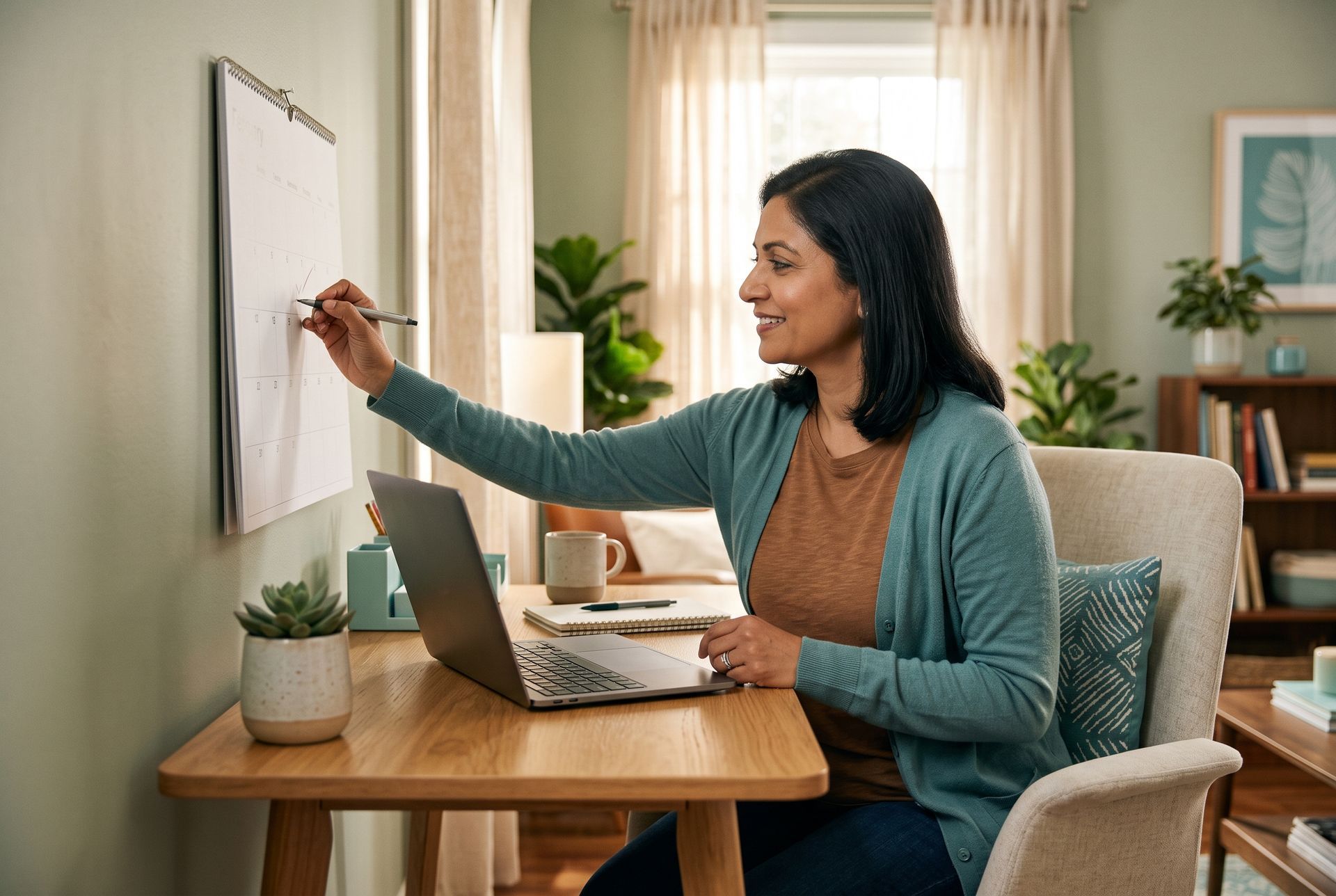
Before you can create an effective plan, you need a clear picture of what you're up against. This is where keeping a detailed symptom log becomes your most powerful tool. It's not just about jotting down when you feel pain; it's about becoming a detective in your own case.
Your notes will provide invaluable clues for both you and your healthcare provider, turning vague feelings into a clear roadmap for treatment.
- Track Pain Levels: Use a simple 1-to-10 scale to rate your pain at different times of the day.
- Note Triggers: What makes the pain worse? Is it sitting too long, certain foods, or a stressful day?
- Identify Relievers: What brings you relief? A short walk, applying a heat pack, or a specific stretch?
- Document Related Issues: Don't forget to track your sleep quality, mood, and energy levels. These are all critical pieces of the puzzle.
This record transforms your experience into actionable data, forming the very foundation of your personalized plan.
Research and Prepare for Your Visit
Armed with your symptom journal, the next step is to research the therapies available in Mississippi. Understanding your options—from medical marijuana to physical therapy—helps you walk into your appointment prepared for a real conversation. You become an active partner in your care, not just a passive patient.
Empowerment begins with knowledge. When you walk into a consultation prepared with tracked symptoms and informed questions, you set the stage for a collaborative and successful treatment plan.
The medical world is also working hard to provide better non-opioid solutions. For example, the U.S. Food and Drug Administration (FDA) recently approved a novel non-opioid option for moderate to severe acute pain. It works by targeting specific nerve channels to block pain signals without the addiction risks tied to opioids. You can read about the FDA's new non-opioid approval to learn more about this progress.
By taking control of your health journey, you can build a path toward long-term comfort and reclaim your well-being.
Common Questions About Non-Opioid Pain Relief
Exploring pain management without opioids is a big step, and it's natural to have questions. When you're looking for a new path to relief, getting clear, straightforward answers is the best way to move forward with confidence. Let's tackle some of the most common things Mississippians ask when they're ready for a change.
The goal here is to give you practical information that helps you understand your options and feel ready to take control of your wellness journey.
Which Non-Opioid Pain Management Option Is Right for Me?
There's no one-size-fits-all answer here. The best non-opioid option is deeply personal and depends entirely on your specific pain condition, your overall health history, and what you hope to achieve.
Frankly, the most effective strategies are almost always multimodal—meaning they combine several different approaches to tackle pain from all angles.
For example, someone with nerve pain might get the best results from a combination of physical therapy to restore function, medical marijuana to ease daily discomfort and get better sleep, and mindfulness techniques to handle the mental and emotional toll of their condition. The best first move is always to talk with a qualified healthcare professional right here in Mississippi who can really listen, assess your unique situation, and help you map out a personalized plan.
Think of your ideal pain management plan like a custom-built toolkit, not a single wrench. The right combination of therapies will be unique to you and deliver the most effective, lasting results.
Understanding what's actually causing your pain is the first step. To help, you can explore some common misconceptions by reading our article that busts 5 busted myths about chronic pain.
Are Non-Opioid Treatments As Effective As Opioids for Severe Pain?
This really comes down to the individual and the type of pain they're experiencing. While opioids have long been the go-to for severe, acute pain (like right after a major surgery), modern medicine is increasingly turning to a mix of non-opioid methods that can be just as effective—or even more so—with far fewer risks.
When it comes to chronic pain, non-opioid strategies are widely considered the safer and more sustainable choice for long-term relief. Approaches like physical therapy, medical marijuana, and mindfulness techniques don't just mask the pain; they address its underlying causes and its broader impact. This often leads to a much better overall quality of life than long-term opioid use can offer.
What Is the First Step to Accessing Medical Marijuana in Mississippi?
The entire process starts with one simple thing: confirming you have a qualifying medical condition as defined by the Mississippi State Department of Health. This is an absolutely critical first step because eligibility is set by state law.
From there, you'll need to have a consultation with a certified practitioner. They will evaluate your condition and, if it's appropriate for your situation, certify you for the program. Once you have that certification in hand, you can fill out an application through the state's official online portal. For the most current and detailed instructions, it's always best to check the Mississippi Medical Cannabis Program website to make sure you're following all the rules.