How to Manage Stress: Practical Tips for Better Well-Being in Mississippi
Let's be honest, truly managing stress is more than just a quick fix. It's about building real, sustainable habits that support you for the long haul—both mentally and physically.
The True Cost of Unmanaged Stress
Before we jump into the "how," it's crucial to understand the "why." Chronic stress isn't just a bad mood or feeling overwhelmed. It has tangible, serious consequences that quietly ripple through every single part of our lives, from our health at home to our performance at work.
Think about a typical week here in Mississippi. You're juggling deadlines, managing family needs, and trying to keep up with the constant hum of daily anxieties. When that pressure never lets up, it paves a direct path to burnout—a state of total exhaustion that tanks both your well-being and your productivity.
How Stress Quietly Shows Up in Daily Life
We often don't connect the dots when unmanaged stress starts to surface. It might show up as that headache that just won't quit, restless nights, or finding yourself with a surprisingly short temper with the people you care about most.
These aren't random annoyances. They're your body's warning lights, signaling that you're running on empty.
Well-meaning but unhelpful advice like "just relax" misses the point entirely because it doesn't touch the root causes. We need practical strategies that work in the real world, and that starts with getting a clear picture of the problem.
Stress is like a heavy backpack. At first, you barely notice the weight. But as more worries and responsibilities get added, that load becomes unbearable. Ignoring it doesn't make it any lighter.
The Staggering Economic and Personal Toll
The fallout from stress goes far beyond our own households, creating a massive economic burden. In the U.S. alone, job-related stress costs businesses over $300 billion annually due to things like absenteeism and plummeting productivity.
That financial strain is compounded by another $190 billion in yearly medical bills for stress-related health issues.
And the personal side of that story is just as stark. With a staggering 77% of workers reporting they experience work-related stress, the consequences of emotional exhaustion and lost motivation are everywhere. You can dig deeper into these workplace stress statistics and see the full picture for yourself.
Acknowledging these heavy costs is the first real step. When we understand what's truly at stake, we can see the incredible value in building a personal stress management plan—one that gets to the root of the problem and sets you up for better health and resilience.
Building Your Personal Stress Management Plan
Let’s be honest: vague advice like “just relax” doesn’t cut it when you’re feeling overwhelmed. Truly managing stress means building a personal toolkit of practical, sustainable strategies you can actually use in your day-to-day life here in Mississippi.
This isn't about a massive life overhaul. It's about weaving small, intentional actions into your routine to build a strong foundation for mental wellness. The goal is to get ahead of stress before it takes over.
What works in a quiet moment at home is different from what you need during a hectic workday. Think of this as assembling a collection of go-to techniques, so you always have the right tool for the job.
Ground Yourself with Mindful Moments
One of the most powerful things you can learn is how to simply pause. When you feel that familiar tension building—the tight shoulders, the racing thoughts—your brain is often kicking into its "fight-or-flight" response. Simple mindfulness can interrupt that cycle.
You don't need a quiet room or a yoga mat. You can do this right at your desk.
Try this: Inhale slowly for four counts, hold your breath for four, and then exhale slowly for six. That’s it. This one simple action helps regulate your nervous system and brings a little calm back into the moment.
The key is consistency, not intensity. A few one-minute breathing breaks scattered throughout your day are often more effective than one long session you only do once a week. You're building a reflex for relaxation.
Incorporate Movement into Your Mississippi Lifestyle
We all know physical activity is a proven stress-buster, but that doesn't mean you have to force yourself into grueling gym sessions. Here in Mississippi, we're surrounded by opportunities to move in ways that feel good, not like a chore.
Instead of scrolling through your phone on your lunch break, what about a brisk walk? Even a short stroll can clear your head and boost your mood. On the weekends, consider exploring a local spot like the Tanglefoot Trail. A walk there isn’t just exercise; it's a chance to connect with nature and disconnect from your daily pressures.
Here are a few easy ways to add more movement:
- Take the long way. Park a little further away at the grocery store or take the stairs.
- Try a "movement snack." Every hour, stand up and do a few simple stretches to release the tension from sitting.
- Explore local parks. Mississippi has beautiful outdoor spaces perfect for a relaxing walk or a light jog.
Create Space with a Digital Detox
Our phones, laptops, and tablets are a huge source of underlying stress. The constant notifications and endless stream of information keep our minds in a state of high alert, never truly letting us rest.
You have to be intentional about stepping away.
Start small by setting clear boundaries. Maybe you make the first hour of your morning a screen-free zone, or perhaps you put your phone away during meals. These small acts create pockets of peace in your day, giving your mind a chance to recharge. This isn't about ditching technology—it's about controlling its influence on your life.
Medical Marijuana for Stress Relief in Mississippi

While building a personal stress management plan is always the foundation of good health, some Mississippians might explore additional, state-regulated options when facing specific medical challenges. For those with certain qualifying conditions, medical marijuana can be a therapeutic path to managing the severe stress that often comes with a chronic illness.
This approach taps into the body's endocannabinoid system (ECS), a fascinating network of cell-signaling receptors that helps regulate everything from our mood and sleep to our stress responses. Cannabinoids found in medical marijuana interact with this system, potentially restoring balance and offering a break from the relentless symptoms of chronic health issues.
How Medical Marijuana Can Target Stress Symptoms
For patients who qualify, medical marijuana can directly address the symptoms that make chronic stress so draining. It's not about making the root cause of the stress disappear, but about better managing its impact on your mind and body.
Think about it: many qualifying conditions are tangled up with significant stress. Chronic pain can trigger constant worry, while a neurological disorder might create deep anxiety about the future. By easing these primary symptoms, medical marijuana can indirectly lower the overall stress burden. It’s why so many people are curious about using cannabis for anxiety and how it might reduce symptoms—it's a key area of focus for patients seeking relief.
Here are a few ways it may help:
- Promoting Deeper Sleep: Trouble sleeping is a classic sign of chronic stress. Certain medical marijuana products may help you fall asleep faster and get the restorative rest your body is craving.
- Easing Anxious Feelings: By interacting with the ECS, medical marijuana can help calm an overactive nervous system, potentially lessening those feelings of being constantly on edge.
- Improving Overall Mood: It may also help regulate neurotransmitters, offering a mood-stabilizing effect that can make daily challenges feel more manageable.
It's crucial to see medical marijuana not as a cure-all, but as one piece of a larger wellness puzzle. Its positive effects are often amplified when paired with other healthy habits and a supportive care plan.
Qualifying for a Medical Card in Mississippi
Access to medical marijuana in Mississippi is carefully regulated. It’s only available to residents who have been diagnosed with a specific debilitating medical condition as defined by the state.
The Mississippi State Department of Health keeps an official list of these conditions. While stress itself isn't on the list, many approved conditions are almost always accompanied by severe, chronic stress. To be eligible, you need a formal diagnosis of one of these ailments from a qualified practitioner.
To give you a clearer picture, here are some of the conditions recognized by the Mississippi Medical Cannabis Program and their potential link to stress.
Qualifying Conditions for a Mississippi Medical Marijuana Card
| Qualifying Condition | Potential Connection to Stress |
|---|---|
| Cancer | The diagnosis, treatment side effects, and uncertainty can cause extreme emotional and physical stress. |
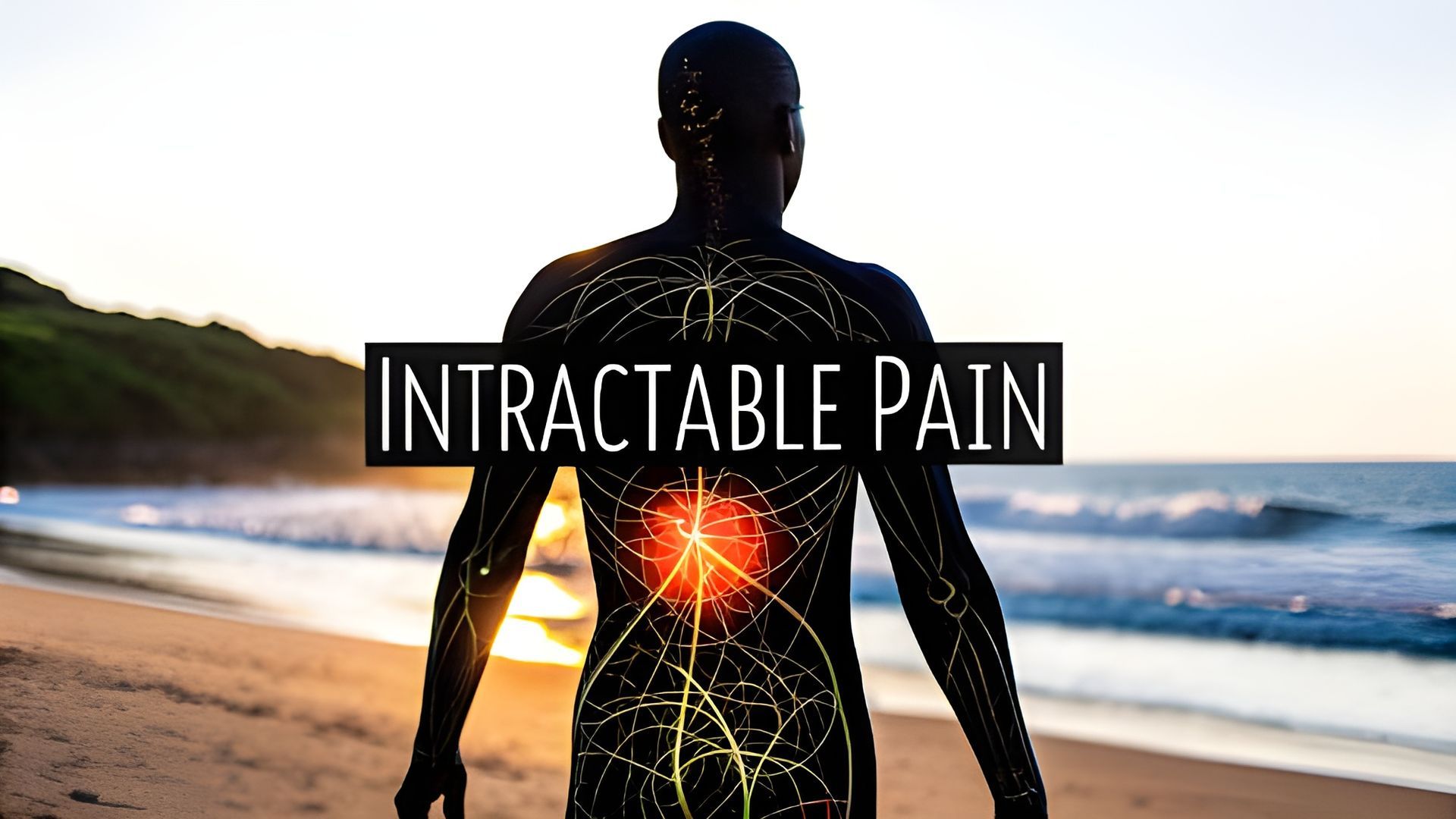
| Chronic Pain | Constant, unrelenting pain is a major physiological and psychological stressor, leading to anxiety and depression. |
| Post-Traumatic Stress Disorder (PTSD) | A condition defined by severe stress and anxiety stemming from a traumatic event. |
| Parkinson's Disease | Managing motor symptoms and the progressive nature of the disease can be a significant source of daily stress. |
| Multiple Sclerosis (MS) | The unpredictability of symptoms and the impact on mobility can lead to high levels of anxiety and stress. |
| Crohn's Disease | Dealing with painful flare-ups and dietary restrictions creates ongoing physical discomfort and emotional strain. |
This is just a snapshot, but it illustrates how the program is designed for patients whose primary medical issues are deeply intertwined with stress.
Understanding these rules is the first step. The goal of the Mississippi program is to provide safe, legal access to patients whose lives might be improved by this therapeutic option, helping them find a better quality of life as they manage their health.
Getting a Medical Marijuana Card in Mississippi
Figuring out how to get a medical marijuana card in Mississippi can feel a little overwhelming at first. But once you break it down, the process is actually quite clear. Let's walk through the official steps, from making sure you're eligible to finally submitting your application.
First things first, you have to be a Mississippi resident with a diagnosed debilitating medical condition as defined by the state. This is the non-negotiable starting point. The Mississippi State Department of Health has a specific list of qualifying conditions, and you'll need that formal diagnosis before you can move forward.
The Initial Consultation and Certification
Once you've confirmed you have a qualifying condition, your next move is to schedule a consultation with a qualified practitioner. This can be a physician, certified nurse practitioner, physician assistant, or optometrist who is licensed to practice here in Mississippi.
During this meeting, the practitioner will go over your medical history with you. Their job is to determine if medical marijuana is a sound therapeutic choice for your specific health situation.
If they agree that it's an appropriate option, they will issue a written certification. Think of this document not as a prescription, but as an official confirmation from a medical professional that you have a qualifying condition. This certification is valid for 12 months and is the key you need for the next phase.
It's important to remember this is a medically-focused process. The practitioner's role is purely to assess your health and see if you meet the state's criteria based on your specific condition.
The State Application Process
With your practitioner’s certification in hand, you're ready to apply for your medical marijuana card. You'll do this through the official Mississippi Medical Cannabis Program portal, which is run by the Mississippi State Department of Health. The entire application is handled online.
You’ll need to create an account, upload a copy of the certification from your practitioner, provide proof that you're a Mississippi resident (like a valid driver's license), and add a current photo of yourself. For a more detailed walkthrough, check out our complete guide on
how to get a Mississippi medical marijuana card.
After you submit everything, the state will review your application. Once approved, you'll receive your electronic identification card, usually within five business days. This card allows you to legally purchase medical marijuana from any licensed dispensary in Mississippi.
Integrating Wellness for Long-Term Resilience
Learning how to manage stress isn’t about finding one magic bullet. It’s about building a lifestyle that supports your mental and physical health from every angle. Lasting resilience doesn't come from a single pill or practice; it grows from the synergy of different wellness strategies working together.
For eligible patients here in Mississippi, medical marijuana can be a valuable piece of this bigger picture. But its positive effects are amplified when it's part of a broader routine—one that includes mindfulness, good nutrition, and regular movement. This complete approach creates a strong foundation for well-being that can weather life's storms.
Crafting a Supportive Weekly Routine in Mississippi
Imagine structuring your week to intentionally push back against stress. This doesn't require a massive life overhaul. It’s about small, consistent efforts that add up. A balanced routine builds a buffer against daily pressures, making you better equipped to handle whatever comes your way.
A practical week in Mississippi might look something like this:
- Mindful Mondays: Start the week by setting a calm tone. Before you even think about checking your phone, dedicate just five minutes to a simple breathing exercise. This small act can set a less reactive mood for the entire day.
- Active Wednesdays: Break up that midweek slump with a bit of movement. It could be as simple as a walk during your lunch break or a stroll around the neighborhood after dinner. The goal is to clear your head and release physical tension.
- Connected Saturdays: Use the weekend to nurture your social health. Spending quality time with family or friends is a powerful antidote to the feelings of isolation that often make stress feel so much worse.
Building long-term resilience means viewing your wellness as an interconnected system. What you eat affects your energy, your sleep impacts your mood, and your daily habits determine your ability to cope. Each element supports the others.
The Role of Medical Marijuana in a Wellness Plan
For a Mississippi resident with a qualifying medical condition, a medical marijuana card provides access to a therapeutic tool that can fit neatly into this wellness framework. It’s not meant to be a standalone solution. Instead, think of it as a component that helps manage specific symptoms, which in turn makes it easier to engage in those other healthy habits.
For example, if chronic pain is the root cause of your stress, medical marijuana may help reduce that discomfort. With that relief, you might find it more feasible to participate in some light physical activity or finally get the restorative sleep you desperately need. The goal is to use it as a support mechanism within a complete, well-rounded plan.
For those interested, there are many relaxation techniques to try when you’re anxious that can complement any wellness strategy you're building.
Workplace pressures are a huge contributor to stress these days. One global report noted a staggering 44% increase in employee stress over the last five years. In response, many organizations are moving beyond basic assistance programs to offer more robust support. You can explore more about these trends and discover insights about mental health at work on springhealth.com. This shift just highlights the growing recognition that effective stress management requires a multi-faceted approach, both at work and in our personal lives.
Common Questions About Managing Stress
Navigating stress management can bring up a lot of questions, especially for Mississippians trying to find the best path forward. We've put together some clear, straightforward answers to help you feel more confident on your wellness journey.
What Are the First Steps I Should Take to Manage Stress?
Before you even think about medical options, the most powerful moves you can make involve building a solid foundation of personal wellness. It all starts with getting honest about the primary sources of your stress. Is it work? Finances? A personal relationship? Acknowledging the root cause is the critical first step.
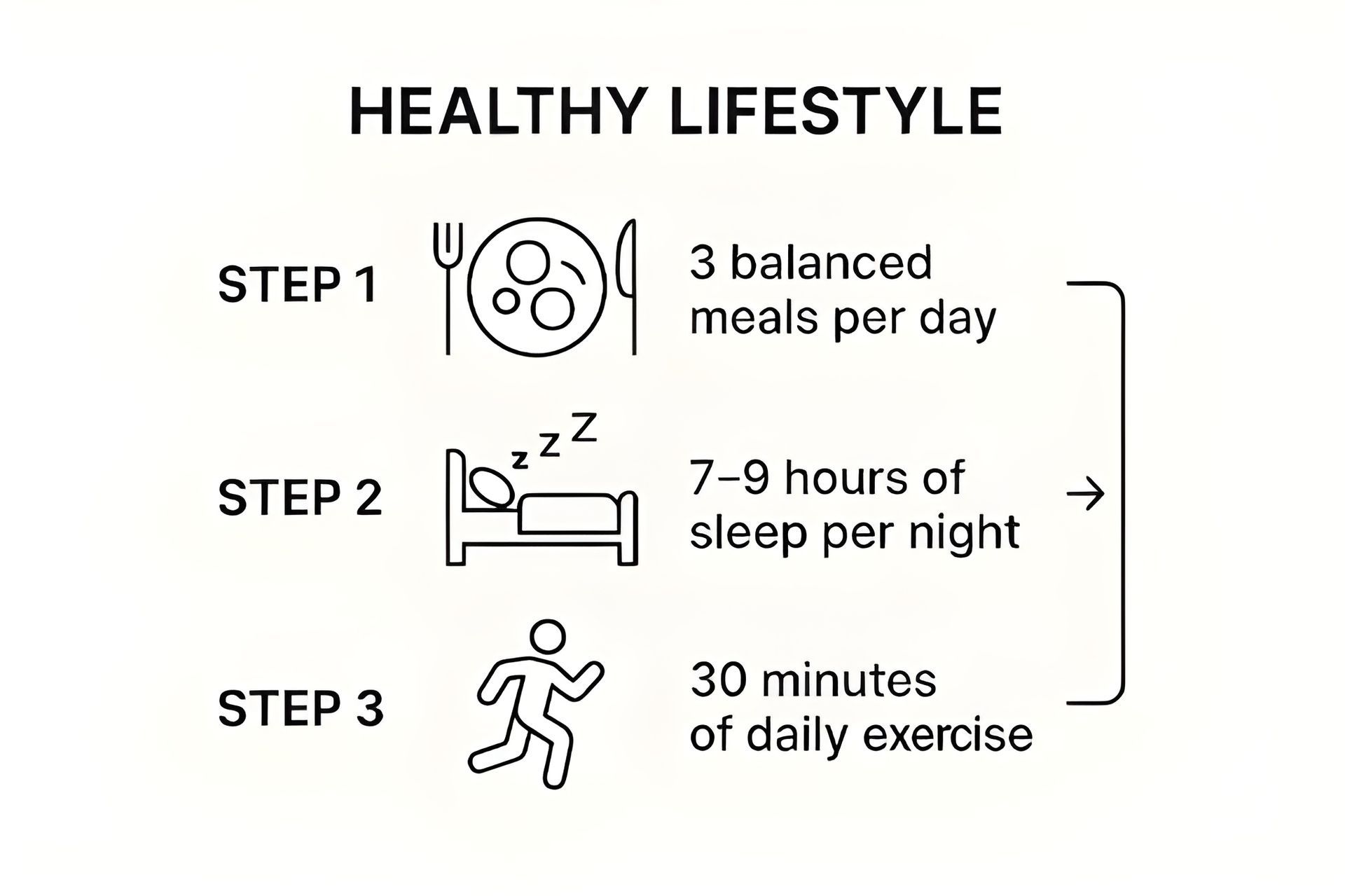
From there, it’s about small, consistent actions. Try incorporating brief mindfulness breaks into your day, making sure you get some regular physical activity, and protecting your sleep like it’s your most valuable asset. These fundamentals are what build your resilience against daily pressures.
The goal isn't to get rid of stress entirely—that's impossible. It's about building a robust toolkit that helps you respond to it in a healthier, more controlled way. This is how you start to reclaim a sense of balance.
The impact of unchecked stress is huge, and not just on a personal level. For example, in the UK, the cost of poor workplace mental health to employers is estimated at a staggering £56 billion per year. Stress-related absences now far outnumber those from physical injuries. These figures from spill.chat's findings on workplace mental health really put into perspective why effective coping strategies are no longer a luxury, but a necessity.
Is Medical Marijuana Legal for Stress in Mississippi?
This is a common point of confusion, so let's clear it up. In Mississippi, a medical marijuana card is only available to residents who have a specific debilitating medical condition as defined by state law. Generalized stress or anxiety, on their own, are not qualifying conditions.
However—and this is a big "however"—many of the approved conditions are deeply intertwined with chronic stress.
Think about it: conditions like chronic pain, PTSD, and cancer are all on the approved list for the Mississippi Medical Cannabis Program. Patients with these diagnoses almost always experience significant stress as a direct result of their health challenges. So while you can't get a card for stress alone, you might be eligible if that stress is a component of a qualifying condition. Our guide on how medical marijuana helps chronic pain in Mississippi explores this connection in more detail.
Ultimately, your eligibility is determined by your diagnosed medical condition, not stress as a standalone symptom. The only way to know for sure is to have an open conversation with a qualified healthcare practitioner about your unique health situation.
At
Pause Pain and Wellness, we provide compassionate guidance to help you find the right path for your health. If you have questions about managing your symptoms and exploring your options, we invite you to learn more at
https://pausethepain.com.