
Medically Supervised Weight Loss in Mississippi | Safe & Effective

Imagine having a weight loss plan designed by a medical expert, specifically for you. That's what medically supervised weight loss is all about—a comprehensive, physician-guided journey built to help you achieve sustainable results safely. Unlike generic, one-size-fits-all diets that so often end in frustration, this approach starts with a real understanding of your unique health profile.
What Medically Supervised Weight Loss Really Means
Think of traditional dieting as trying to navigate a complex hiking trail with a generic map you found online. You might make some progress, but you’re just as likely to hit dead ends, take wrong turns, or get so frustrated you head back to the car.
Medically supervised weight loss, on the other hand, is like having an expert local guide who knows every single twist and turn of that trail. This guide—your medical provider—creates a path just for you, considering the terrain (your body), the weather (any health conditions), and your personal pace.
It’s a structured program where every decision is informed by medical science and a deep dive into your body's specific needs. For residents across Mississippi, this means you get a plan that looks at your complete health picture, not just the number on the scale.
A Closer Look at the Process
A medically supervised program is built on several key elements that work together to make sure your success is both safe and lasting. It’s a multi-faceted strategy that gets to the root causes of weight gain, rather than just treating the symptoms.
Here’s what you can expect:
- Comprehensive Medical Evaluation: The journey always starts with a detailed assessment. A medical professional will review your medical history, discuss any medications you’re taking, and may run lab work to check for underlying issues like hormonal imbalances or metabolic conditions that could be holding you back.
- Personalized Nutrition Plans: Forget about those restrictive, miserable diets. A medical professional will help you build a nutrition strategy that actually works for your life, focusing on whole foods that fuel your body correctly without making you feel deprived.
- Structured Exercise Guidance: Your provider will recommend physical activities that are both safe and effective for your current fitness level and health status. The goal is to build strength and endurance progressively, avoiding the injuries that so often derail self-guided workout plans.
- Ongoing Support and Adjustments: Your body changes as you lose weight, and your plan should change with it. Regular check-ins with your medical team allow for continuous adjustments, keeping the program effective and helping you stay motivated for the long haul.
The Power of Professional Guidance
So, what's the real difference between going it alone and having a medical team on your side? To put it simply, the results speak for themselves. This chart clearly shows how much medical oversight can impact success rates.
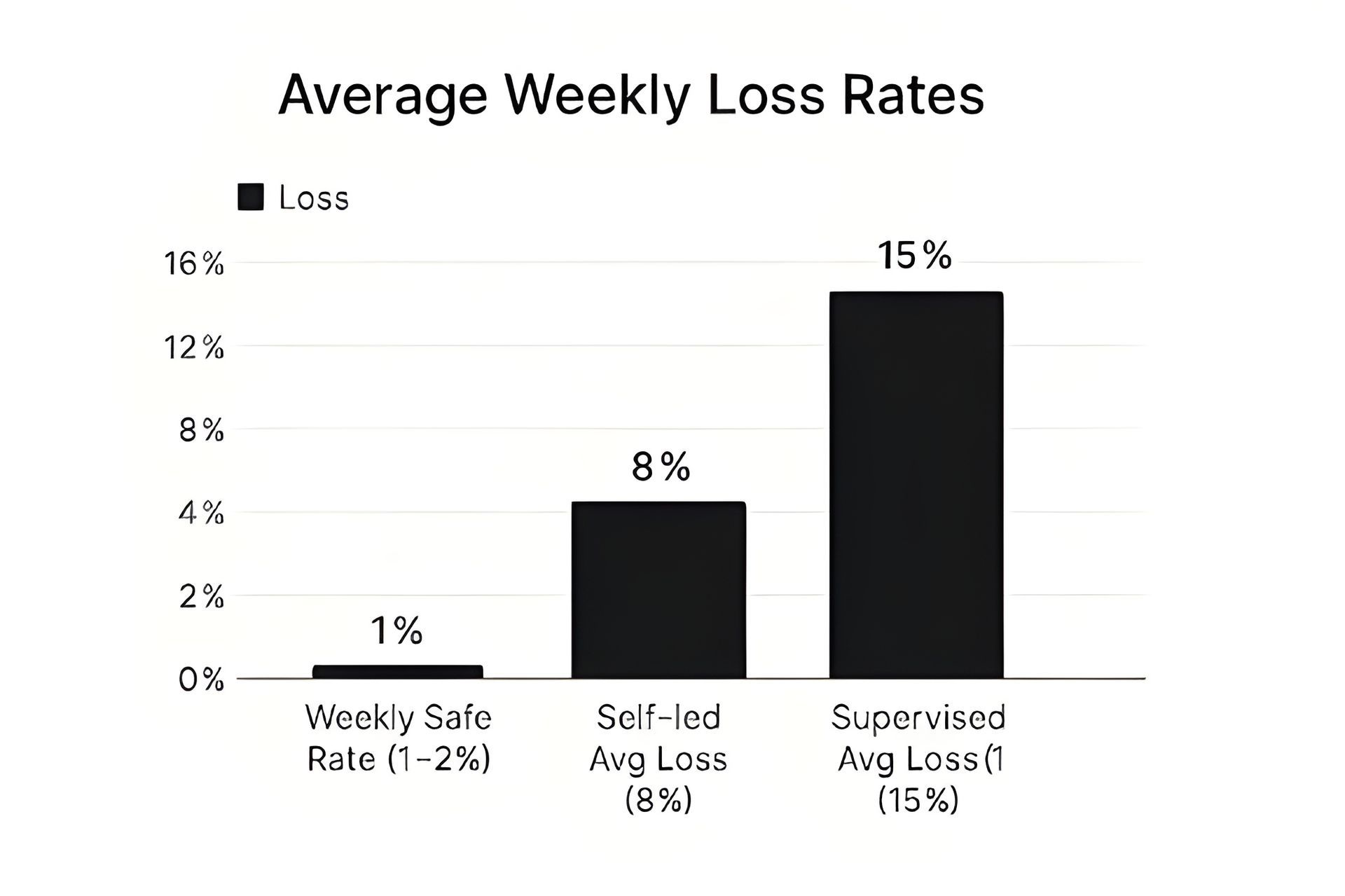
As you can see, a medically supervised weight loss program can nearly double the average success rate compared to trying to do it all yourself. This isn't about willpower; it's about having the right strategy and support.
The need for these structured, expert-led programs is growing every year. According to the World Health Organization, over 2.5 billion adults around the world are overweight, with around 890 million of them living with obesity. Here in the United States, about 42% of adults face the health challenges of obesity.
This has fueled a massive demand for programs that combine proven lifestyle changes with real medical expertise. In fact, the global weight management market is projected to hit an incredible $725.6 billion by 2032. It's a clear signal that people are tired of fad diets and are looking for professional guidance that delivers lasting results.
Medically Supervised Weight Loss vs Traditional Dieting
To make the distinction even clearer, let's break down the key differences between a structured, medically supervised program and a typical self-directed diet.
| Feature | Medically Supervised Program | Traditional Dieting |
|---|---|---|
| Foundation | Comprehensive medical evaluation, including lab work and health history. | General advice, often from non-medical sources like books or online. |
| Plan Personalization | Highly individualized based on your unique metabolism, health conditions, and goals. | One-size-fits-all rules (e.g., "cut all carbs," "eat 1,200 calories"). |
| Safety & Oversight | Continuous monitoring by a medical professional to ensure safety and adjust the plan. | No professional oversight, increasing the risk of nutritional gaps. |
| Support System | Regular check-ins, accountability, and professional guidance. | Relies solely on self-motivation, which often fades. |
| Focus | Sustainable, long-term health improvement, addressing root causes of weight gain. | Quick, often temporary weight loss, usually focused only on calories. |
| Success Rate | Significantly higher due to a comprehensive, supported, and personalized approach. | Lower success and high rates of regaining weight. |
The table above really highlights the core difference: a medically supervised program is a true healthcare strategy, while traditional dieting is often just guesswork.
If you're ready to learn more about how a personalized, medically-guided approach can work for you, you can get a complete overview in our
detailed breakdown of what is medical weight loss.
The Core Components of a Successful Program

A truly successful weight loss program is a lot like building a house—it needs a solid blueprint and several strong pillars to support the whole structure. Each part is essential, and they all work together to create something safe, stable, and built to last. If you only focus on one area, like diet, without addressing the rest, it’s like trying to build a house with only one wall. It just won’t stand.
These programs are designed to be thorough because they address the complex, interconnected reasons behind weight gain. For anyone in Mississippi looking for real, lasting change, understanding these core components is the first step toward building a new foundation for your health.
Let's break down the four key pillars that make these programs so effective.
Pillar 1: The Initial Medical Evaluation
Before a single step is taken, a medical professional has to understand exactly what they're working with. This initial evaluation is the absolute foundation of your entire journey. It’s a deep dive into your unique health profile, designed to uncover any hidden factors that could be getting in the way of your weight loss goals.
This assessment goes far beyond just stepping on a scale. It’s a comprehensive review of your medical history, current medications, and lifestyle. Critically, lab work may be ordered to check for underlying issues that can make losing weight feel impossible, such as:
- Hormonal Imbalances: Conditions impacting your thyroid, cortisol, or other hormones can dramatically slow down your metabolism.
- Nutrient Deficiencies: A lack of key vitamins or minerals can sap your energy and disrupt normal bodily functions needed for weight management.
- Metabolic Markers: Checking things like blood sugar and cholesterol gives us a clear snapshot of your current metabolic health.
This first step ensures your plan is built on a solid base of medical data, making it both safe and perfectly tailored to you.
Pillar 2: Personalized Nutrition Planning
Once your health baseline is established, the next pillar is a personalized nutrition plan. This is not another restrictive, one-size-fits-all diet. Instead, it’s a sustainable eating strategy crafted to fit your body's specific metabolic needs, your health goals, and your real-world lifestyle.
The goal here is to move past the old "good food vs. bad food" mindset. We want to help you understand how different foods fuel your body and impact your health. Medical providers work with you to build healthy habits you can actually stick with for life.
A personalized nutrition plan focuses on long-term lifestyle changes, not short-term deprivation. The aim is to build a positive relationship with food that supports both your weight goals and your overall well-being.
This approach emphasizes whole foods and proper portions while still respecting your personal food preferences. That’s what makes it so much easier to stick with the plan and achieve results that last.
Pillar 3: Structured Physical Activity
The third essential pillar is a structured physical activity plan. This is a common stumbling block for people trying to lose weight on their own. Many either do too much too soon—leading to burnout or injury—or not enough to see real results, which just leads to frustration. A medical provider helps you find that "just right" balance.
Your exercise plan will be designed for your current fitness level, any existing health conditions, and your personal goals. The focus is always on finding activities that are:
- Safe: The plan accounts for any physical limitations, like joint pain or heart conditions, to keep you safe and prevent injury.
- Effective: Exercises are chosen to maximize fat loss, build lean muscle, and improve your cardiovascular health.
- Sustainable: We help you find activities you genuinely enjoy, making it much easier to build a consistent routine that becomes a permanent part of your life.
This expert guidance helps you build strength and endurance gradually and safely, turning exercise from a chore into a rewarding habit.
Pillar 4: Ongoing Behavioral Support
Finally, we have the fourth pillar—and honestly, it's one of the most critical for long-term success: ongoing behavioral support. We all know that losing weight isn't just a physical challenge. It’s a mental and emotional one, too. This pillar helps you finally understand the "why" behind your eating habits and behaviors.
Having a supportive medical team gives you a place to develop strategies for overcoming common roadblocks like emotional eating, stress, and dips in motivation. This support system provides both accountability and encouragement, keeping you on track when life inevitably gets challenging. It's all about building a resilient mindset that can handle the natural ups and downs of any health journey.
By addressing the psychological side of weight management, this pillar helps lock in all the new, healthy habits you're building, ensuring your transformation is one that truly lasts.
Why Physician Guidance Is Crucial for Lasting Results
Embarking on a weight loss journey without professional guidance is like navigating a ship through a storm without a captain. You might have a destination in mind, but without expert guidance, it’s far too easy to get blown off course by unexpected challenges. Physician guidance is the anchor that keeps your efforts grounded in safety, science, and sustainability.
This professional oversight helps you sidestep the common pitfalls that so often derail self-guided attempts. Things like nutrient deficiencies, a stalling metabolism, or significant muscle loss can not only halt your progress but also damage your overall health. A medical professional anticipates these issues and builds a plan to prevent them from the very start.
Managing Health from a Medical Perspective
For many people in Mississippi, losing weight isn't just about how you look; it’s a critical part of managing chronic health conditions. If you're living with pre-existing issues like type 2 diabetes, high blood pressure (hypertension), or high cholesterol, trying to lose weight on your own can be genuinely risky.
A physician overseeing your medically supervised weight loss program can safely manage these co-existing conditions. As your health improves and you start shedding pounds, your medication needs will almost certainly change. A medical professional can carefully monitor your progress and make the right adjustments to your prescriptions, ensuring your treatment remains both effective and safe throughout your entire journey.
This data-driven approach transforms weight loss from a frustrating cycle of trial and error into a responsible and effective path toward better health.
The Challenge of Unsupervised Weight Loss
The numbers don't lie. Statistics from countless weight loss attempts paint a clear picture of the difficulties people face without structured support. Worldwide, 45% of people say they are actively trying to lose weight, yet keeping it off long-term remains a massive hurdle.
For instance, some studies show that as few as 13.8% of adults managed to maintain even a 5% weight reduction over a three-year period. These figures highlight how factors like age and metabolism can sabotage sustained success when you're going it alone. Unsupervised dieting often leads directly to weight regain, which underscores the vital need for programs with clinical monitoring, professional nutrition guidance, and structured activity plans to truly succeed.
Physician guidance isn't about restriction; it's about empowerment. It provides you with the personalized data, medical expertise, and safety net needed to make confident, informed decisions about your health.
A Deeper Look at Wellness Support
A truly comprehensive wellness plan addresses all the factors that contribute to weight gain. Sometimes, the biggest barriers to your success aren't about diet or exercise at all, but about other underlying issues. For example, chronic pain can make physical activity feel impossible, while anxiety can fuel emotional eating.
For some patients in Mississippi, medical marijuana can play a supportive role in this broader wellness strategy. When prescribed for a qualifying condition, it can help manage the very symptoms that interfere with your weight loss goals. These positive side effects can be part of a holistic approach to health.
- Pain Management: By easing chronic pain, it can make movement and exercise more accessible and consistent.
- Anxiety Reduction: It can help calm the stress and anxiety that often come with making major lifestyle changes.
- Improved Sleep: Quality sleep is absolutely essential for hormonal balance and metabolism, and medical marijuana can aid in restoring healthy sleep patterns.
This approach is always managed carefully within the medical framework of Mississippi's program, making sure it complements the primary weight loss strategy. For those interested, exploring how cannabis can work with other treatments offers a deeper look into these kinds of integrated wellness strategies. This expert guidance ensures every part of your plan works together for safe, effective, and lasting results.
Could You Be a Candidate for a Medical Program?

Taking the first step toward a medically supervised weight loss program can feel like a big decision, but figuring out if you're a good fit is more straightforward than you might think. These programs have clear guidelines, not to create barriers, but to make sure this approach is both safe and genuinely effective for your unique health situation.
In Mississippi, the conversation usually starts with your Body Mass Index (BMI). It’s a simple calculation using your height and weight that gives medical professionals a starting point to assess potential health risks tied to your weight.
While BMI isn't the whole story for everyone, it provides a consistent, reliable baseline for practitioners to begin understanding your needs.
Understanding the BMI Benchmarks
So, how is the Body Mass Index used? Specific BMI ranges are key indicators that a medical program could be the right path. These numbers help medical professionals see when weight is likely playing a role in other health issues, making a structured, professional approach necessary for real, lasting change.
Generally, you’re a strong candidate for a medically supervised program if your BMI fits into one of two main categories:
- A BMI of 30 or greater: This is the clinical threshold for obesity. At this level, the health risks tied to excess weight become much more significant, and professional guidance is strongly recommended to get things back on track.
- A BMI of 27 or greater with a related health condition: You're also an ideal candidate if your BMI is in the overweight range (25-29.9) and you’re already managing a weight-related health problem. This is because the program can tackle both your weight and the co-existing condition at the same time.
Common related health issues include type 2 diabetes, high blood pressure, sleep apnea, or high cholesterol. The great news is that when we manage weight effectively, there is almost always a direct improvement in these other conditions.
The real purpose of these criteria is to connect the right people with the right program. The goal is to identify individuals who stand to benefit most from a structured, professional approach, ensuring the work has the biggest possible impact on their overall health and well-being.
When You've Tried Everything Else
Another huge factor to consider is your personal history with weight loss. Does this sound familiar? You’ve tried all the diets, committed to different workout plans, and maybe even saw some success, but the results just didn't stick.
If you feel trapped in a frustrating cycle of losing weight only to see it come back, a medically supervised weight loss program could be the turning point you need. This isn't a reflection of failure on your part. Far from it. It's usually a sign that there are underlying metabolic or even behavioral factors that generic, one-size-fits-all diets simply can't address.
This is exactly why professional guidance is designed to break that cycle for good. By digging deeper into your specific health profile, a medical provider can uncover the root causes of your struggles. From there, a strategy is built that finally sets you up for sustainable change, because willpower alone is rarely enough. The right plan, with the right support, makes all the difference.
The Role of Medical Marijuana in Holistic Wellness

For some people here in Mississippi, a truly effective wellness plan has to look at the whole picture, not just one isolated issue. When a medically supervised weight loss strategy is created, every single factor that could be holding a patient back is considered.
And sometimes, the biggest roadblocks aren't about food or exercise. They're about other persistent health challenges that make progress feel impossible.
This is where medical marijuana, when carefully managed by a physician for a qualifying condition, can play a supportive role. It’s important to be clear: medical marijuana is not a weight loss tool itself. Instead, it helps address the related symptoms that can make a wellness journey incredibly difficult. The goal is to make the path to success more manageable by improving your overall quality of life.
The entire process is kept within a regulated medical framework. Getting a medical marijuana card for a physician-certified condition allows it to become one component of a professional, well-rounded health strategy designed to help you feel and function better.
Addressing Barriers to a Healthy Lifestyle
Imagine trying to start a new exercise routine when you're dealing with constant, draining pain. Or attempting to stick to a nutrition plan while battling high levels of anxiety. It feels like you’re fighting an uphill battle from the very start.
Medical marijuana can help level that playing field by taking on these specific challenges. When prescribed appropriately, it can have several positive side effects that support a person's wellness goals:
- Managing Chronic Pain: This is one of the most significant benefits. By helping to ease persistent pain, medical marijuana can make physical activity feel more accessible and less intimidating. This allows patients to build consistent exercise habits without getting sidelined by discomfort.
- Easing Anxiety: Making major lifestyle changes is stressful. For some, that stress and anxiety can trigger emotional eating or feelings of being completely overwhelmed. Medical marijuana can help promote a sense of calm, making it easier to stay focused and stick with a new routine.
- Improving Sleep Quality: Sleep is absolutely vital for managing weight successfully. Poor sleep throws the hormones that control your appetite and metabolism completely out of whack. For those with qualifying conditions, medical marijuana can help them get more restful sleep, which in turn supports the body's natural ability to regulate itself.
This approach is all about removing obstacles, not creating a shortcut. By managing these underlying symptoms, you're far better equipped to focus on the core parts of your weight loss plan.
The purpose of incorporating medical marijuana into a wellness plan is to address symptoms that interfere with your ability to live a healthier life. It's about enabling consistency with diet, exercise, and positive habits by improving your overall well-being.
A Physician-Guided Process in Mississippi
It's critical to understand that this is not a self-treatment approach. Here in Mississippi, the use of medical marijuana is strictly regulated and requires certification from a qualified physician for a specific debilitating medical condition. This ensures its use is both safe and appropriate for your individual health situation.
The process is designed to be responsible and medically sound from start to finish. A physician will evaluate your condition to determine if you qualify for a medical marijuana card. If you're approved, it becomes one piece of a larger, coordinated care plan—one that might also include nutrition counseling, exercise guidance, and other medical support.
This physician oversight ensures every part of your wellness strategy works together effectively, without interfering with one another. It’s a thoughtful way to build a complete health plan that addresses you as a whole person, clearing the path for you to achieve your weight management goals in a safe and supportive environment.
Start Your Personalized Wellness Path in Mississippi
Making the decision to improve your health often starts with one single, important step. For many of us here in Mississippi, that first step is finding a medically supervised weight loss program that treats you like a whole person—not just a number on a scale. It’s about choosing a path where every part of your plan, from what you eat to how you move, is built specifically for you.
The journey kicks off with an initial consultation where a medical professional actually listens. They'll take the time to hear your story, go over your health history, and truly understand the challenges you're facing. This isn't about judgment; it's about building a partnership. From there, you work together to create your unique roadmap, outlining a nutrition and activity strategy that feels both achievable and sustainable.
Finding a Partner in Health
More and more people are realizing the value of this kind of professional guidance. The weight loss services market is currently valued at around $18.25 billion and is expected to climb to $27.1 billion by 2029. A big reason for this growth is our aging population, as getting older often brings changes to body composition that can increase health risks. This just goes to show how vital medically supervised programs are for providing care that adapts to each person's unique needs.
Choosing the right team to guide you is everything. You need more than just a diet plan; you need ongoing support, expert advice, and a genuine commitment to helping you navigate every high and low. This support system is what turns a temporary fix into lasting, meaningful change.
A successful wellness journey is built on a foundation of trust and collaboration. It’s about having a professional who is as invested in your health as you are, providing the tools and encouragement needed to achieve lasting change.
By taking this first step, you’re doing so much more than starting another diet. You're making a real investment in your future health, all within a professional and supportive environment. This process also includes learning about all the tools available, including how to get weight loss medication when a medical professional determines it's the right choice for you, ensuring every part of your plan is handled safely and effectively.
Frequently Asked Questions About Medical Weight loss
Thinking about medically supervised weight loss naturally brings up a lot of questions. We get it. Making an informed decision about your health is the most important step. To help our neighbors across Mississippi feel confident and clear, we’ve put together answers to some of the questions we hear most often.
How Is This Different From a Commercial Diet Program?
The biggest difference comes down to two things: professional medical oversight and a plan built just for you. Commercial diet programs are often designed as a one-size-fits-all solution. They can’t—and don’t—take into account your specific medical history, metabolism, or underlying health issues that might be getting in the way.
A medically supervised program, on the other hand, is created and managed by a real healthcare provider. It always starts with a complete medical evaluation to make sure the plan is not only effective but, more importantly, safe for your body. This professional guidance means your plan can be adjusted in real-time based on your progress and health, a level of personalized care you just won't find in a generic diet book or app.
Will Insurance Cover the Cost of the Program?
This is a big question, and the answer can vary quite a bit based on your specific insurance plan. Some insurance companies in Mississippi might cover certain parts of the program, especially if it's considered medically necessary because of conditions like diabetes, sleep apnea, or hypertension.
However, it's also common for more comprehensive or integrated programs to be offered on a direct-pay basis. The best first step is always to check with both the provider's office and your insurance company. Getting a clear picture of the investment from the start helps you move forward with confidence.
Are Prescription Medications Always Used?
Not at all. While prescription medications can be an excellent tool for some people—helping to manage appetite or address metabolic issues—they aren't a mandatory part of every plan. The decision to include medication is always made by a medical professional after a thorough evaluation of your health and goals.
The real heart of any successful program is creating sustainable lifestyle habits around nutrition and physical activity. Think of medication as a supportive tool, not the entire toolbox. It's used only when a provider believes it will safely and significantly boost your chances of long-term success.
The goal is always to create the most effective and sustainable plan for you. Medications are just one of several tools a medical provider might use to help you achieve your long-term health objectives safely.
What Happens During the First Consultation?
Your first consultation is much more than just a quick check-up; it's a comprehensive and collaborative conversation. You'll sit down with a medical provider to talk about your goals, your complete medical history, and any past experiences you've had with weight loss. This conversation is key for the provider to understand your unique challenges and what has (or hasn't) worked for you before.
This initial meeting is also your time to ask every question on your mind and get a feel for how the program works. It’s the foundation for building a trusting partnership on your wellness journey.
You can learn more about a personalized and professional approach to achieving your health goals by visiting
https://pausethepain.com.