Why Does Marijuana Make Me Paranoid? Find Out the Causes & Tips
It’s one of the most common questions we hear from medical Marijuana patients in Mississippi: why does a plant meant for relief sometimes cause the exact opposite feeling—paranoia?
The answer isn't a personal failing; it's a matter of brain chemistry. It all comes down to how THC, the main psychoactive compound in Marijuana, interacts with your brain's fear center. Understanding this reaction is the first step toward a calm, positive, and therapeutic experience.
Understanding Marijuana and Paranoia in Mississippi

For patients in Mississippi’s medical program, the goal is to ease symptoms, not add new layers of stress. So when feelings of unease or paranoia pop up, it can be confusing and even alarming.
It’s crucial to know that this is a biological process. The main driver is THC’s effect on a tiny, almond-shaped part of your brain called the amygdala.
Think of the amygdala as your brain's built-in alarm system. It's constantly scanning for threats. When THC overstimulates this region, it can accidentally trip that alarm, leading to a surge of anxiety and suspicious thoughts. This isn't a guaranteed outcome of using medical Marijuana, but a potential side effect that, with the right knowledge, can be managed.
Key Factors That Influence a Paranoid Reaction
Whether your experience is calming or anxiety-inducing depends on a few key variables. Being aware of these factors helps Mississippi patients navigate their treatment and find the right balance for their needs.
The table below breaks down the primary elements that can contribute to feelings of paranoia when using medical Marijuana.
By understanding these contributors, you can make more informed choices about your treatment, ensuring you get the relief you need without the unwanted anxiety.
For many, the therapeutic benefits of medical Marijuana for conditions like chronic pain are life-changing. The key is finding a balance that maximizes relief without triggering side effects. Learning howusing cannabis for anxiety can help reduce symptoms offers deeper insight into striking that perfect balance.
By learning why Marijuana can sometimes make you feel paranoid, you're empowered to take control of your experience. This knowledge allows you to make smart decisions about dosing and product selection, making your journey with medical Marijuana in Mississippi a safe and beneficial one.
How THC Interacts with Your Brain's Fear Center
To get to the heart of why medical Marijuana can sometimes spark paranoia, we have to look at how its main active compound, THC, actually talks to your brain.
Think of your brain as having its own internal communication network—it's called the endocannabinoid system. This system is responsible for keeping things like mood, appetite, and emotions in balance using its own messenger molecules and docking stations, known as receptors.
A really important hub in this network is the amygdala, which acts as your brain’s emotional switchboard and fear processor. The amygdala is packed with cannabinoid receptors, specifically CB1 receptors. Under normal circumstances, your body's own endocannabinoids fit into these receptors perfectly, like a custom-made key in a lock, helping to keep feelings of fear and anxiety from spiraling out of control.
When you use medical Marijuana, the THC molecule is so structurally similar to your natural endocannabinoids that it can also slide right into these CB1 "locks." The catch? THC is a much more powerful key. When a high concentration of THC floods the amygdala, it can over-activate these receptors, essentially cranking the brain's alarm system up to eleven. This overstimulation can cause your brain to misread signals, interpreting something neutral as a potential threat. That’s when the suspicious, anxious, or fearful thoughts we call paranoia can kick in.
The Science Behind the Sensation
This isn't just a hunch; it's a physiological response that's been well-documented. A landmark scientific trial directly showed that when THC was given to participants intravenously, it significantly ramped up feelings of paranoia, worry, and anxiety compared to a placebo. This study confirms that for some people, the answer to "why does Marijuana make me paranoid?" is found in this direct, biological interaction. You canread the full research about these THC findings to see the study's conclusions for yourself.
The infographic below breaks down how different personal factors can come together to shape your individual risk for paranoia when using medical Marijuana.
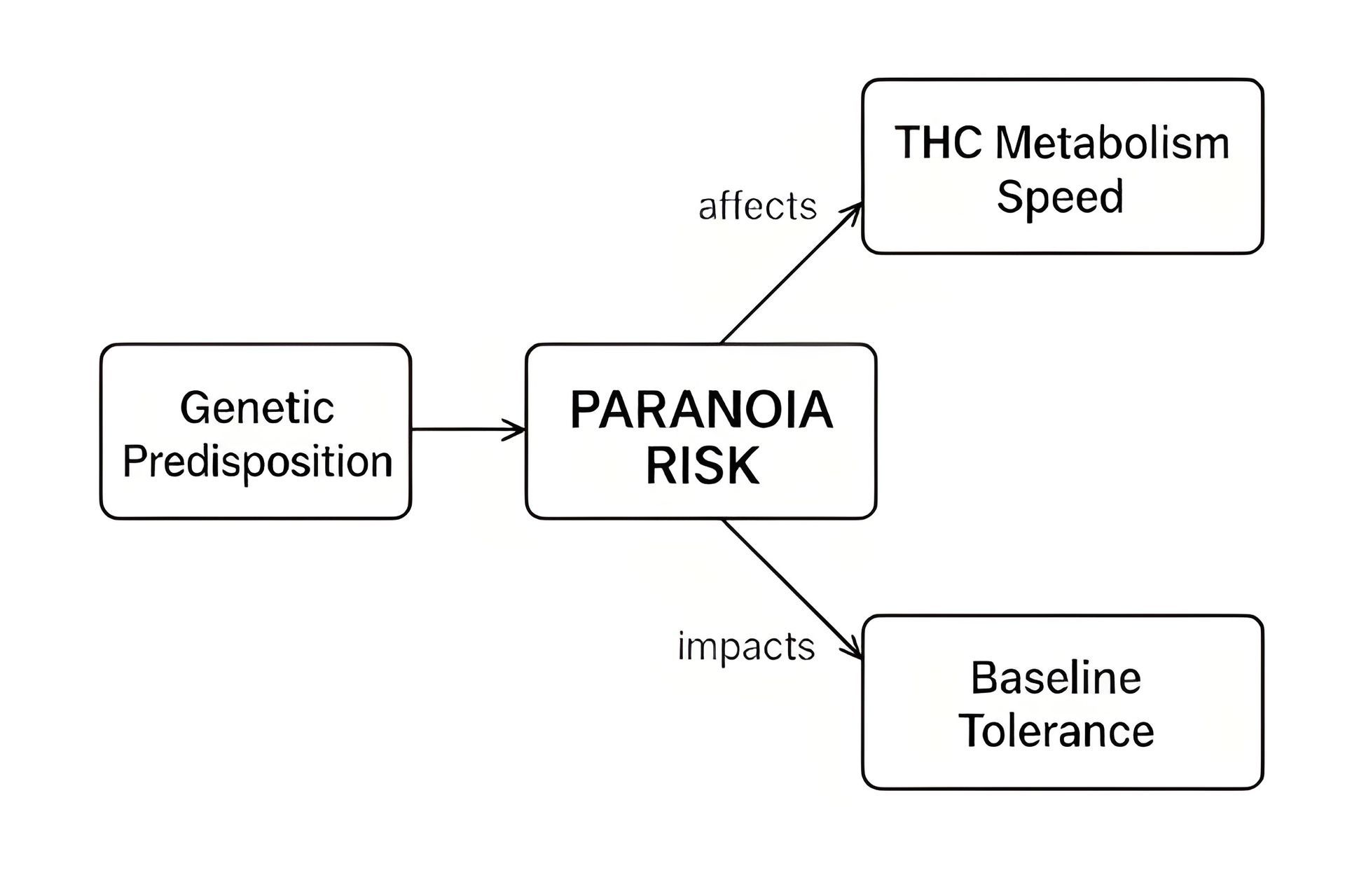
As the visual shows, your unique genetic makeup, how fast your body metabolizes THC, and your current tolerance level all play a huge role in how you'll react.
Why Your Response is Unique
Here’s the thing: every single person’s endocannabinoid system is different. That’s exactly why two people can use the same product and have wildly different experiences. For many of our patients in Mississippi, medical Marijuana delivers profound relief from things like chronic pain with zero negative side effects. The whole game is about understanding this unique brain-body connection.
By recognizing paranoia as a potential side effect of an overstimulated amygdala, you can shift your focus from fear to management. It's about finding the right dosage and product that works with your brain's chemistry, not against it.
This knowledge puts you back in the driver's seat. Instead of just hoping for the best, you can approach your medical Marijuana treatment with a clear strategy. You become an active partner in making sure your experience is therapeutic and positive, which is key to unlocking the incredible benefits available through Mississippi's medical program.
Understanding Your Personal Risk Factors
So, why does medical Marijuana bring a sense of calm to one person in Mississippi, while sparking unease in another? It’s not random. The answer lies in a mix of personal factors that shape your unique response to THC.
Not everyone is wired for paranoia, and figuring out your own risk profile is the key to making medical Marijuana a positive, therapeutic experience.

Think of it like caffeine. Some of us can have a double espresso after dinner and sleep like a baby, while others get jittery from a single cup in the morning. A similar principle applies here. Some people have a genetic predisposition that makes them more sensitive to THC's psychoactive side. It's just a matter of individual biology, and it explains why you might react completely differently than a friend using the exact same product.
The Role of Age and Brain Development
Age is another huge piece of the puzzle, especially when it comes to the brain. An adolescent brain is still a work in progress, making it far more vulnerable to the effects of THC. The research is pretty clear on this: regular Marijuana use during these formative years can seriously heighten the risk of paranoia down the road.
One major study followed over 1,000 teenage boys and found something striking. Those who used Marijuana at least weekly had more than double the odds of experiencing paranoid thoughts for each year they used it regularly. Findings like these are exactly why medical Marijuana programs are designed for adults. You can learn more about these adolescent risk findings to see the full picture.
Existing Mental Health and Inexperience
Your mental state when you use Marijuana plays a massive role in the outcome. If you already live with an anxiety disorder, THC can sometimes act like fuel on the fire, amplifying those underlying feelings of worry instead of soothing them.
For medical patients in Mississippi, recognizing this link is crucial. THC can act like a magnifying glass for pre-existing anxiety, turning quiet worries into louder, more intrusive thoughts. This is why a cautious approach is so important for those with a history of anxiety.
Finally, simple inexperience can be a major driver. If you're new to medical Marijuana, the psychoactive effects are completely novel and can be easily misinterpreted as something threatening. That sudden shift in perception can feel disorienting. Without any frame of reference, it’s easy for the mind to jump to a place of fear or suspicion.
A key part of the learning curve for new patients is recognizing this is just a new sensation, not a real danger. It also helps to be aware of your own baseline mental health before you even start. Knowing the signs you should seek treatment for anxiety can give you a much clearer understanding of where you're starting from.
Practical Strategies for a Calmer Experience
Understanding why Marijuana can sometimes cause paranoia is one thing, but knowing how to prevent it is what really matters. For medical Marijuana patients here in Mississippi, the whole point is to find therapeutic relief, not add more stress.
Thankfully, with a few practical strategies, you can take control of your experience and dramatically reduce the risk of anxiety. It's all about being mindful and prepared.
The most important rule of thumb? Start low and go slow. This isn't a race. The goal is to find your minimum effective dose—just enough to get the relief you need without accidentally tipping the scales. It's a personal journey of discovery.
Choose Your Product Wisely
Not all medical Marijuana is created equal, and your product choice is your first line of defense against an uneasy experience. When you walk into a Mississippi dispensary, the options can feel overwhelming, but knowing what to look for makes all the difference.
Try to find products with a balanced ratio of THC to CBD. While THC is the compound that can sometimes trigger anxious feelings, CBD is known for its calming properties and can actually buffer some of THC's more intense effects. Think of CBD as the steadying hand that keeps the experience grounded and comfortable.
- Ask about balanced ratios: Look for products labeled 1:1 (equal parts THC and CBD). If you know you're sensitive, you might even look for options with a higher CBD ratio.
- Don't fixate on high THC: You don't always need the most potent product to find relief. In fact, a lower THC percentage is often more effective for managing symptoms without the unwanted side effects.
Master Your Set and Setting
Beyond the product itself, your environment and mindset—often called "set and setting"—are incredibly powerful. This concept is simple but absolutely crucial. "Set" is your internal mindset, and "setting" is your physical surroundings.
Your internal emotional state and external environment are two of the most influential factors in any medical Marijuana experience. A calm mind in a safe space is the ideal combination for a positive outcome.
To get this right, make sure you're in a place where you feel safe, comfortable, and totally at ease, especially when trying something new. Avoid using your medicine for the first time in a crowded or unpredictable place. Your mindset is just as critical; if you're already feeling on edge or stressed out, it might be better to wait.
Having a simple, pleasant activity ready—like putting on your favorite album or queuing up a familiar movie—can also give you a positive focal point.
Additional Tips for a Smooth Experience
A little preparation goes a long way. Make sure you’re well-hydrated; drinking plenty of water helps your body process everything more smoothly. It can also be comforting to have some snacks on hand to help you feel more grounded if you start to feel a bit "floaty" or uneasy.
Finally, remember that managing anxiety is a key part of your overall well-being. If you find that feelings of unease are a persistent part of your life, even when you're not using your medicine, professional support can be a game-changer. Learning about the best therapy for anxiety disorders can give you powerful tools for managing stress in every aspect of your life.
By taking these proactive steps, Mississippi patients can confidently use their medical Marijuana card to find the relief they truly deserve.
Focusing on the Therapeutic Benefits of Medical Marijuana
While it’s important to understand why medical Marijuana can sometimes cause paranoia, it's just as crucial to remember why Mississippi created a medical program in the first place. For so many patients, the therapeutic benefits aren't just noticeable—they're life-changing. Paranoia is a manageable side effect, not a guaranteed outcome.
When used correctly, medical Marijuana is a powerful tool for a whole range of debilitating conditions. Patients across Mississippi are finding relief from the kind of chronic pain that used to sideline them from daily life, helping them get back on their feet and improve their quality of life. It’s also incredibly effective at reducing the severe nausea that comes with chemotherapy, which can make all the difference for patients trying to maintain their strength during treatment.
Beyond Physical Relief
The benefits don't stop with physical symptoms, either. Medical Marijuana has shown incredible promise for easing the muscle spasms that come with conditions like multiple sclerosis, delivering a sense of physical calm that’s often hard to find with other medications. On top of that, many patients report significant improvements in their sleep—a cornerstone of overall health and recovery.
For many in Mississippi, the positive effects of medical Marijuana create a ripple effect, improving not just one symptom but their entire sense of well-being. This is particularly true for those managing complex mental health conditions.
A Tool for Mental Wellness
In a fascinating twist, medical Marijuana also has powerful applications for mental health—the very opposite of the paranoia it can sometimes trigger. It's often used to help people manage the persistent, disruptive symptoms of Post-Traumatic Stress Disorder (PTSD). For these individuals, the calming properties found in certain Marijuana products can dial down the hypervigilance and anxiety, creating a much-needed sense of peace.
This just reinforces a key point: your experience is highly dependent on you, the product you choose, and the dose you take. Learning how to cope with conditions likehigh-functioning PTSD and its related anxiety can offer valuable insight into how medical Marijuana can fit into a broader wellness plan.
Ultimately, the goal of Mississippi’s medical Marijuana program is to provide a safe and effective option for the patients who need it most. By learning how to navigate potential side effects like paranoia, you can unlock the profound therapeutic benefits and take a major step toward reclaiming your health.
Using Your Mississippi Medical Marijuana Card Safely

Getting your Mississippi medical Marijuana card is just the first step. The real journey is about using it safely and effectively to improve your well-being. Before anything else, this process should start with a thorough, honest conversation with a qualified healthcare provider. They're the ones who can truly determine if medical Marijuana is the right fit for your specific health condition.
This professional guidance isn't just a box to check—it’s the foundation for your entire treatment. It ensures your plan is medically sound, compliant with state law, and gives you the confidence to start your journey with clear goals. Once you have that foundation, your local dispensary becomes your next key partner.
Partnering With Your Local Dispensary
Think of Mississippi's licensed dispensaries as more than just shops. They are resource centers staffed with knowledgeable people who can help you find the right products to manage your symptoms while sidestepping unwanted side effects like paranoia.
Don’t ever feel hesitant to speak up and ask questions. Your concerns are completely valid, and the staff is there to give you answers based on deep product knowledge and real patient feedback. A good conversation is the key to a positive and therapeutic experience.
Openly discussing your concerns about paranoia with dispensary staff can lead you to products specifically suited for sensitive users, ensuring a more comfortable and effective treatment path.
To get the conversation started, here are a few specific questions that can guide you to the right product:
- What is the THC-to-CBD ratio? A higher amount of CBD can often balance out the anxiety that high-THC products sometimes trigger.
- What options do you recommend for anxiety-prone individuals? They can point you toward specific strains or products known for their calming effects.
- Can you explain the potency of this product? Understanding its strength is crucial for following the golden rule: "start low and go slow."
By leaning on the expertise available to you, your Mississippi medical Marijuana card becomes a powerful tool for wellness, allowing you to take charge of your health responsibly.
Your Questions About Marijuana and Paranoia, Answered
Navigating the world of medical Marijuana in Mississippi can bring up a lot of questions, especially when it comes to managing potential side effects. Here are clear, straightforward answers to some of the most common concerns about paranoia and medical Marijuana use.
Can CBD Help with Marijuana-Induced Paranoia?
Absolutely. Think of Cannabidiol, or CBD, as the calm, non-psychoactive counterpart to THC. It’s well-known for its calming properties and works as a natural counterbalance to THC's more intense effects.
Many Mississippi patients find that choosing a medical Marijuana product with a balanced THC-to-CBD ratio is a great strategy. Keeping a separate, CBD-only product on hand can also provide peace of mind, allowing you to quickly dial down any feelings of unease if they pop up.
Is This Feeling of Paranoia Permanent?
For the vast majority of medical Marijuana users, any feelings of paranoia are completely temporary. The sensation almost always fades as the effects of the THC wear off, usually within a few hours.
It's a transient side effect, not a permanent condition. By managing your dose, choosing the right product, and making sure you’re in a comfortable setting, you can greatly minimize the chances of it happening at all.
Can I Still Use Medical Marijuana if I Get Paranoid?
Experiencing paranoia from medical Marijuana doesn’t automatically mean you can't use it for its therapeutic benefits. More often than not, it's just a sign that an adjustment is needed.
This kind of reaction usually indicates that the THC potency was too high for your system, the dose was too large, or your environment just wasn’t ideal for a calm experience.
Many patients in Mississippi successfully use medical Marijuana by simply making a change. By starting with a very low dose of a balanced product in a safe, familiar space, you can often find the relief you need without the unwanted side effects.
At
Pause Pain and Wellness, our local Mississippi healthcare providers are committed to guiding you through every step of your wellness journey. If you're ready to explore how a medical Marijuana card can fit into your health plan, we're here to provide the expert, compassionate support you need.
Visit us online to learn more and schedule your consultation today.