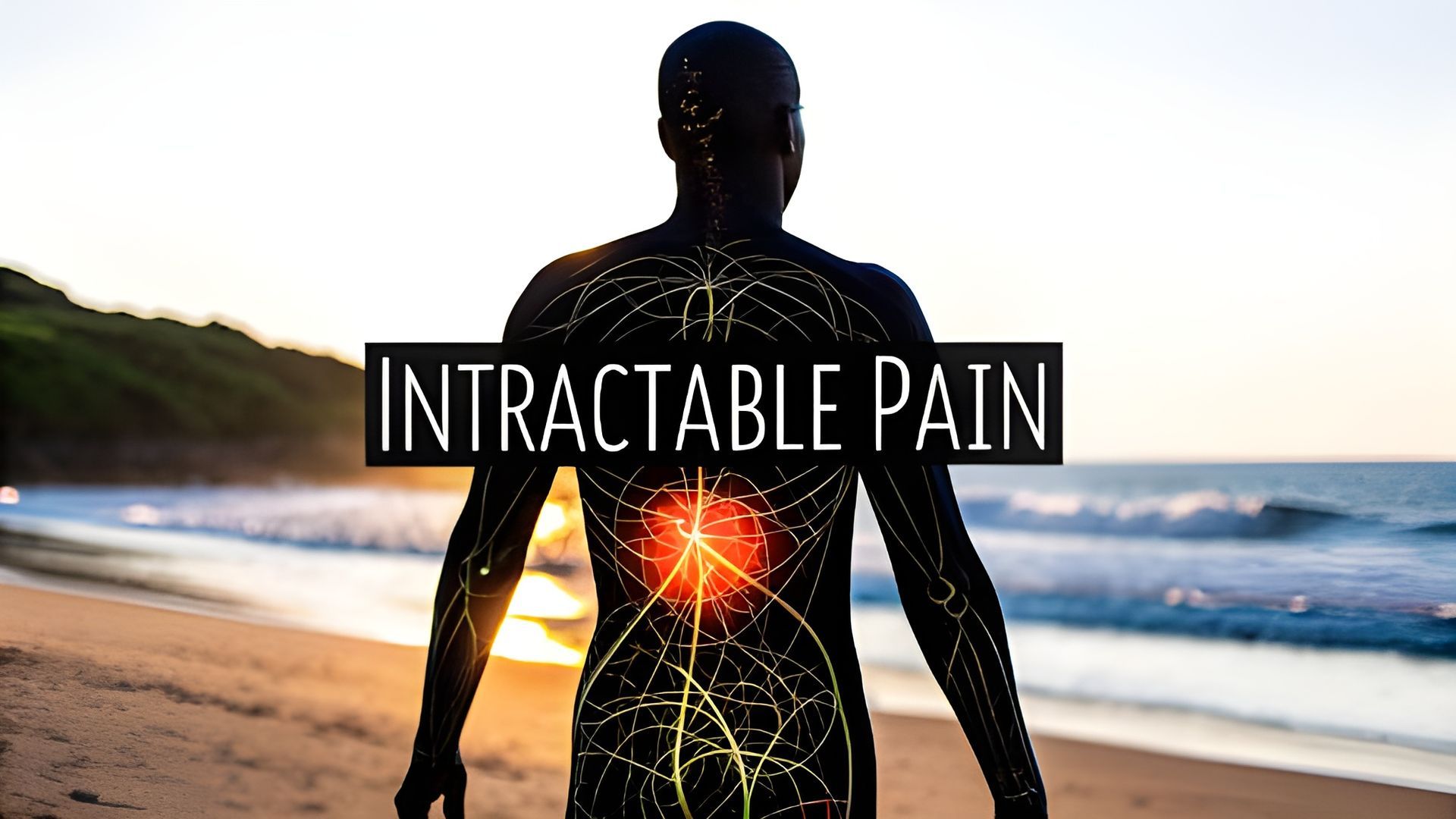
Finding a Chronic Pain Doctor Near Me in Mississippi
When you start searching for a "chronic pain doctor near me," you’re taking the single most important step toward getting your life back. Here in Mississippi, finding a physician who truly specializes in chronic pain is the key to getting a real diagnosis and a treatment plan that actually works for you. These specialists offer a depth of care that a general practitioner, as great as they are, just can't provide for persistent pain.
Navigating Chronic Pain Management in Mississippi
Living with chronic pain is a grind, and the path to relief has to start with the right medical partner. This isn't like a broken bone or a sprain—acute pain is a temporary signal that you're hurt. Chronic pain is different. It sticks around for months, sometimes years, and that requires a completely different mindset for diagnosis and management. It makes a specialist not just a nice idea, but a flat-out necessity.
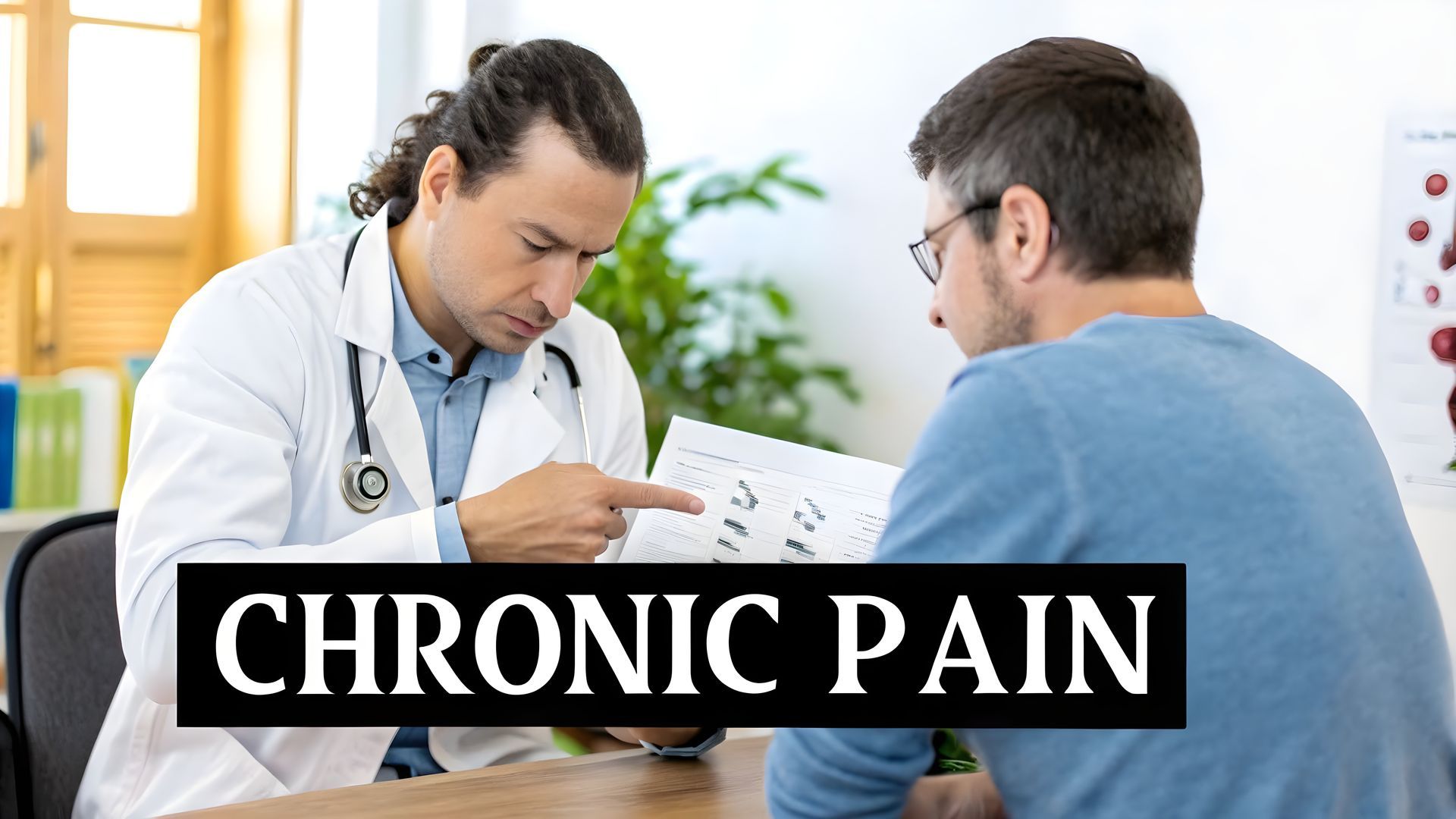
A chronic pain specialist has advanced training to uncover the root causes of that lingering discomfort, which is often tangled and complex. Their expertise allows them to build multi-faceted treatment strategies that don't just mask the symptoms but go after the underlying condition itself.
The Role of a Specialized Pain Doctor
A specialist’s approach is fundamentally different from a primary care physician's. While your family doctor is your go-to for general health, a pain management expert is equipped to handle the tricky nuances of conditions that just don't respond to standard treatments.
Their entire focus is on:
- Getting the Diagnosis Right: Using advanced diagnostic tools to pinpoint the true source of your pain.
- Creating a Real Plan: Building treatment roadmaps that might include physical therapy, careful medication management, and interventional procedures.
- Exploring Every Option: Looking at a wide range of therapies to find what clicks for your specific situation.
This level of detailed, dedicated care is critical for conditions like fibromyalgia, neuropathy, or severe arthritis, where a one-size-fits-all approach almost always comes up short.
The goal of a chronic pain specialist isn't just to manage pain. It's to restore function and improve your ability to simply live your life. They're focused on long-term solutions that empower you to do more, with less pain.
Evolving Pain Management in Mississippi
The world of pain management in Mississippi is constantly moving forward, offering new hope and real options for residents. We're seeing a shift beyond just traditional methods, with the state now supporting alternative therapies that can be woven into a complete care plan. One of the biggest game-changers has been the Mississippi Medical Marijuana Program.
For people with qualifying debilitating conditions, medical Marijuana offers a therapeutic alternative that can help manage symptoms like nerve pain, inflammation, and sleeplessness. It works by interacting with the body's own endocannabinoid system, which plays a central role in regulating pain. For many who haven't found relief with conventional medicine, this program has opened a new door.
Finding the Right Pain Specialist for You
Finding the right chronic pain doctor is about more than just proximity—it's about finding a true partner in your health. Not every physician who treats pain has the same specialized training or patient care philosophy. Especially here in Mississippi, it's vital to find a professional who truly understands the complexities of long-term pain.
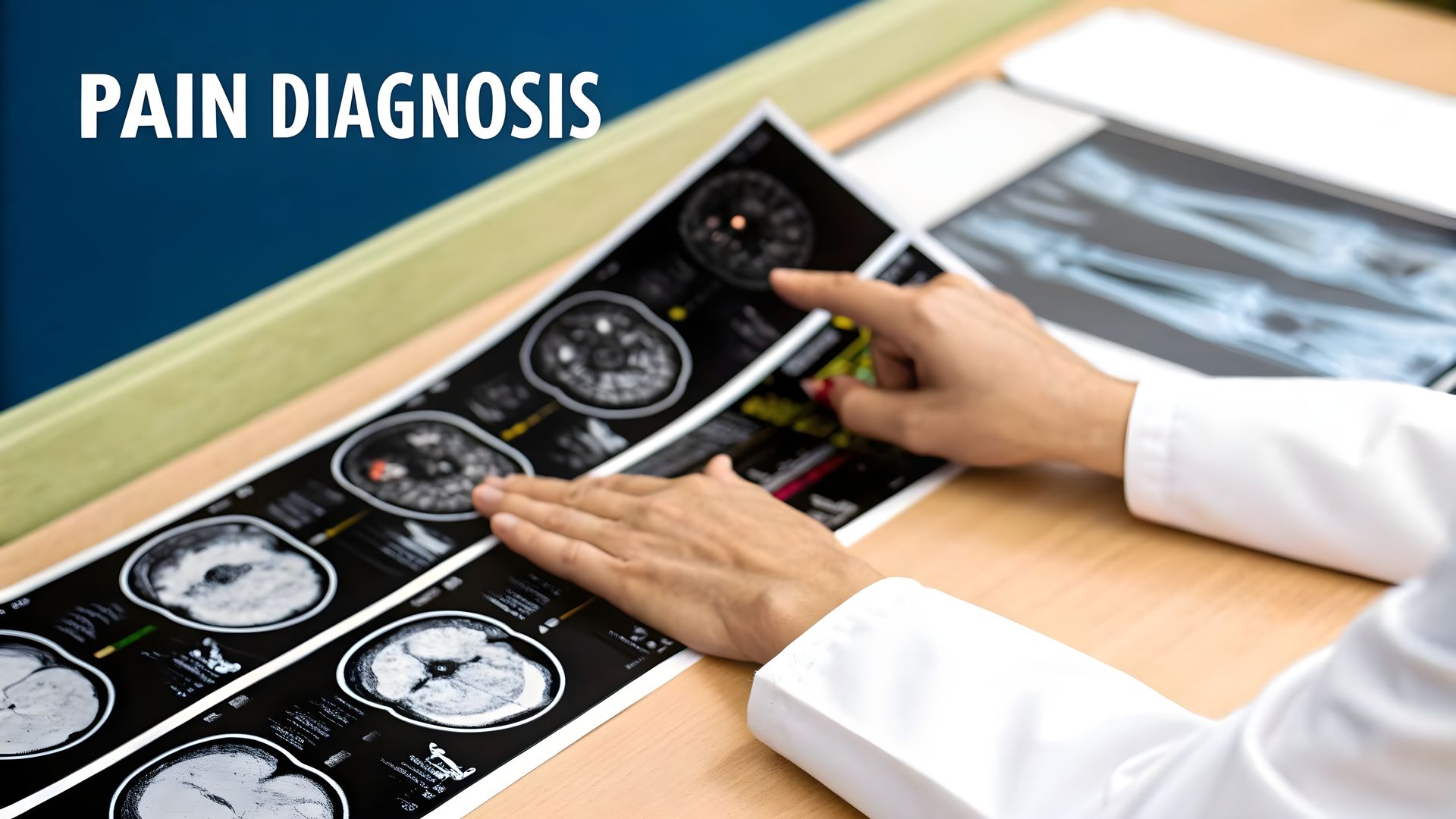
A top-tier pain specialist brings credentials that go far beyond a general medical degree. You should always look for board certification in pain medicine. This isn't just a piece of paper; it’s a mark of deep expertise and a serious commitment to the field. This advanced training means they understand the intricate pathways of pain and can offer a much wider range of treatments than just medication alone.
The scale of chronic pain is hard to wrap your head around. Many adults in Mississippi live with chronic pain, and for a significant number of them, it’s high-impact pain that severely limits their daily lives. This health issue underscores the urgent need for specialized, effective care in our state.
Does Their Treatment Philosophy Match Your Needs?
The best pain specialists don’t just treat symptoms; they look at the whole picture. They practice a multi-faceted approach, building a comprehensive plan that’s customized to your specific condition, your lifestyle, and your goals. This requires a doctor who is an excellent listener and is ready to be a collaborative partner on your healthcare journey.
When you have that first consultation, pay close attention to how they interact with you. A great chronic pain doctor will:
- Truly Listen: They should ask detailed, thoughtful questions about your pain history, what you’ve already tried, and—most importantly—how it’s affecting your life.
- Explore All Avenues: A good specialist will present a variety of therapeutic options, from physical therapy and interventional procedures to alternative treatments.
- Stay Open-Minded: A forward-thinking doctor in Mississippi will also be knowledgeable about the state's medical Marijuana program and how it might benefit patients with qualifying conditions.
A provider's willingness to integrate different treatment methods is a huge green flag. It shows they have a patient-first philosophy focused on improving your overall function and quality of life, not just chasing a number on a pain scale.
Why a Personalized Plan is Non-Negotiable
Your pain is unique to you, so your treatment plan should be, too. A skilled specialist will sit down with you to create a strategy that aligns with your personal health goals. They should also be ready and willing to adjust that plan as your needs evolve over time, making sure you’re always getting the most effective care possible.
Ultimately, remember that seeking professional help for chronic pain is okay—it’s a necessary and valid step toward getting your life back. Finding that doctor who partners with you, respects your input, and offers a broad spectrum of treatments is the foundation for achieving long-term relief.
Exploring Medical Marijuana for Chronic Pain in Mississippi
When you're dealing with chronic pain day in and day out, traditional treatments don't always cut it. For many Mississippians, this constant search for relief has opened the door to alternative therapies, and the state's medical marijuana program is a major one. It offers a completely different approach for managing debilitating symptoms, but only for those who meet the specific legal and medical requirements.

This isn't about self-medicating. It’s a structured, medical process. To even be considered, you need to be certified by a qualified practitioner who can confirm you have a debilitating medical condition as defined by Mississippi law. While chronic pain is a key qualifier, it can't just be any pain—it has to be severe, intractable, and resistant to other treatments you've already tried.
Getting a clear handle on this framework is your first real step. A consultation with a knowledgeable practitioner is non-negotiable; it's the only way to know for sure if your specific health situation aligns with the state's strict requirements for a medical card.
How Medical Marijuana Interacts with the Body
So, how does it actually work? The therapeutic power of medical marijuana comes from its interaction with your body's own endocannabinoid system (ECS). You can think of the ECS as a massive internal signaling network that helps regulate crucial functions like pain, mood, sleep, and immune responses. Its entire job is to keep your body in balance.
The marijuana plant contains compounds called cannabinoids—you've probably heard of THC and CBD. These compounds are incredibly similar to the endocannabinoids your body makes naturally. When you introduce them, they can influence the ECS, helping to dial down pain signals and reduce inflammation right at the cellular level.
This interaction is the real game-changer for chronic pain. Instead of just masking symptoms, cannabinoids work with your body’s own systems to address the root causes of discomfort, like angry nerve inflammation or overactive pain receptors.
Therapeutic Benefits for Pain Sufferers
The patients who qualify for and use medical marijuana often talk about more than just pain reduction. The relief is usually multi-faceted, tackling not only the pain itself but also the frustrating side effects that chip away at your quality of life. For a deeper look at this, you can learn more about how medical marijuana helps chronic pain in Mississippi and see the specific ways it can make a difference.
Here are some of the most common positive side effects we hear about from chronic pain patients:
- Reduced Inflammation: Conditions like arthritis are driven by inflammation. Certain cannabinoids have powerful anti-inflammatory properties that can soothe irritated tissues and joints.
- Alleviation of Nerve Pain: Neuropathic pain—that burning, shooting, or stabbing sensation—is notoriously hard to treat. Medical marijuana can help calm those haywire nerve signals, offering relief where other medications have failed.
- Improved Sleep Quality: Pain and poor sleep are a vicious cycle. Marijuana often promotes relaxation, helping patients get the deep, restorative sleep that's so vital for healing and managing pain.
- Decreased Muscle Spasms: For people with MS or spinal cord injuries, muscle spasticity is a constant source of agony. Medical marijuana is known to relax tense muscles, reducing the frequency and intensity of spasms.
For so many people in Mississippi, this is about finding a sustainable way to manage their condition and finally reclaim their lives from the grip of chronic pain.
Qualifying Conditions for a Medical Marijuana Card in Mississippi
Mississippi law is very specific about which conditions qualify for a medical marijuana card. The program is designed for patients with genuinely debilitating health issues. Below is a summary of the conditions recognized by the state.
| Condition Category | Examples |
|---|---|
| Cancer-Related Issues | Cancer, chemotherapy-induced nausea |
| Neurological Disorders | Parkinson’s disease, Huntington’s disease, muscular dystrophy, multiple sclerosis (MS), epilepsy, seizures |
| Pain Syndromes | Chronic terminal or debilitating pain, intractable nausea, severe muscle spasticity |
| Degenerative Diseases | Amyotrophic lateral sclerosis (ALS), spinal cord disease or severe injury |
| Gastrointestinal Issues | Crohn’s disease, ulcerative colitis |
| Mental Health | Post-traumatic stress disorder (PTSD) |
| Other Conditions | HIV/AIDS, glaucoma, sickle-cell anemia, autism, Alzheimer's (agitation) |
Remember, having one of these conditions is the first step, but a formal certification from a qualified practitioner is required to confirm that your specific case meets the state's definition of "debilitating."
The Process of Getting Your Mississippi Medical Marijuana Card
If you're one of the many Mississippians looking for new avenues for pain relief, you've probably wondered about the process for getting a medical marijuana card. It’s actually more direct than you might think, but it does require following a few key state guidelines.
Everything starts with getting a formal certification from a qualified practitioner. Their job is to confirm that you have a debilitating medical condition that makes you eligible for the program.
This first consultation is the most important part of the entire journey. We've found that telehealth is a game-changer here, especially for people in rural areas or those whose mobility issues make traveling for an appointment a real challenge. An online visit lets you connect with a practitioner right from your home, making that critical first step much simpler.
Starting Your Application Journey
Once a practitioner certifies your qualifying condition, the next step moves over to the official Mississippi State Department of Health portal. You’ll get an email with a link and instructions to create an account to start your online application. This is where you'll upload your documents and pay the state fees.
A little pro-tip: gather your documents before you start the application. It makes everything go much smoother. You'll generally need just a few things:
- A valid Mississippi ID or other proof that you're a resident.
- The practitioner certification.
- A few other personal details for the state registry.
This image really helps visualize the path from first noticing long-term pain to actually sitting down with a specialist to talk about treatment.
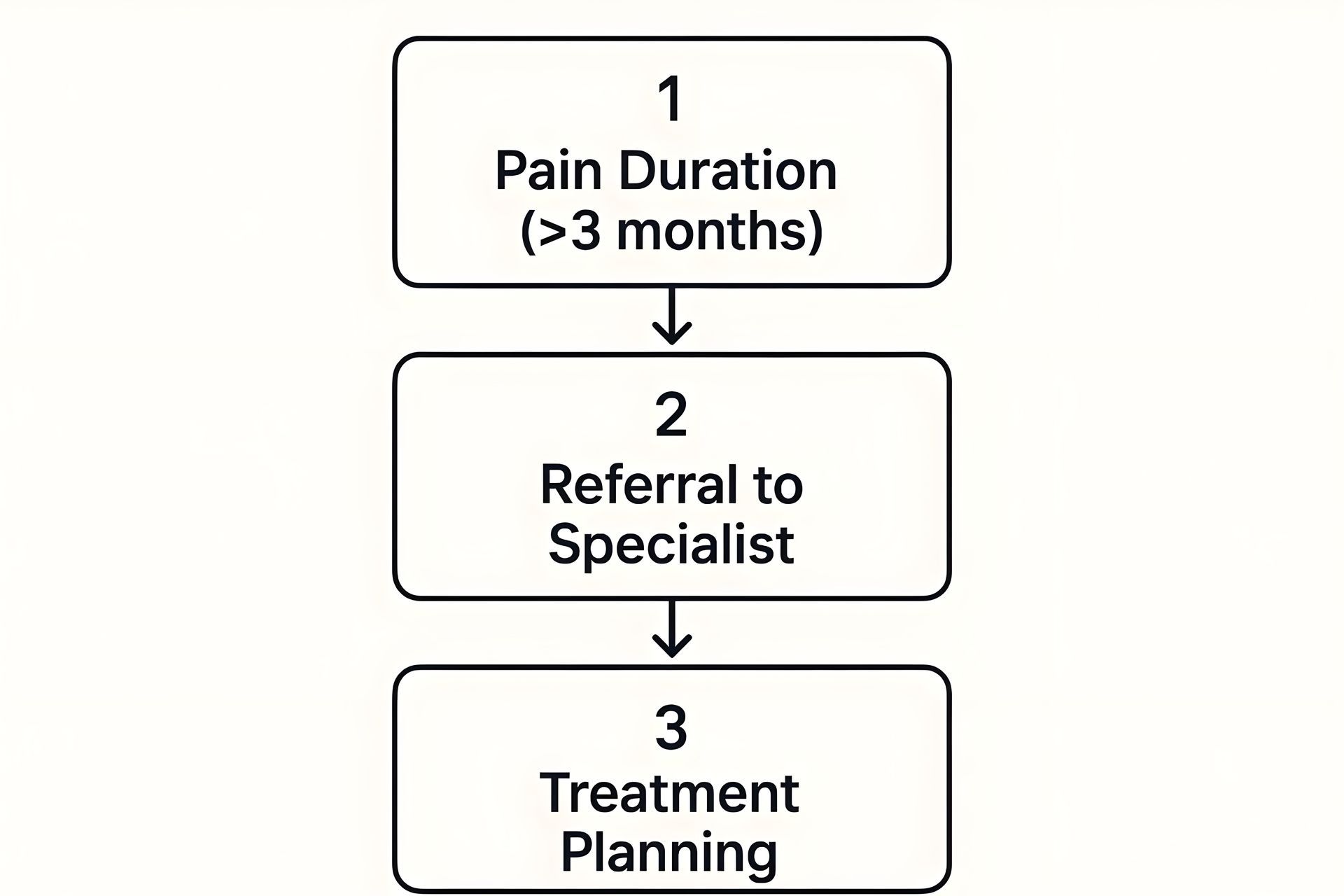
As you can see, recognizing that the pain isn't going away is what kicks off the process of seeking specialized care and creating a real plan for relief.
Navigating State Approval and Timelines
After you hit 'submit' on your application and pay the fee, the Mississippi State Department of Health gets to work reviewing your file. The turnaround is usually pretty quick—most people hear back in about five business days. Once you're approved, you’ll get your electronic medical marijuana card, which is good for one year.
If you want a really deep dive into every single requirement, check out our complete guide on how to get a Mississippi medical marijuana card.
The need for accessible treatment options like this is undeniable, especially in rural areas where chronic pain is often more prevalent. This fact alone shows why making all legal therapies, including medical marijuana, easier to access is so vital for people all across Mississippi.
The entire process, from your first consultation to getting your card, is designed to be clear and manageable. The key is working with a practitioner who knows Mississippi's specific rules inside and out and can guide you confidently through each step.
Successfully getting your card empowers you to access a state-regulated therapy that could truly improve your quality of life. By understanding these steps, you can tackle the application with confidence and get back to focusing on what really matters—finding lasting relief.
Preparing for Your Consultation With a Pain Doctor
Your first appointment with a chronic pain specialist is a huge step. Whether you're meeting in person or through a telehealth call, being prepared is the single best thing you can do to make every minute count. Good communication is the bedrock of a successful partnership, ensuring your doctor truly understands what you're going through to create a plan that actually works for you.
Think about it—the more information you can share, the clearer the picture becomes for your physician. But don't try to rely on your memory alone. The stress of a doctor's visit can make it easy to forget important details. Taking some time beforehand to get your thoughts and medical history organized is a simple move that empowers you to be your own best advocate.
Gather Your Essential Information
Before your visit, pull together a file with your key documents and notes. This small step ensures you can answer questions accurately and completely, giving your doctor the full context needed to make informed recommendations.
Your preparation checklist should include:
- A Detailed Medical History: Make a list of any major surgeries, old injuries, and diagnosed conditions. Don't leave anything out, even if it seems unrelated to your current pain.
- Current and Past Medications: Write down everything. This includes dosages for all prescriptions, over-the-counter drugs, and any supplements you're taking now or have tried for pain in the past.
- A Pain Journal: For at least a week before your appointment, track your pain. Jot down its location, rate the intensity on a scale of 1-10, note what makes it better or worse, and what time of day it seems to peak.
This organized approach helps get the history-taking part of the appointment out of the way quickly, leaving more time to talk about what really matters: your treatment options.
Questions to Ask Your Pain Doctor
A consultation is a two-way street. You're interviewing the doctor just as much as they're evaluating you. Walking in with a list of questions shows you're an active participant in your own healthcare and helps you figure out if their approach is the right one for you.
Consider asking things like:
- What is your typical approach for a condition like mine?
- What is your perspective on integrating therapies like medical marijuana for qualifying patients in Mississippi?
- What are the potential benefits and risks of the treatments you are suggesting?
Your appointment is your chance to build a collaborative relationship. A good chronic pain doctor will welcome your questions and see you as a partner in managing your health.
Chronic pain is a significant health issue in Mississippi. Research often shows that individuals in rural areas report higher instances of chronic pain. These differences highlight just how important it is to find a local specialist who understands these nuances and can provide care that's both accessible and effective.
By preparing thoroughly, you set the stage for a productive appointment. It helps ensure you and your new doctor are on the same page from day one—and that's essential for your long-term care and finding lasting relief. For Mississippians interested in exploring every available option, understanding how to find pain relief with Mississippi medical cannabis doctors can be a valuable part of this conversation.
Your Questions Answered: Finding a Chronic Pain Specialist in Mississippi
Trying to navigate chronic pain care can feel like a maze, and it’s completely normal to have questions. This is especially true here in Mississippi, where getting a clear picture of your options—from specialized doctors to the state's medical marijuana program—is the first step toward finding real relief.
Below, we’ve put together answers to some of the most common questions we hear from residents searching for a "chronic pain doctor near me."
What Chronic Pain Conditions Qualify for Medical Marijuana?
In Mississippi, not just any ache or pain will qualify you for a medical marijuana card. State law is very specific: the pain must be chronic, severe, and intractable. In simple terms, this means it’s a persistent pain that hasn’t gotten better with other treatments. That distinction is critical.
Some of the conditions that often fit this description include:
- Severe arthritis that gets in the way of daily life.
- Neuropathic pain, like the kind caused by diabetic neuropathy or shingles.
- Pain tied to major health issues like cancer, multiple sclerosis, or sickle-cell anemia.
- Debilitating pain from a serious injury or a spinal cord condition.
Before you can even start an application, a qualified practitioner has to officially certify that your specific condition meets the state’s definition of "debilitating."
Do I Need a Referral to See a Pain Specialist?
Generally, no. You don't need a referral from your primary care doctor to see a chronic pain specialist in Mississippi. Most patients can schedule an appointment directly with a pain management provider.
This direct access puts you in the driver's seat of your healthcare journey, letting you seek out specialized care without waiting for permission. Of course, it’s always smart to keep your primary doctor in the loop so they can help coordinate your overall care.
How Does a Telehealth Consultation for Chronic Pain Work?
Telehealth has been a game-changer for connecting people with the right chronic pain doctor. A telehealth visit works almost exactly like an in-person appointment, but it all happens over a secure video call. From the comfort of your own home, you'll discuss your medical history, symptoms, and what you’ve tried in the past with a qualified practitioner.
The biggest win with telehealth is accessibility. It tears down barriers like travel time and mobility issues, making sure anyone in Mississippi—from the Delta to the Gulf Coast—can get expert care. For the initial medical marijuana certification, telehealth is a permitted and incredibly convenient option.
What Should I Do If My Current Pain Treatment Isn't Working?
If your current plan isn’t giving you the relief you need, that’s a clear sign it’s time for a change. Don't just suffer through it—this is the moment to speak up and explore other options.
Seeking a second opinion or consulting with a specialist who brings a fresh perspective is a powerful next step. A dedicated chronic pain doctor can take a new look at your condition, consider alternative therapies, and map out a personalized strategy. This could involve integrating medical marijuana if you have a qualifying condition, adjusting medications, or recommending different interventions.
You should never have to settle for inadequate pain management. Being proactive is the first step toward finding a solution that truly works for you.