Acetaminophen and Kidneys: Risks & Safe Use Explained

When you're dealing with aches and pains, reaching for acetaminophen is almost second nature. But is it safe for your kidneys? For most healthy people, the answer is a reassuring yes—as long as you stick to the recommended dose.
While it's often pointed to as a safer choice for kidney health compared to NSAIDs like ibuprofen, the relationship between acetaminophen and your kidneys is a bit more nuanced than you might think.
The Real Link Between Acetaminophen and Your Kidneys
To really get how any medication impacts your body, you first have to appreciate your kidneys. Think of them as a highly sophisticated, 24/7 filtration plant. Every single minute, they're hard at work processing your entire blood supply, pulling out waste products, extra water, and other impurities to keep your system running clean.
When you take a pill like acetaminophen, it eventually makes its way into this filtration system. Your kidneys then get to work clearing the drug and its byproducts from your bloodstream, sending them on their way out of your body through urine. This is a totally normal process and exactly what your kidneys are built to do.
Understanding Drug-Induced Kidney Strain
However, this constant processing can sometimes put extra stress on the kidneys, something we call drug-induced kidney strain. This doesn't mean the drug itself is "bad." It simply means that under certain circumstances, it can make the kidneys work harder than they should.
Whether or not this happens depends on a few key things:
- The dosage of the medication: Higher amounts create a heavier workload for the kidneys to filter.
- How long you take it: Continuous, long-term use means that filtration system never gets a real break.
- Your underlying health: If you have pre-existing kidney conditions, your system is naturally more vulnerable.
For the average healthy person taking acetaminophen for a tension headache, the impact on the kidneys is minimal. Your body processes it, clears it, and moves on without any trouble. But for someone with existing kidney issues, or for someone who takes high doses day after day, the story can look very different.
The key takeaway here is that risk is all about context. Acetaminophen has an excellent safety profile when used correctly, but it’s not without potential effects—especially when the guidelines are ignored or specific health risk factors are in the mix.
Finding the right way to manage pain often means weighing the pros and cons of different options. Many Mississippians are now exploring alternatives for chronic pain through the state's medical marijuana program. As you learn more about over-the-counter medications, you might also want to see how medical marijuana compares to traditional pain medications to get a complete picture for your own health journey.
How Your Body Handles Acetaminophen
When you swallow an acetaminophen tablet, you’re kicking off a highly organized process inside your body. Think of your liver as the main processing hub—a sophisticated factory floor designed to break down what you consume into smaller, safer components that your body can easily discard.
For the most part, this system is incredibly effective. The liver gets to work, converting the bulk of the acetaminophen into harmless compounds that dissolve in water. From there, they’re sent over to the kidneys, which act as the final filtration step, pulling them from the bloodstream and flushing them out in your urine. When you take the medication as directed, it’s a clean and seamless operation.
But like any industrial process, this one creates a small amount of waste. In this case, it’s a potentially toxic byproduct called N-acetyl-p-benzoquinone imine, or NAPQI for short. This is where a critical safety feature is supposed to kick in.
The Role of Glutathione and NAPQI
Fortunately, your body comes prepared. It keeps a powerful antioxidant on hand called glutathione. As soon as that toxic NAPQI is produced, glutathione steps in to neutralize it on the spot, rendering it completely harmless before it has a chance to damage any cells. It’s an elegant and immediate detoxification process.
The trouble starts when the system gets overwhelmed. If you take too much acetaminophen at once, your liver produces more NAPQI than your supply of glutathione can handle. The safety system is completely overloaded, and that toxic excess starts to build up. This is where the real damage begins, starting with the liver cells but quickly creating a ripple effect that puts your kidneys in jeopardy.
Once the liver is injured, it can’t do its job, forcing the kidneys to work overtime trying to filter a flood of waste and toxins from the blood.
The real danger isn't acetaminophen itself, but the toxic NAPQI byproduct. When an overdose depletes your body's natural defense—glutathione—this toxin starts a cascade of damage that begins in the liver but can seriously harm the kidneys.
This is a good visual of the general path a substance like acetaminophen takes to get cleared from your body.
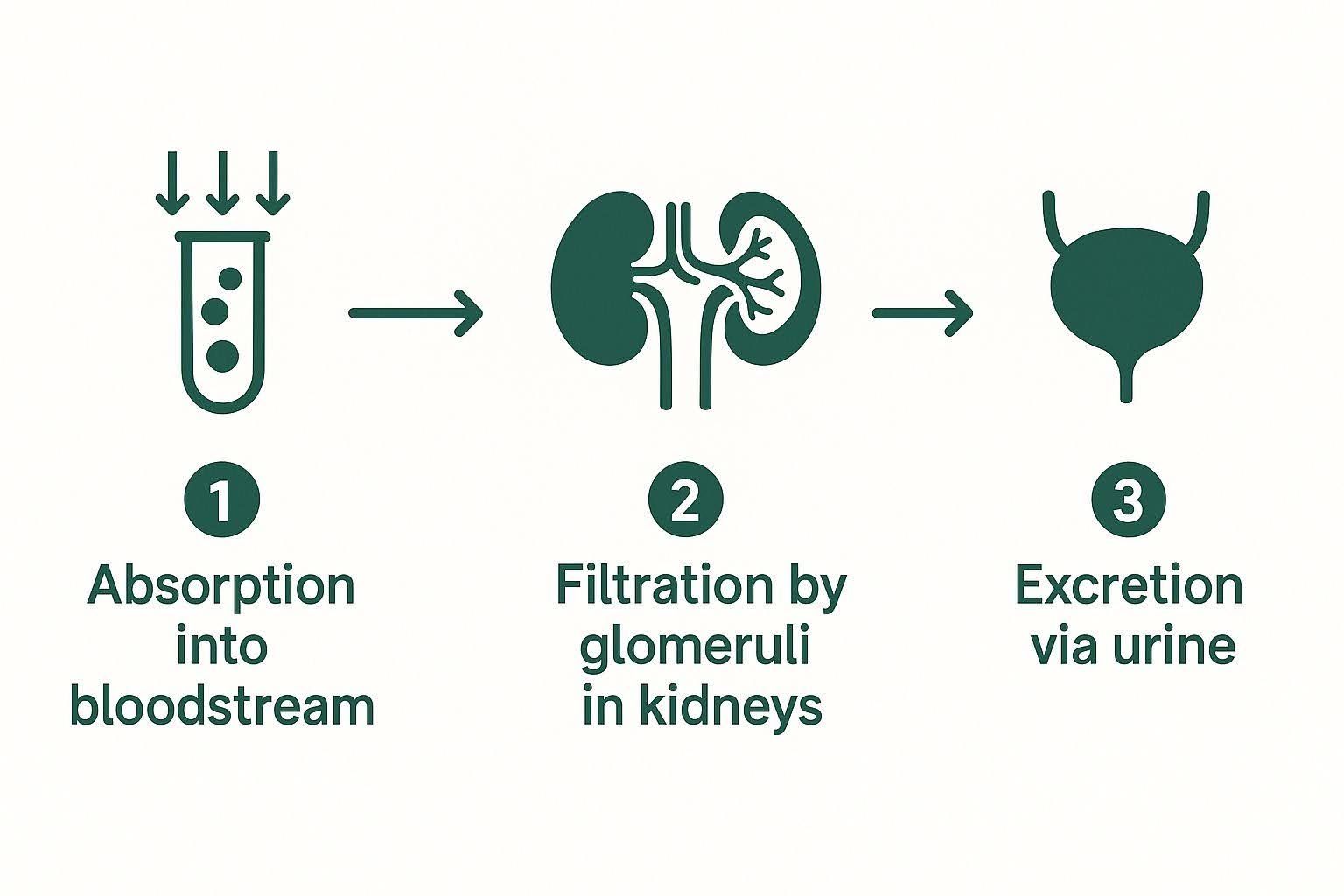
As you can see, the kidneys are the final checkpoint, responsible for filtering everything out of the blood and sending it on its way.
The consequences of pushing this system past its limits can be devastating. A deep dive into FDA data uncovered 1,288 reports of kidney injury linked to acetaminophen in just one year. What’s truly alarming is how fast it happens—often within two days. Even more concerning, the fatality rate for these specific kidney injuries was a shocking 44.43%. You can read the full research about these acetaminophen findings to get a closer look at the data.
Are You at Higher Risk for Kidney Strain?
The standard advice for taking acetaminophen assumes a baseline of good health. But what happens when that's not the case? Certain conditions can change the entire equation, making your body's response to this common pain reliever very different.
Just because you can buy it off the shelf doesn't mean it's one-size-fits-all. Several factors can make your kidneys more vulnerable to strain, and it’s critical to understand your personal risk profile to stay safe.
Pre-Existing Kidney Disease
If you’re already living with chronic kidney disease (CKD), your body’s filtration system is already under pressure. Think of it like a factory running with a smaller crew; it still gets the job done, but it can’t handle a sudden surge in workload.
Taking acetaminophen adds another task to the kidneys' to-do list. For a system already working overtime, this can be the tipping point. People with CKD often clear medications and their byproducts more slowly, leading to a potential buildup that adds even more stress.
Liver Conditions and Alcohol Use
Your liver is ground zero for breaking down acetaminophen. So, if you have liver issues like cirrhosis or hepatitis, that process is seriously handicapped. An impaired liver can’t metabolize the drug properly, which means the toxic byproduct, NAPQI, can accumulate even at standard doses.
Chronic alcohol use throws gasoline on the fire. Alcohol drains your body's supply of glutathione, the antioxidant that’s supposed to neutralize NAPQI. When you combine regular drinking with acetaminophen, you’re essentially removing your body's main defense system. It’s a dangerous setup for your liver and, by extension, your kidneys.
The connection is direct: a compromised liver cannot properly process acetaminophen, creating a downstream crisis for the kidneys which must then handle the toxic overflow.
The Critical Role of Hydration
It’s a simple factor, but dehydration is a major player here. When you don't drink enough fluids, your blood becomes more concentrated. This means the waste products your kidneys have to filter—including the byproducts of acetaminophen—are also more concentrated.
This forces the kidneys to work harder under much tougher conditions. Proper hydration isn't just a wellness tip; it’s essential for helping your kidneys do their job safely and effectively.
Knowing these specific risks empowers you to look beyond the generic warnings on the bottle. Here’s a quick summary of conditions that might put you in a higher-risk category.
Acetaminophen Risk Profile Assessment
This table outlines key factors that can increase the risk of kidney complications from acetaminophen use.
| Risk Factor | Why It Increases Risk | Recommended Precaution |
|---|---|---|
| Chronic Kidney Disease (CKD) | Kidneys have reduced capacity to filter waste and drug byproducts. | Consult a nephrologist before use. A lower dose or alternative may be needed. |
| Liver Disease (e.g., Cirrhosis, Hepatitis) | Impaired liver function prevents proper metabolism, increasing toxic byproducts. | Avoid acetaminophen or use only under strict medical supervision. |
| Chronic Alcohol Use | Depletes glutathione, the antioxidant needed to neutralize the toxic byproduct NAPQI. | Do not mix alcohol and acetaminophen. Be honest with your doctor about your alcohol intake. |
| Dehydration | Concentrates toxins in the blood, forcing kidneys to work harder under stress. | Maintain adequate fluid intake, especially when you are ill or taking medication. |
| Advanced Age | Kidney function naturally declines with age, making seniors more vulnerable. | Start with the lowest possible dose and discuss long-term use with a healthcare provider. |
Understanding your personal health landscape is the first step. It helps you recognize why standard dosage advice might not apply to you and why a conversation with your doctor is always the best path forward for managing pain safely.
Sticking to Safe Acetaminophen Dosage Guidelines
When it comes to using acetaminophen safely, knowledge is your best defense. The dosage guidelines aren't just arbitrary numbers—they're based on your liver's very real, very limited capacity to process the drug and its toxic byproduct, NAPQI. Respecting these limits is absolutely critical for preventing a cascade of damage that can harm both your liver and, as we've seen, your kidneys.
For most healthy adults, the maximum recommended daily dose is 4,000 milligrams (mg). Think of this as an absolute ceiling, not a daily goal. In fact, many healthcare professionals now advise staying under 3,000 mg per day to build in a wider safety margin, especially if you're using it for more than a day or two. This isn't overcautious advice; it’s a direct response to growing evidence linking acetaminophen use to kidney strain.
One major study drove this point home, finding that people using acetaminophen had 23% higher odds of developing new kidney problems compared to those who didn't. You can discover more insights about these findings on kidney impairment for yourself and see just how vital mindful dosing is.
The Hidden Danger of Combination Products
One of the sneakiest ways people get into trouble isn't from intentionally taking too many pills for pain, but from accidentally taking too much from different sources. Acetaminophen is a key ingredient in countless over-the-counter products for colds, the flu, sinus pressure, and even sleep aids. It's incredibly easy to take a couple of tablets for a headache and, a few hours later, grab a cold remedy without realizing you've just doubled your dose.
The most common path to an accidental overdose is by taking multiple products that each contain acetaminophen. Always read the "Active Ingredients" section on every medicine label before you take it.
To avoid this all-too-common trap, you have to become a label detective. Look for the word "acetaminophen" or its abbreviations, like "APAP," "AC," or "Acetamin." Before you take anything, get into the habit of keeping a running mental tally of the milligrams you’ve taken all day. This simple habit can be the difference between relief and a serious health crisis.
How Doses Change for Higher-Risk Individuals
If you have any of the risk factors we've discussed—like existing liver disease, kidney issues, or you drink alcohol regularly—the standard dosage guidelines simply do not apply to you. Your body's ability to process acetaminophen is already compromised, and the margin for error is much smaller.
- For anyone with liver or kidney conditions: Your doctor will almost certainly recommend a much lower daily limit, often no more than 2,000 mg.
- For those who drink alcohol regularly: It's vital to have an honest conversation with your doctor about a safe dosage. Your glutathione levels may already be running low, leaving you more vulnerable.
In the end, safe use comes down to awareness. Understanding the maximum dose, checking every single label, and knowing your personal risk factors are the keys to using this common pain reliever without putting your kidneys on the line.
Recognizing the Warning Signs of Kidney Distress

When your kidneys are in trouble, they don’t always shout—they often whisper. It’s up to us to listen. Learning to recognize these subtle but distinct signals is one of the most important things you can do, especially when taking medications that can affect them.
Catching these issues early can make all the difference, stopping a small problem from turning into a serious health crisis.
Acute kidney injury (AKI) can come on fast, and its symptoms can feel completely unrelated to your kidneys. It’s easy to dismiss them as something else. This is why paying close attention to how you feel after taking acetaminophen is such a critical part of using it safely. Your body might be trying to tell you something isn't right.
Physical Symptoms You Can See and Feel
Some of the clearest red flags are physical changes you can actually see or feel. These signs pop up when your kidneys start struggling with their main jobs: filtering out waste and balancing the fluids in your body.
When your kidneys can't get rid of excess fluid, it has to go somewhere. This often leads to a few tell-tale signs:
- Swelling in the legs, ankles, or feet: Doctors call this edema. It’s that puffy, swollen feeling that happens as gravity pulls all that extra, retained fluid downward.
- A noticeable drop in urination: This is a big one. If you're drinking your normal amount of fluids but find you're going to the bathroom less often or producing smaller amounts, it’s a direct sign your kidneys aren’t filtering like they should be.
- Persistent fatigue and weakness: As toxins and waste build up in your bloodstream, they can leave you feeling completely drained and exhausted for no good reason.
If you notice any sudden swelling, a significant change in how often you urinate, or a wave of unexplained fatigue after taking acetaminophen, it's time to get immediate medical attention. These are not symptoms you should ever ignore.
Other critical signs to watch for include nausea or vomiting that just won't quit, shortness of breath from fluid building up in the lungs, or even confusion and brain fog. These more serious symptoms mean the waste products are starting to affect other systems in your body, including your brain.
Being vigilant about these warning signs empowers you to act fast and protect your health.
When You Should Talk to Your Doctor
Taking charge of your own health means knowing when it’s time to bring in the experts. Acetaminophen is a go-to for so many of us, but that doesn't mean it’s the right call for every person in every situation. A simple, proactive conversation with your doctor is one of the best ways to protect your well-being—especially the long-term health of your kidneys.
For some folks, this conversation is absolutely non-negotiable. If you've been diagnosed with any kind of kidney or liver disease, your body’s entire system for processing medications is already working differently. Standard dosage advice just might not apply to you. The same goes if you’re taking other medications, especially blood thinners; you need to get a clear picture of potential interactions before adding acetaminophen to your routine.
Preparing for a Productive Conversation
Walking into your doctor’s office with a few specific questions is the best way to walk out with clear, actionable advice. Don't be afraid to be direct—this is your health we're talking about.
Here are a few great questions to get the ball rolling:
- Based on my health history, what's a truly safe daily dose of acetaminophen for me?
- What are some of the best pain relief alternatives you'd recommend in my situation?
- Are there any specific symptoms I should be watching for that might signal a problem?
This kind of proactive mindset empowers you to build a pain management plan that's both effective and safe for your unique body. For example, some people in Mississippi with chronic conditions are exploring medical marijuana as part of a structured program. It's crucial to understand how different substances work together, which includes knowing things like how THC might affect antibiotics.
Having an open dialogue with your healthcare provider transforms you from a passive patient into an active partner in your own health. It ensures that your pain relief strategy aligns with keeping your entire body, including your kidneys, safe.
While the connection between acetaminophen and kidneys definitely calls for caution, it's helpful to look at what the research says. One study involving over 1,800 patients found no statistically significant jump in the risk for acute kidney injury (AKI) from acetaminophen use, once other factors were accounted for. These findings back up the general view that it’s a safe option when used correctly. You can learn more about these clinical findings and see the data for yourself.
Common Questions About Acetaminophen and Kidney Safety
Navigating the world of over-the-counter pain relief can bring up a lot of questions, especially when it comes to protecting your kidneys. Let's clear up some of the most common concerns about the connection between acetaminophen and your long-term health.
Is Acetaminophen Safe with Chronic Kidney Disease?
If you're already living with chronic kidney disease (CKD), your body's ability to filter out medications is compromised. While acetaminophen is often preferred over NSAIDs for people with CKD, it is not automatically safe. The standard dosage you see on the bottle likely doesn't apply to you.
It is absolutely critical to talk with your nephrologist or primary care doctor before taking it. They are the only ones who can determine a safe dose based on your specific level of kidney function—or they may tell you to avoid it altogether.
Which Is Safer for Kidneys: Acetaminophen or Ibuprofen?
This is a really common and important question. In general, for short-term use in people with healthy kidneys, acetaminophen is considered the safer option. Its journey through the body is primarily handled by the liver, so it has less of a direct impact on the blood vessels that supply the kidneys.
NSAIDs like ibuprofen, on the other hand, work by blocking chemicals called prostaglandins. The trouble is, these same chemicals help keep the blood flowing freely to your kidneys. For someone with existing kidney issues or other risk factors, blocking them can lead to a sudden, acute kidney injury.
For kidney health, acetaminophen is typically the preferred choice over ibuprofen when used at the correct dose for a short duration. However, an overdose of acetaminophen can cause severe liver damage, which then leads to a secondary, but very serious, kidney injury.
How Quickly Can Acetaminophen Cause Kidney Problems?
Kidney damage from acetaminophen isn't something that happens from normal, recommended use. It's almost always linked to a significant overdose. When that happens, the liver is the first organ to get hit hard. The resulting kidney injury can happen incredibly fast—sometimes within 24 to 48 hours.
This is a domino effect. The failing liver starts releasing toxins into the bloodstream, and the kidneys become completely overwhelmed trying to clean up the mess. It's a stark reminder of why you should never exceed the maximum daily dose and always double-check for hidden acetaminophen in other medications.
For those looking into different approaches, understanding
pain management without opioids can open up valuable alternative strategies to discuss with a healthcare professional. For Mississippians considering all their options for chronic pain, obtaining a medical marijuana card may be part of that conversation.
At
Pause Pain and Wellness, we provide Mississippi residents with the guidance and support needed to access medical marijuana for qualifying conditions. Our healthcare providers are here to help you through every step of the process. Find out if you qualify by visiting us at
https://pausethepain.com.