Natural Detox from Marijuana for Mississippi Residents | Safe & Effective

For many folks with a Mississippi medical marijuana card, a natural detox isn't about passing a test—it's a proactive step in their wellness journey. Think of it as hitting the reset button. Taking a planned "tolerance break" can actually enhance the plant's therapeutic benefits when you return to it. The whole idea is to work with your body's amazing, built-in cleansing system, not against it.
Understanding Your Body's Natural Detox Process
If you're using medical marijuana in Mississippi, getting to know how your body handles cannabinoids is key to making your treatment plan work best for you. A tolerance break isn't a frantic purge; it's a gradual, supportive process that lets your system recalibrate, potentially making your medical marijuana more effective when you resume. It's all about respecting your body's natural rhythm.
The science here is pretty cool. When you use marijuana, compounds like THC enter your system and interact with a vast network of receptors. This network, known as the endocannabinoid system, is fundamental to how marijuana works. If you want to dive deeper into this, our guide on https://pausethepain.com/blog/what-is-the-endocannabinoid-system/ is a great place to start.
How Your Body Metabolizes THC
Here's the most important thing to understand: THC is fat-soluble. This isn't just a random science fact; it's the whole reason detox takes time. Unlike water-soluble compounds that your body flushes out quickly, THC and its metabolites get stored in your fat tissues and organs.
From there, they're slowly released back into your bloodstream. This slow-drip process is why THC can be detected in your system long after the noticeable effects have faded. Your liver does the heavy lifting, breaking down THC into various metabolites that are eventually eliminated, mostly through your stool and urine.
This biological reality means there are no magic pills or instant fixes for a true detox. Your body already has a methodical system in place. The best, most effective way to detox is simply to support what your body is already trying to do.
The Timeline for Natural Elimination
So, how long does it take? The honest answer is: it depends. The timeline for your body to completely clear THC is unique to you, and for medical patients in Mississippi, knowing this helps set realistic goals for a tolerance break.
Several key factors are at play:
- Frequency of Use: How often you use medical marijuana as part of your treatment plan matters a lot. Daily use builds up more reserves than occasional use.
- Body Composition: Because THC is stored in fat, your body fat percentage directly influences how much can be stored.
- Metabolism: Everyone's metabolic "engine" runs at a different speed, affecting how quickly compounds are processed and cleared.
The goal of a natural detox is to eliminate the primary metabolite, THC-COOH, which loves to hang around. For chronic or heavy users, it's not uncommon for cannabinoids to be detectable in urine for up to 30 days or even longer after stopping. This extended window is a direct result of those metabolites being slowly released from fat cells, delaying their final exit from your system.
How Long Will THC Stay In Your System?
If you're a medical marijuana patient in Mississippi thinking about a tolerance break, one of the first questions you probably have is, "How long will this take?" It's a fair question, but the answer isn't a simple one. There's no magic number because everyone’s body is different.
Think of it less like a race with a set finish line and more like a personal wellness journey. Your timeline is unique to you, shaped by your medical marijuana routine, your metabolism, and even your body type. Forget those myths about overnight "cures"—the best approach is to understand the science and set realistic goals for yourself.
The Factors That Shape Your Detox Timeline
Why does THC stick around for so long? The main reason is that its metabolites are lipophilic, which is a fancy way of saying they love to bind to fat cells. Once they're stored there, your body releases them slowly back into your bloodstream to be filtered out. This gradual release is what causes the extended detection window.
Several key factors will directly influence how quickly your body clears everything out:
- Your Usage Routine: Someone using medical marijuana daily for chronic pain will have a much longer detox timeline than a person who uses it just a few times a month. More frequent use means more metabolites build up in your body’s fat tissues.
- Body Composition: Because THC metabolites are stored in fat, individuals with a higher body fat percentage will naturally hold onto them for longer. It simply takes more time for those stored compounds to be released and processed.
- Metabolic Rate: Your metabolism is your body's engine. A faster metabolism will burn through and eliminate substances, including THC metabolites, more efficiently than a slower one.
This is where simple habits, like staying hydrated, become so important for supporting your body's natural detoxification pathways.
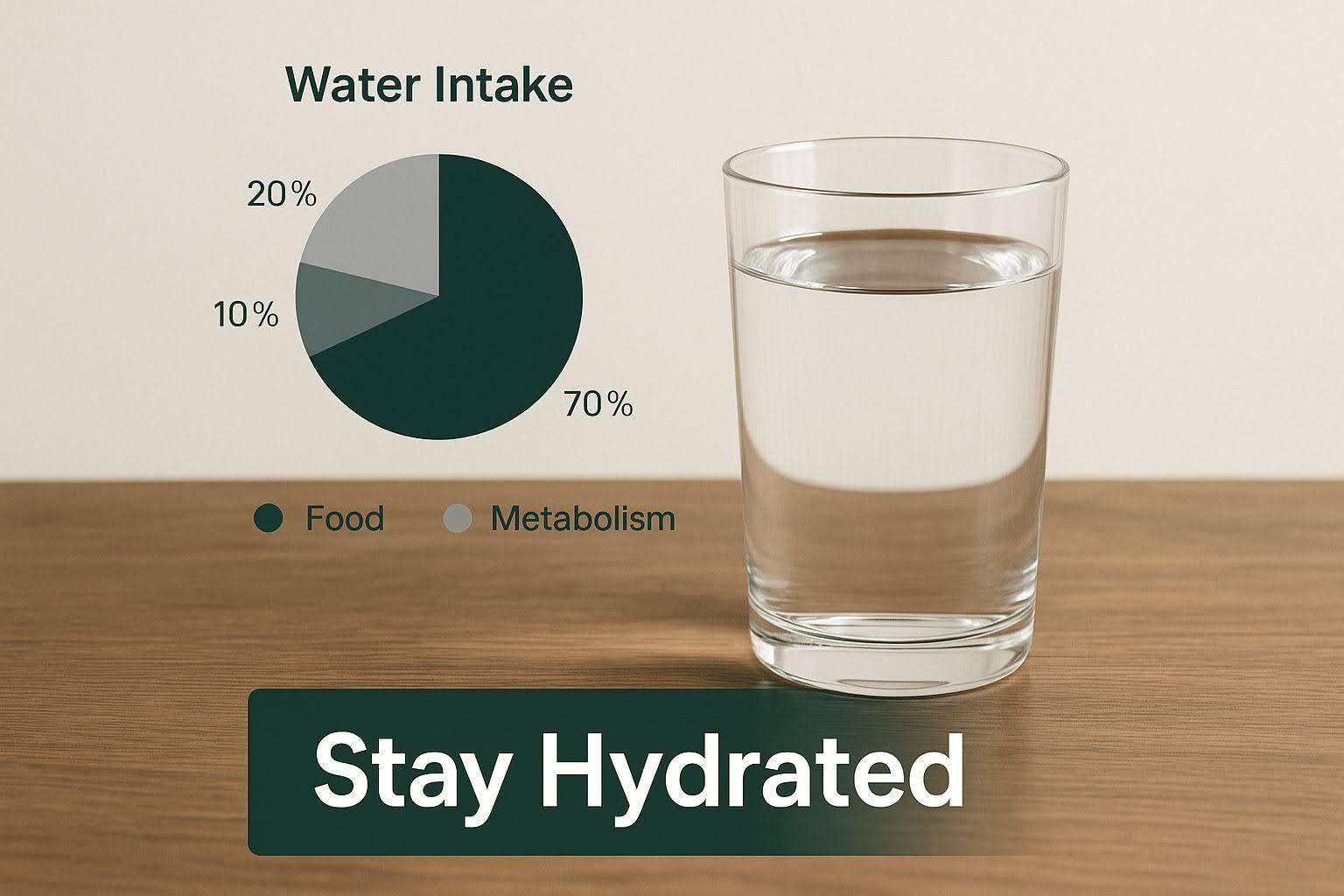
While it won't single-handedly flush your system overnight, consistent hydration is a cornerstone of helping your body move metabolites out through the urinary tract.
General Timelines Based on How Often You Medicate
While your personal timeline will vary, we can look at some general estimates based on common usage patterns. Think of these as helpful benchmarks to guide your planning, not as strict deadlines.
It's worth remembering that for a medical user in Mississippi, the real goal of a break is usually to reset your tolerance and improve the effectiveness of your treatment—not just to hit a "clean" test by a certain date.
The following table provides estimated timelines for THC to become undetectable in urine for different types of medical marijuana users.
Estimated Natural Detox Timelines by Usage Frequency
| Usage Frequency | Estimated Detection Window |
|---|---|
| Occasional Use (1-3 times/week) | 3 to 7 days |
| Moderate Use (4-5 times/week) | 15 to 21 days |
| Daily Use (Once per day) | 30 days or more |
| Heavy Daily Use (Multiple times/day) | 45 to 90 days |
For very heavy, long-term users, the timeline can stretch out to 45 to 90 days because of the significant accumulation of metabolites in fat stores over months or years.
It’s also good to know that not all cannabinoids are processed the same way. If you’re curious about the finer details, you can explore THCA vs. THC detection times and potential benefits in our other guide. The more you understand about how your body interacts with different compounds, the more empowered you'll be to manage your wellness effectively.
Fueling Your Body for a Natural Cleanse

As a Mississippi medical marijuana patient, what you eat and drink plays a huge role in how your body naturally cleanses itself. We're not talking about a quick-fix gimmick here. This is about giving your system the right tools to work at its best, especially if you're taking a planned tolerance break to get more out of your treatment.
Think of it like this: you wouldn't put cheap gas in a high-performance engine and expect it to run well. The same goes for your body. A diet built on whole foods, antioxidants, and fiber helps fire up the metabolic processes that break down and eliminate substances, including THC metabolites.
Hydration: The Cornerstone of Your Cleanse
Water is non-negotiable for any kind of natural detox. It’s the highway your body uses to move nutrients where they need to go and, more importantly, to flush waste products out through your kidneys. Staying consistently hydrated keeps this internal transportation system from getting gridlocked.
There's a persistent myth that chugging gallons of water will instantly flush THC out of your system. While being hydrated is vital, going overboard won't magically speed things up. Your body can only process so much fluid at once, and the real limiting factor is the slow, steady release of THC metabolites from your fat cells.
So, what's the goal? Aim for consistent, steady sips throughout the day. A good starting point for most people is about eight 8-ounce glasses, but you’ll likely need more depending on your activity level and the Mississippi heat. If you're curious about how marijuana use itself affects hydration, you can dig into the evidence on whether cannabis can dehydrate you.
Foods That Support Your Body's Natural Detox
Loading up your plate with certain nutrient-dense foods can give your body a real advantage. The idea is to focus on things that are easy to digest and packed with the vitamins, minerals, and compounds that support your liver—the main organ in charge of metabolizing everything.
Here are the food groups to really focus on:
- Antioxidant-Rich Fruits: Think berries (blueberries, strawberries), citrus fruits, and dark grapes. These are full of antioxidants that help protect your cells from stress.
- Fiber-Packed Vegetables: Leafy greens like spinach and kale, plus broccoli and artichokes, are your best friends. Fiber is crucial for good digestion and helps move waste out of your system.
- Lean Proteins: Chicken, fish, and beans provide the essential amino acids your liver needs to do its detoxification job. Plus, they keep you feeling full and energized.
- Healthy Fats: Don't shy away from fats! Avocados, nuts, and olive oil provide healthy fats that support overall cell function without bogging down your metabolism.
Choosing the right foods isn't about feeling restricted; it's about feeling empowered. By nourishing your body with these whole foods, you're taking an active role in your wellness and supporting the very systems that help you feel your best.
Building a Supportive Nutritional Plan
You don't need to overhaul your entire life overnight. Small, consistent changes are what really make a difference. Swapping a bag of chips for a handful of almonds or just adding a side of steamed veggies to dinner are simple, powerful moves.
A lot of natural detox advice comes down to lifestyle choices that make the process smoother. Good hydration is always at the top of the list because it supports your kidneys in excreting toxins. A balanced, healthy diet is also vital for your liver, which does the heavy lifting of metabolizing THC.
Here are a few easy ways to get started:
- Start with a Smoothie: Blend some spinach, a banana, and a scoop of blueberries with water or almond milk. It's a fantastic, nutrient-packed way to start your day.
- Snack Smart: Keep fresh fruit, raw veggies, or a small bag of mixed nuts with you. This way, you're prepared when hunger hits.
- Eat the Rainbow: Try to get a variety of colorful fruits and vegetables on your plate at every meal. Different colors usually mean different vitamins and antioxidants.
By focusing on these nutritional fundamentals, you’re laying a solid foundation for your body's natural cleansing process. This approach helps you get the most out of your medical marijuana treatment plan right here in Mississippi.
Tweaking Your Daily Routine for Better Results
What you eat is only half the battle. Your day-to-day habits have a massive impact on how well your body functions, and this is especially true when you're taking a tolerance break as a Mississippi medical marijuana patient. We're not talking about a total life overhaul here. The idea is to weave in some simple, sustainable habits that support your body’s natural detox pathways.
It all starts with getting your body moving. There's a direct connection between exercise, burning fat, and clearing out THC. Remember how THC metabolites love to hang out in your fat cells (adipose tissue)? Well, when you exercise, you’re essentially telling your body to burn that fat for fuel. As the fat breaks down, those stored metabolites are released back into your bloodstream, where your liver and kidneys can finally grab them and show them the door.
This isn't an overnight fix, of course. One trip to the gym won't do it. But consistent, moderate activity definitely speeds up the process over time.
How to Get Moving the Right Way
The key is finding the right kind of movement. You want something that gets your heart rate up and maybe even makes you sweat a little—sweating is another, albeit minor, way your body gets rid of waste. You're aiming to gently nudge your metabolism, not shock your system into overdrive.
Here are a few great ways to do just that:
- Go for a Run (or a Walk): Good old-fashioned cardio is your best friend here. Think brisk walking, jogging, cycling, or swimming. Try to get in at least 30 minutes most days of the week. Taking a hike through one of Mississippi's scenic state parks is a perfect way to make it feel less like a chore.
- Try High-Intensity Interval Training (HIIT): HIIT workouts involve short, intense bursts of effort followed by quick rest periods. They are incredibly effective at torching fat and giving your metabolism a serious kickstart.
- Lift Some Weights: Building more lean muscle actually increases how many calories (and fat) your body burns while you're just sitting around. It's a long-term investment in a faster metabolism.
Now, here’s a crucial pro-tip on timing. While regular exercise is fantastic for the long haul, you absolutely want to avoid any intense workouts for 24-48 hours right before a potential screening. Why? A tough session can flood your system with metabolites released from your fat stores, causing a temporary spike in your urine concentration. It’s the last thing you want.
Don't Underestimate Sleep and Stress
Detox isn't just about what you do when you're awake; what happens when you're asleep is just as important. Your mental state plays a huge role, too. High stress levels can throw your hormones out of whack and slow your metabolism down, while skimping on sleep hobbles your body's ability to repair itself.
Your body does its best cleanup work while you're sleeping. It's when your brain and organs clear out metabolic junk, fix tissues, and balance the very hormones that manage your metabolism and stress response.
You have to make sleep a priority. Aim for a solid 7-9 hours of quality rest each night. It helps to create a wind-down routine, like putting your phone away an hour before bed and picking up a book instead. It’s a simple signal to your body that it's time to shut down.
Likewise, you need to get a handle on stress. When you're constantly stressed, your body is swimming in cortisol, a hormone that tells your body to slow metabolism and store more fat—the exact opposite of what you’re trying to achieve.
Finding healthy ways to unwind can change the game. Try these simple techniques:
- Mindful Breathing: Taking just a few minutes for slow, deep breaths can instantly calm your nervous system.
- Get Outside: There's something incredibly calming about a quiet walk. Head to a local Mississippi park and just soak in the nature.
- Practice Mindfulness: Apps or simple meditation exercises can help you stay grounded in the present moment, cutting through anxiety and making this whole process feel much smoother.
By bringing these simple habits into your life, Mississippi medical marijuana cardholders can create the perfect internal environment for their bodies to work efficiently. This isn't just about a quick cleanse—it's about building a healthier foundation so you can get the most therapeutic benefit from your treatment plan long-term.
How to Manage Withdrawal Symptoms Naturally
Deciding to take a planned tolerance break is a smart move for any Mississippi medical marijuana patient looking to get the most out of their treatment. But let's be real—changing up your routine can sometimes bring a little temporary discomfort. Knowing what to expect and having some natural strategies up your sleeve can make the whole process feel a lot smoother.
Everyone's experience is different, but you might notice some temporary shifts in your mood, sleep, or even how hungry you feel. This is completely normal. It’s just your body's endocannabinoid system hitting the reset button. The trick is to support yourself gently through this phase, not fight against it.
What to Expect: Common Withdrawal Symptoms
When you press pause on medical marijuana, some people experience what's known as marijuana withdrawal syndrome (CWS). This isn't a moral failing; it's just a physiological response. Your body has gotten used to cannabinoids, and now it's adjusting to their absence.
With an estimated 209 million users around the globe, it's a common conversation. While not everyone who uses marijuana develops a dependence, a major meta-analysis found that a surprising 47% of regular users felt withdrawal symptoms after stopping. If you want to dive deeper into the data, you can read the full research on withdrawal prevalence.
So, what might you feel?
- Irritability or anxiety: It's common to feel a bit more on edge or wound up than usual.
- Sleep troubles: You might toss and turn a bit more or find it hard to get a full night's rest.
- Appetite changes: Some people find they just aren't as hungry for a little while.
- Restlessness: That feeling of not being able to sit still or get comfortable can pop up.
The good news is these symptoms are usually mild and tend to fade within a week or two as your body finds its new normal.
Natural Strategies for Easing Into It
The goal here is to be kind to your body and mind during this adjustment. There are plenty of simple, effective, and all-natural ways to handle any discomfort, turning your tolerance break into a genuinely restorative time.
Think of this as an opportunity to really listen to your body. When you give it calming inputs and stick to a routine, you’re helping it find its balance again.
A fantastic starting point is incorporating calming herbal teas into your day. Chamomile, peppermint, and lavender are famous for their soothing effects. A warm cup about an hour before bed can be a powerful signal to your brain that it’s time to unwind, making it easier to drift off to sleep.
Keeping a consistent sleep schedule is another game-changer. Try to hit the pillow and wake up around the same time each day—yes, even on weekends. This helps regulate your body's internal clock, or circadian rhythm, which can dramatically improve your sleep quality.
Gentle Activities That Help You Unwind
When you’re feeling irritable or restless, gentle and relaxing activities can work wonders. This isn't the time for a high-intensity workout. Instead, it's about finding your center.
Something as simple as a slow walk through one of Mississippi's beautiful state parks can be incredibly grounding. Gentle yoga or a few minutes of meditation can also calm a racing mind.
Deep breathing is a superpower you can use anywhere. The next time you feel a wave of anxiety, just pause. Take five slow, deep breaths, and feel how it calms your nervous system almost instantly. For more great ideas, check out our guide on 5 relaxation techniques to try when you're anxious.
By leaning on these natural, supportive strategies, any Mississippi medical marijuana patient can navigate a tolerance break with confidence, making sure it aligns perfectly with their overall wellness goals.
Common Questions About Marijuana Detox
If you're a Mississippi medical marijuana patient thinking about a tolerance break or a natural cleanse, you've probably got a few questions. That's completely normal. Even though the process is really about letting your body do its thing, it’s smart to get clear on what to expect.
Let's cut through the noise and get you some straight answers. The whole point is to support your health and get the most out of your medical marijuana plan, so understanding the details helps you set realistic goals.
Will 'Detox Kits' Speed Up The Natural Process?
You've probably seen them online or in smoke shops—products promising a quick fix for detoxing from marijuana. The hard truth? Most of them are pretty questionable. Their effectiveness is rarely proven, and many just work by diluting your urine, which can easily be flagged in a screening.
The best path is always the natural one. Focusing on a healthy diet, staying well-hydrated, and getting regular exercise gives your body what it needs to clear things out on its own. These habits support your metabolism, which is what actually does the heavy lifting of processing and eliminating THC metabolites.
Relying on your body's built-in systems is always the safest and most effective strategy. Quick fixes often mask the issue rather than supporting the underlying biological process of elimination.
How Does My Body Composition Affect My Detox Timeline?
This is a big one. Your personal body composition is probably the single most important factor in how long a natural cleanse will take. THC metabolites are fat-soluble, which is just a scientific way of saying they get stored in your body's fat cells (adipose tissue).
What does that mean for you? If you have a higher body fat percentage, you're likely to store these metabolites for a longer time. They get released slowly from those fat cells back into your bloodstream to be filtered out. This is exactly why there's no magic one-size-fits-all timeline—it's incredibly personal and depends entirely on your unique biology.
Why Would A Mississippi Medical Marijuana Patient Need A Tolerance Break?
Excellent question. For anyone using marijuana therapeutically, a planned tolerance break isn't about stopping your treatment—it's about making it work better for you in the long run. Think of it as a strategic reset.
Over time, with consistent use, your body can build up a tolerance. You might notice that you need a higher dose to get the same relief for your qualifying condition that you used to get with less.
Taking a deliberate break gives your body’s cannabinoid receptors a chance to reset. This can effectively lower your tolerance. When you return to your treatment plan, you’ll likely find that smaller doses are much more effective, which improves the therapeutic benefits and makes your plan more sustainable. It’s a proactive way to keep your medical care working for you.
At
Pause Pain and Wellness, we provide Mississippi residents with expert guidance on managing their health with medical marijuana. If you have questions about obtaining your medical card or optimizing your treatment plan, we are here to help. Learn more about our supportive, patient-first approach at
https://pausethepain.com.