Effective Anxiety Treatment Without Medication in Mississippi
If you’re looking for anxiety treatment without medication, you’re not alone. Many people in Mississippi want powerful, evidence-based options that don't rely on pharmaceuticals, and the good news is, they exist.
Effective strategies often bring together a few key elements: proven therapeutic techniques, practical lifestyle changes, and simple mindfulness practices. For some people in Mississippi with qualifying conditions, medical Marijuana can also fit into a carefully managed care plan as a beneficial tool. The goal is to build lasting mental wellness from the ground up.
Your Path to Managing Anxiety Naturally
Anxiety is one of the most common mental health challenges we face, but a lot of people hold back from seeking help—especially if they want to avoid medication. A calmer, more fulfilling life is entirely possible when you have the right tools to address the root causes of anxiety. This guide is here to walk Mississippians through those very strategies.
Think of it less like a one-size-fits-all prescription and more like building your own personalized toolkit. It might involve learning new coping skills in therapy, tweaking your daily routine to support your nervous system, or exploring integrative options available in Mississippi. Each small step builds on the last, creating a solid foundation for long-term emotional well-being.
Building a Foundation for Calm
The first step toward relief is understanding just how common this is. In the United States, Generalized Anxiety Disorder (GAD) affects about 6.8 million adults, but only 43.2% of them get any kind of treatment. With so many people unable to tolerate—or simply preferring not to use—medication, these non-pharmacological approaches are absolutely essential.
To give you a clear roadmap, this guide will focus on four key pillars of managing anxiety naturally within Mississippi:
- Foundational Therapy: Learning to reframe anxious thoughts and build real resilience.
- Lifestyle Adjustments: Using diet, exercise, and sleep to stabilize your mood.
- Mindfulness Practices: Simple tools for immediate, in-the-moment relief when anxiety spikes.
- Medical Marijuana: Understanding its specific role and positive effects for qualifying patients here in Mississippi.
By combining these methods, you can build a strong, reliable support system for your mental health. A great place to start is by exploring some proven anxiety management strategies to see what feels right for you. Taking control of your anxiety without medication is all about building skills and habits that empower you for life.
To make these concepts easier to navigate, we've put together a quick overview of the non-medication treatments we'll be discussing. Think of this as your at-a-glance reference for the different paths available.
Overview of Non-Medication Anxiety Treatments
| Treatment Type | Primary Focus | Best For |
|---|---|---|
| Therapy Modalities | Restructuring thought patterns, processing trauma, and building coping skills. | Individuals seeking structured, long-term strategies to address the root causes of anxiety. |
| Lifestyle Changes | Stabilizing the nervous system through nutrition, exercise, and sleep hygiene. | Anyone looking for foundational daily habits that support overall mental and physical wellness. |
| Mindfulness | Grounding in the present moment to reduce the intensity of anxious feelings. | People needing immediate, in-the-moment tools to manage panic attacks or overwhelming stress. |
| Medical Marijuana | Symptom relief for qualifying medical conditions under a practitioner's care. | Mississippi patients with specific debilitating conditions seeking a complementary treatment option. |
Each of these approaches offers a unique way to tackle anxiety. By understanding what each one does best, you can begin to piece together a plan that feels right for your specific needs and lifestyle. Now, let’s dive deeper into each of these pillars.
Building Skills with Foundational Therapy
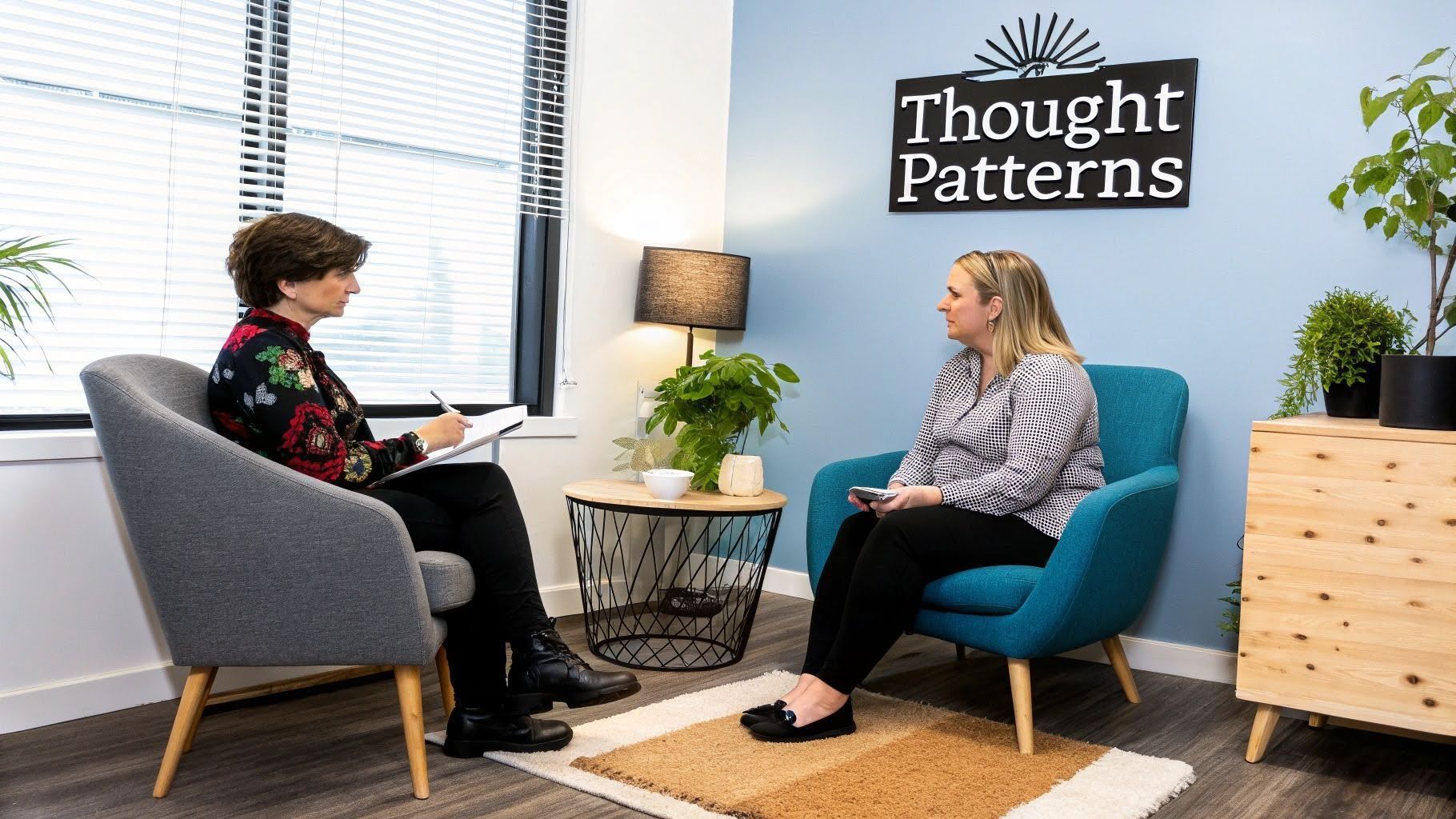
When it comes to anxiety treatment without medication, therapy is the bedrock. It’s so much more than just talking about your problems; it’s an active, hands-on process where you learn practical skills to manage your thoughts and emotional reactions. Working with a professional helps you build a personalized toolkit for resilience that you can carry with you for life.
Think of a good therapist as a personal trainer for your mind. A trainer shows you where your form is weak and gives you exercises to build targeted strength. In the same way, a therapist helps you spot the unhelpful thought patterns that are fueling your anxiety and teaches you real techniques to challenge and reshape them.
This entire approach is about empowerment. Instead of feeling like you're just reacting to anxiety whenever it decides to show up, you learn how to proactively manage its triggers and dial down its intensity over time. It’s a skill, and like any skill, it gets stronger with practice.
Cognitive Behavioral Therapy Explained
One of the most trusted and effective methods out there is Cognitive Behavioral Therapy (CBT). This evidence-based approach is built on a straightforward idea: your thoughts, feelings, and behaviors are all connected. An anxious thought—like, "I'm going to completely fail this presentation"—triggers physical feelings of anxiety (like a racing heart) and can lead to avoidance behaviors (like calling in sick).
CBT helps you step in and break that cycle. A therapist guides you to identify those automatic negative thoughts and really examine them. Is there actual evidence for that thought? Or is it just a story you're telling yourself? You learn to reframe those thoughts into more balanced and realistic ones, which naturally calms your emotional and physical response.
At its core, CBT teaches you to challenge the internal stories that keep anxiety alive. It’s about learning that while you can't always control the first thought that pops into your head, you have incredible power over the second one.
Acceptance and Commitment Therapy
Another powerful tool in the toolbox is Acceptance and Commitment Therapy (ACT). It takes a slightly different angle. Instead of trying to change your thoughts, ACT teaches you to change your relationship with them. It’s about learning to accept anxious feelings without letting them steer the ship.
The goal isn't to get rid of anxiety entirely—that’s often an impossible and exhausting fight. Instead, you learn to coexist with it while still moving toward a rich, meaningful life. You practice mindfulness skills that allow you to observe your anxious thoughts without getting tangled up in them, kind of like watching clouds drift by in the sky.
ACT then helps you get crystal clear on your personal values and commit to taking actions that align with them, even when anxiety is along for the ride. For many people in Mississippi, this shift in focus from fighting anxiety to living a value-driven life is incredibly liberating. If you're curious about which approach might be the best fit for you, you can learn more about the best therapy for anxiety disorders right here.
How Your Lifestyle Shapes Your Mental Health
While therapy gives you the tools to reframe anxious thoughts, your daily habits build the foundation for that work to actually stick. The choices you make from the moment you wake up have a direct, powerful impact on your nervous system. For Mississippians seeking anxiety treatment without medication, dialing in your lifestyle isn't just a suggestion—it's a non-negotiable first step.
Think of it like this: Your mind, trained by therapy, is the best driver in the world. But if you put that driver in a car with bad fuel and flat tires, you’re not getting very far. Lifestyle changes—what you eat, how you move, and how you sleep—are the high-octane fuel and regular maintenance that keep your engine running smoothly. These small, consistent choices create a powerful base for mental wellness.
The need for these practical strategies has never been more critical. A massive global study found that even with the high rates of anxiety, only 27.6% of people received any treatment at all. Even more telling, just 9.8% got what could be considered adequate therapy. That's a huge gap, and it highlights why self-directed, practical interventions are so important. You can read the full research about these treatment gaps to learn more.
Fueling Your Mind with Balanced Nutrition
What you eat directly wires your mood and energy, which are deeply connected to anxiety. If your diet is full of processed foods, refined sugars, and caffeine, your blood sugar is going on a rollercoaster ride. Those energy crashes can feel just like a threat to your brain, triggering the fight-or-flight response.
The goal is simple: stability. When you build your meals around complex carbs and lean proteins, you give your body a slow, steady stream of energy.
- Complex Carbohydrates: Foods like oats, brown rice, and sweet potatoes release glucose gradually. No sharp spikes, no sudden crashes.
- Lean Proteins: Including things like chicken, fish, beans, and lentils in your meals keeps you feeling full and supports the production of the very neurotransmitters that regulate your mood.
This simple shift helps stabilize your energy levels, preventing the physical jolts that so often fuel feelings of panic and unease.
The Science of Movement and Mood
Exercise is one of the most effective natural anxiety treatments on the planet. When you get moving, your body releases endorphins—powerful chemicals that act as natural mood-lifters. At the same time, physical activity helps burn off the body's stress hormones, like cortisol.
You don’t have to run a marathon to get the benefits. A simple 20-minute walk through a Mississippi park can be enough to reset your entire nervous system. The rhythmic nature of walking is especially calming, helping to quiet a racing mind and bring you back into the present moment.
The goal of exercise for anxiety isn't about intensity; it's about consistency. Making movement a regular part of your routine provides a reliable outlet for stress and builds long-term mental resilience.
Mastering Your Sleep Hygiene
Sleep and anxiety are locked in a vicious cycle. Anxiety destroys sleep, and a lack of sleep cranks up anxiety. Breaking that cycle starts with improving your sleep hygiene—creating a routine that signals to your brain that it's time to power down.
Start with small, doable steps. Set a consistent bedtime. Put your phone away an hour before bed. Make your bedroom a cool, dark, and quiet sanctuary. These habits help regulate your body’s internal clock, making it easier to fall asleep and stay asleep. That restful recovery is essential for emotional regulation.
Mindfulness Techniques for In-the-Moment Relief
When anxiety spikes, it feels less like a thought and more like a physical storm. It pulls you into a spiral of worry and panic, and in those moments, you need an anchor. Mindfulness is that anchor—a practical, powerful tool for grounding yourself right here, right now, instead of getting swept away by the current.
Don’t think of mindfulness as some complex spiritual discipline. At its core, it's just a mental exercise. It's the simple act of paying full attention to the present moment—your breath, the feeling of your feet on the floor, the sounds around you—without judging any of it. This simple shift is a core part of effective anxiety treatment without medication.
This practice is so effective because it directly interrupts the cycle of "what if" thinking that fuels anxiety. It gives your nervous system a much-needed break. Best of all, these techniques are accessible anywhere, anytime. Whether you're in a stressful meeting or stuck in traffic, you can use them discreetly to find immediate relief and take back a sense of control.
Simple Breathing Exercises to Calm Your Nerves
One of the quickest ways to dial down your body's stress response is by taking control of your breath. When you're anxious, your breathing naturally becomes shallow and rapid. By intentionally slowing it down, you send a direct signal to your brain that the danger has passed and it's safe to relax.
A fantastic and easy-to-remember technique is Box Breathing. It works almost instantly:
- Inhale: Breathe in slowly through your nose for a count of four.
- Hold: Gently hold your breath for another count of four.
- Exhale: Breathe out slowly through your mouth for a count of four.
- Hold: Pause for a final count of four before the next breath.
Repeat this cycle for a few minutes. Try visualizing a square as you breathe—inhale up one side, hold across the top, exhale down the other side, and hold along the bottom. This predictable rhythm is incredibly calming for a chaotic mind.
Grounding Techniques for Overwhelming Moments
When your thoughts are racing a million miles a minute, grounding techniques are your emergency brake. They pull your focus out of your head and back into your physical environment by methodically engaging your senses.
The 5-4-3-2-1 Method is a popular and straightforward exercise you can do absolutely anywhere:
- See 5 things: Look around and name five distinct objects. Notice their color, shape, and any textures you can see.
- Feel 4 things: Bring your awareness to physical sensations. It could be the texture of your clothes, the solidness of the chair beneath you, or the air on your skin.
- Hear 3 things: Listen for three distinct sounds, both near and far. It might be the hum of a computer, birds outside, or distant traffic.
- Smell 2 things: What can you smell? Try to identify two distinct scents in your environment, like coffee or hand soap.
- Taste 1 thing: Focus on the taste in your mouth, or take a sip of water and notice what it tastes like.
By systematically walking through your senses, you shift your focus away from the internal storm of anxiety and toward external, tangible reality. This simple act provides an immediate sense of stability when you feel overwhelmed.
Understanding Medical Marijuana for Anxiety in Mississippi
For some Mississippians, finding the right anxiety treatment without medication means looking at every available option. Medical Marijuana is one of those options, and when used responsibly within the state's legal framework, it can become a key part of an overall wellness plan. This approach isn’t about replacing other strategies but working alongside them to help manage the toughest symptoms.
The positive effects of medical Marijuana for anxiety are tied to the body's endocannabinoid system (ECS). Think of the ECS as your body’s own internal balancing act, constantly working to regulate things like your mood, stress levels, and sleep. The compounds found in Marijuana can interact with this system, which for qualifying patients may help encourage a sense of calm and better regulate the body's stress response.
The search for effective anxiety relief is a global one. According to the World Health Organization, anxiety disorders are the most common mental disorders worldwide, affecting an estimated 301 million people. Yet, only about one in four people receive any treatment at all. That staggering gap makes exploring all safe and regulated options more important than ever. You can discover more insights about these global health statistics on WHO.int.
How to Get a Medical Marijuana Card in Mississippi
The path to getting a medical Marijuana card in Mississippi is clear and regulated, built with patient safety in mind. It's designed specifically for individuals with certain debilitating medical conditions who haven't found the relief they need through other treatments. The journey involves just a few key steps.
The image below highlights how active relief strategies, like jogging, are a core component of a healthy lifestyle for managing anxiety.
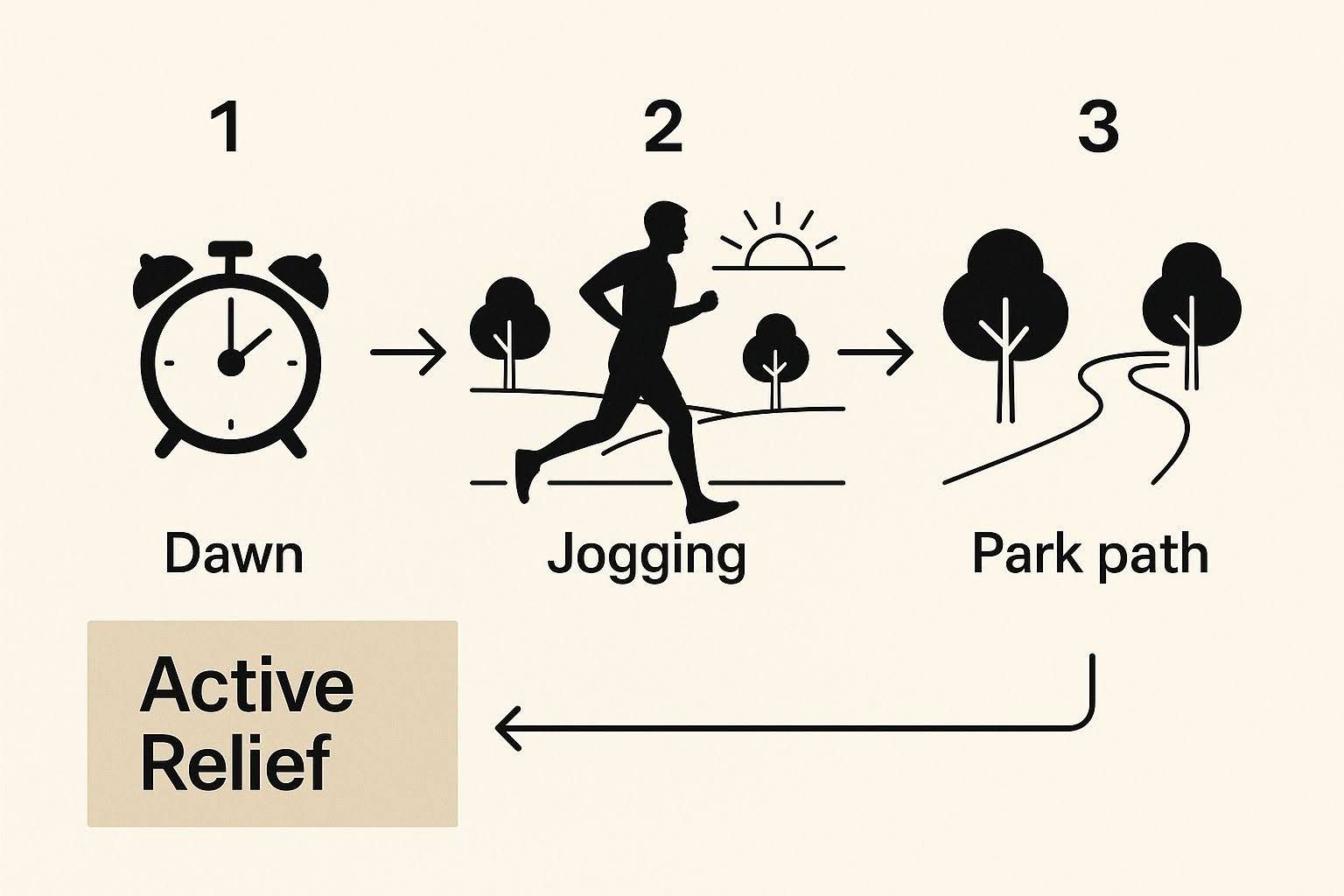
This visual really drives home the point that physical activity provides a foundational layer of support. When you add other therapeutic options, you get a much more complete and effective wellness plan.
For many, the goal of integrating medical Marijuana isn't to get rid of anxiety entirely, but to turn down the volume. By calming the most severe symptoms, it can create the mental space needed for other strategies—like therapy and mindfulness—to truly take hold and work.
The Official Steps for Mississippi Residents
Navigating the state’s requirements is simple once you know the process. Here’s a quick breakdown of what any Mississippi resident needs to do to qualify for the program:
- Consult with a Certified Practitioner: It all starts with a consultation with a practitioner who is certified by the state to recommend medical Marijuana. During this visit, you'll discuss your medical history and current symptoms to see if you have a qualifying debilitating condition.
- Receive Your Written Certification: If the practitioner determines you qualify, they will give you a written certification. This is the official document you'll need to move forward with your application.
- Apply with the State: With your certification in hand, you’ll fill out an online application through the Mississippi State Department of Health's portal. This is where you submit your information and pay the required application fee.
- Obtain Your Card: Once your application is reviewed and approved, you'll receive your electronic medical Marijuana identification card. This card is what allows you to purchase products from a licensed Mississippi dispensary.
While it’s often discussed for anxiety, medical Marijuana's role in managing other conditions is also well-established. For instance, many people explore medical marijuana for pain relief as another powerful tool for managing chronic symptoms.
Creating Your Personalized Anxiety Relief Plan
Alright, this is where the rubber meets the road. True success in managing anxiety without medication comes from building a plan that actually fits your life, not a generic template you found online. This is the moment you move from simply learning about different strategies—therapy, lifestyle tweaks, and mindfulness—to weaving them into a routine that supports you every single day.
It all starts with an honest conversation with yourself. Which of these ideas genuinely connects with you? Don't feel pressured to do everything at once. The real goal is to pick a few small, manageable actions that feel achievable right now. By taking consistent, personalized steps, you build lasting resilience and find the relief you're looking for.
Combining Elements for a Cohesive Routine
Think of this like creating your own daily wellness recipe. A great plan doesn't rely on just one ingredient; it combines different elements to support you from morning to night.
For example, a simple but powerful routine might look something like this:
- Morning Foundation: Start your day with a 10-minute walk outside. The combination of sunlight and gentle movement is a fantastic way to set a positive tone.
- Midday Reset: Use your lunch break to practice a simple box breathing exercise. It's a quick and effective way to hit the reset button on afternoon stress.
- Evening Wind-Down: Dedicate 15 minutes before bed to journaling. This helps clear your mind of the day's clutter, setting the stage for better sleep.
This kind of approach creates a reliable structure for your mental health. It’s not about being perfect—it's about being consistent.
The most effective anxiety relief plan is not the one with the most strategies, but the one you will actually stick with. Empowerment comes from taking small, consistent actions that build momentum over time.
Your personal toolkit is now filled with diverse and powerful options. You have the knowledge to blend insights from therapy with practical lifestyle habits and in-the-moment mindfulness techniques. The next step is to start experimenting. See what combinations feel right for your schedule and your needs.
For more inspiration on building out your daily toolkit, exploring these 6 effective coping strategies for anxiety can give you even more practical ideas.
Remember, you are in the driver's seat. Every positive choice you make is a step toward lasting calm and well-being.
Common Questions About Anxiety Treatment
Taking the first step toward managing anxiety without medication can feel a little uncertain. That’s perfectly normal. Here, we’ve answered some of the questions we hear most often from Mississippians who are ready to explore a more holistic path to wellness.
What’s the Best First Step to Take in Mississippi?
The best way to start is by tackling things from two angles. First, it’s a great idea to schedule a consultation with a licensed therapist or counselor. They’re the experts who can really listen, give you a clear picture of what’s going on, and map out a personalized plan using proven methods like Cognitive Behavioral Therapy (CBT).
At the same time, you can begin making some simple but powerful lifestyle changes on your own. Things like focusing on balanced meals and adding some gentle, regular exercise into your routine build a solid foundation for everything else you’ll do on your mental wellness journey.
Is Medical Marijuana a Good Option for My Anxiety?
In Mississippi, that's a conversation to have with a certified medical practitioner. It usually comes up when anxiety is severe, just won't let up, or hasn't improved with other treatments.
During a professional evaluation, you’ll have a chance to talk openly about your symptoms, what you’ve tried in the past, and your overall health. Based on that conversation, the practitioner will determine if medical Marijuana could be a helpful tool in your wellness plan, always following state guidelines.
The goal isn't for medical Marijuana to replace other therapies. It's to help ease symptoms enough so that other strategies, like therapy and mindfulness, can work even better.
Are Lifestyle Changes Enough to Manage an Anxiety Disorder?
For milder anxiety, absolutely. Sometimes, making consistent lifestyle changes is all it takes. Regular exercise, a nutritious diet, good sleep habits, and mindfulness practices are like building a strong, natural defense against stress.
But for moderate to severe anxiety disorders, these habits are most effective when they’re supporting structured therapy. Think of it this way: lifestyle changes are the solid ground you stand on, which makes the deeper work you do in therapy more stable, successful, and long-lasting.
At
Pause Pain and Wellness, our local Mississippi providers are here to help you find a balanced and effective path to feeling better. We offer expert guidance on
medical marijuana cards and create personalized care plans to support your journey. Learn how we can help at
https://pausethepain.com.