Treating Anxiety and Depression Naturally in Mississippi
When you're struggling with anxiety and depression, it can feel like you're navigating it all by yourself. But if you're looking for natural, empowering ways to manage your mental health, you're absolutely not alone. This guide is for Mississippians who want to build a sustainable, holistic self-care routine.
Think of this as your personal roadmap to a calmer, more balanced life—a toolkit you can start building today.
Your Path to Natural Mental Wellness in Mississippi
The weight of anxiety and depression is heavy, and the search for relief can feel completely overwhelming. More and more people in Mississippi are looking for paths beyond conventional medicine, seeking out methods that feel more aligned with a natural approach to well-being.
Treating anxiety and depression naturally isn't about finding a single magic bullet. It’s a multi-faceted strategy, one that looks at your mind, your body, and your environment as a whole. It’s about building a resilient foundation for long-term mental health through small, intentional choices you make every single day. These choices can be as simple as tweaking your sleep schedule or as focused as starting a mindfulness practice.
The Pillars of Holistic Self-Care
A holistic approach simply means looking at the big picture. Several key areas work together to support your mental state. When you focus on improving them, you can create some significant, positive shifts in how you feel.
- Impactful Lifestyle Shifts: You'd be amazed how small, consistent changes in your daily routine can dramatically affect your mood and stress levels.
- Mindful Nutrition: The food you eat is literally the fuel for your brain. Understanding that connection is a powerful first step toward better mental clarity.
- Mind-Body Practices: Techniques like meditation and simple breathwork aren't just for relaxation; they build real resilience against stress and help quiet those anxious, racing thoughts.
- Integrative Options: For some, natural wellness includes exploring state-regulated therapeutic options that are available right here for Mississippi residents.
Here in Mississippi, this journey also means understanding every natural wellness avenue available. For those with qualifying conditions, one of those options is medical Marijuana, which many find helpful for managing symptoms when it's part of a broader, integrative plan.
An Integrative Option in Mississippi
For a growing number of Mississippians, medical Marijuana is becoming a recognized part of a comprehensive wellness strategy. When used responsibly and with professional guidance, it can offer a way to manage the symptoms of certain debilitating conditions. The positive side effects for many include reduced anxiety and an improved sense of well-being.
We'll dive into the core pillars of natural wellness in detail, from lifestyle and nutrition to specific mind-body practices you can start using right away. You'll also learn more about the legal framework and potential benefits of medical Marijuana cards in Mississippi, giving you the knowledge you need to make informed decisions for your own health journey.
Laying the Groundwork with Lifestyle and Environment
When you're looking for natural ways to manage anxiety and depression, the best place to start is right where you are—with your daily habits, your routines, and the very space you live in. These foundational pieces have a direct and surprisingly powerful impact on how you feel from one day to the next.
Building a lifestyle that actively supports your emotional stability isn't about expensive overhauls. It begins with small, intentional adjustments that create a positive ripple effect over time. By focusing on fundamentals like sleep, movement, and your physical surroundings, you can create a supportive environment that works for your mental well-being, not against it.
The Non-Negotiable Role of Restorative Sleep
Sleep isn't a luxury; it's a biological necessity for good mental health. While you're in a deep sleep, your brain is hard at work processing emotions and consolidating memories—essentially clearing out the mental clutter from the day. When sleep is consistently cut short or disrupted, this vital process gets derailed, leaving you far more vulnerable to stress, irritability, and a low mood.
Improving your sleep isn't an all-or-nothing game. The goal is to create a consistent wind-down routine that sends a clear signal to your body that it's time to rest.
- Create a Tech-Free Zone: Try putting away phones, tablets, and laptops at least an hour before bed. The blue light from these screens messes with your body's production of melatonin, the hormone that tells you it's time to sleep.
- Stick to a Schedule: As much as you can, go to bed and wake up around the same time each day—even on weekends. This helps regulate your body's internal clock, making it easier to fall asleep and wake up feeling refreshed.
- Optimize Your Bedroom for Rest: Keep your room cool, dark, and quiet. Think about blackout curtains or a white noise machine to block out distractions and turn your bedroom into a true sanctuary.
These small habits build on each other, leading to more restorative sleep that directly contributes to a more stable mood and better resilience against daily stressors.
Movement as a Natural Mood Regulator
Physical activity is one of the most effective tools we have for managing symptoms of anxiety and depression. When you move your body, it releases endorphins, which are basically natural mood-lifters. On top of that, regular exercise helps keep cortisol, the body's main stress hormone, in check.
This doesn't mean you need to sign up for grueling, hour-long workouts every day. The real key is finding movement you actually enjoy so you'll stick with it. For those of us in Mississippi, our state's natural beauty offers endless opportunities. A brisk walk through Tishomingo State Park, a gentle bike ride along the Natchez Trace Parkway, or even just a simple stroll around your neighborhood can have a profound effect.
Science backs this up. Interacting with nature has been shown to measurably reduce symptoms of anxiety and depression. Getting out into green spaces like parks and blue spaces like beaches leads to significant psychological improvements. For instance, studies have shown time in nature can lower Total Mood Disturbance scores by nearly 5 points and reduce levels of the stress hormone cortisol. You canread more about the research on nature's mental health benefits and find new ways to connect with Mississippi's beautiful landscapes.
Creating a Calm and Centered Home Environment
Your home should be your refuge—a place where you can truly relax and recharge. But when it's filled with clutter, disorganization, and constant noise, it can actually add to feelings of stress and overwhelm.
Taking small, manageable steps to create a more calming home environment can make a huge difference for your mental health. Don't try to tackle the whole house at once. Start with one small area, like your bedside table or a single corner of your living room. Clear away the clutter, add a plant, or introduce a calming scent with an essential oil diffuser. These simple actions help quiet the mental noise and give you back a sense of peace and control—which is exactly what you need when you're working on healing.
How Diet and Herbal Support Can Nourish Your Mind
The connection between what’s on your plate and what’s going on in your head is far more direct than most of us realize. It's easy to think of food as just fuel, but every single meal is an opportunity to give your brain the specific nutrients it needs to thrive.
This all comes down to the gut-brain axis—a constant, two-way conversation happening between your digestive system and your brain. When your gut is out of balance, it can send stress signals straight to your head, which can make feelings of anxiety and depression even worse.
But the good news? It works both ways. By intentionally nourishing your gut, you can send calming signals back up to your brain, creating more stability and peace. This isn't about restriction; it's about using nutrition as a powerful, proactive tool for your mental well-being.
Building Your Brain-Healthy Shopping List
You don't have to throw out everything in your pantry overnight. Real, lasting change comes from making small, consistent additions of foods known to support brain health.
Here are a few key things to focus on during your next grocery run:
- Omega-3 Fatty Acids: These are non-negotiable for brain health. They help cool inflammation and support the neurotransmitters that regulate your mood. Think of them as essential building blocks for your brain cells. You’ll find them in fatty fish like salmon and mackerel, or in plant-based sources like flaxseeds, chia seeds, and walnuts.
- Magnesium-Rich Foods: I like to call this nature's relaxation mineral. Magnesium is crucial for regulating your body's stress-response system, and a deficiency can absolutely contribute to feeling anxious or agitated. Load up on leafy greens like spinach, almonds, pumpkin seeds, avocados, and even a little high-quality dark chocolate.
- Complex Carbohydrates: Forget the quick spike and inevitable crash from sugary snacks. Complex carbs provide a slow, steady supply of glucose—the brain's favorite energy source. This steady fuel helps keep your mood stable. Go for whole grains like oats and quinoa, legumes like beans and lentils, and starchy veggies like sweet potatoes.
By focusing on adding these foods, you're not just eating healthier. You're strategically nourishing your mind from the inside out.
Gentle Herbal Allies for Calm and Balance
Beyond what's on your plate, certain herbs have been trusted for centuries to soothe the nervous system and promote emotional balance. These plant allies can be a gentle but surprisingly effective part of your daily routine.
Let's start with a few well-known helpers.
Chamomile is probably the most famous calming herb, and for good reason. Usually enjoyed as a simple tea, it contains compounds that have been shown to dial down anxiety and help with sleep. Then there's lavender, celebrated for its incredible soothing scent. Just using lavender essential oil in a diffuser or adding a few drops to a warm bath can create an immediate sense of tranquility.
Natural products have been increasingly recognized and researched as therapeutic alternatives for treating anxiety and depression. Over the past few decades, several herbal remedies such as chamomile, lavender, passionflower, saffron, black cohosh, and chasteberry have been studied for their anxiolytic and antidepressant properties. These natural products are perceived as safer alternatives with fewer adverse effects and lower risks of withdrawal symptoms.
Weaving these herbs into your day can be a simple act of self-care. It might look like starting your morning with a calming tea instead of coffee, or creating a wind-down ritual with aromatherapy at night. These small habits become grounding anchors that truly support your mental state.
If you want to go deeper, you might be interested in our guide on other natural remedies for anxiety.
Sometimes, seeing the options laid out can make it easier to decide where to start. Here are a few common herbal allies that many people find supportive.
Herbal Allies for Mental Wellness
| Herb | Potential Benefit | Common Forms |
|---|---|---|
| Ashwagandha | An adaptogen that helps the body manage stress and can reduce cortisol levels. | Capsule, Powder, Tincture |
| Passionflower | Known for its calming effects, often used to ease anxiety and improve sleep. | Tea, Tincture, Capsule |
| St. John's Wort | Traditionally used for mild to moderate depression. | Capsule, Tablet, Tincture |
| Valerian Root | Primarily used as a sleep aid, but can also help reduce anxiety-related tension. | Tea, Capsule, Tincture |
| Lemon Balm | A member of the mint family, known for reducing stress and improving mood. | Tea, Capsule, Essential Oil |
Remember, herbs can be powerful. It's always a good idea to chat with a healthcare provider before adding new supplements, especially if you're taking other medications. But with a little guidance, these natural allies can be a wonderful part of your wellness toolkit.
Using Mind-Body Practices for Inner Resilience
Building real resilience against anxiety and depression isn't about fighting your mind—it's about learning to work with it. Mind-body practices are the bridge between your physical feelings and your emotional state. These are simple, powerful skills you can start learning today to find a sense of inner peace and get a better handle on how you react to stress.
These aren't some complex disciplines that take years to master. Think of them as practical tools for finding calm when things get overwhelming. By intentionally connecting with your body and your breath, you can hit the pause button on anxious thoughts and ground yourself right here, right now. That's a huge piece of the puzzle when it comes to treating anxiety and depression naturally.
The Power of Mindful Breathing
One of the most direct lines of communication to your nervous system is your breath. Ever notice how it gets shallow and quick when you feel anxious? That’s a signal to your brain that something is wrong. By consciously slowing your breathing down, you can send a message of safety back to your brain and start to calm the internal storm.
A simple but incredibly effective technique for this is diaphragmatic breathing, or what many people call belly breathing.
- Get comfortable, either sitting up or lying down.
- Put one hand on your chest and the other on your belly.
- Breathe in slowly through your nose for a count of four. You should feel your stomach rise, while your chest stays pretty still.
- Pause for just a moment at the top of the breath.
- Now, exhale slowly through your mouth for a count of six, feeling your stomach fall.
Just doing this for five minutes a day can make a huge difference in your baseline stress levels. It’s a foundational skill for managing panic and anchoring yourself when your thoughts start to spiral out of control.
Gentle Yoga for Releasing Tension
Yoga is so much more than just fancy poses. It's a combination of physical movement, breathing exercises, and meditation that improves your overall sense of well-being. And you absolutely don't need to be flexible or athletic to get the benefits. Gentle, restorative yoga is fantastic for releasing the physical tension that so often comes with anxiety and depression.
A few poses are especially good for calming the nervous system.
- Child's Pose (Balasana): This is a resting pose that gently stretches your back and hips. It creates a feeling of safety and calm.
- Legs-Up-The-Wall Pose (Viparita Karani): A simple restorative inversion that can help dial down stress and anxiety by soothing the nervous system and improving circulation.
- Cat-Cow Stretch (Marjaryasana-Bitilasana): This is a gentle flow that helps release tension in the spine while syncing your movement with your breath.
When you focus on the actual physical sensations of each pose, you pull your attention away from anxious thoughts and bring it back into your body. This practice of embodiment is a powerful way to quiet a noisy mind.
Therapeutic Journaling to Process Emotions
Sometimes, the best way to deal with your thoughts and feelings is to get them out of your head and onto paper. Therapeutic journaling gives you a private, judgment-free space to explore what’s going on, identify your triggers, and start to see patterns in your thinking. This isn't about writing perfectly—it's about honest expression.
The goal of journaling is not to create a literary masterpiece but to untangle the thoughts that contribute to your emotional state. By externalizing them onto paper, you can often gain clarity and distance, making them feel less overwhelming.
Not sure where to begin? Try one of these simple prompts:
- What is one thing that is weighing on me right now?
- What is one small thing I can do today that would bring me a moment of peace?
- Describe a time I felt strong and capable.
This practice helps you shift from being caught in your emotions to becoming an observer of them. For those looking to build a robust set of mental health tools, our guide on6 effective coping strategies for anxiety is a perfect next step. Over time, consistent journaling can lead to profound insights and help you build a more compassionate relationship with yourself.
Medical Marijuana as a Natural Option in Mississippi
For many residents in Mississippi, medical Marijuana is becoming a viable piece of their wellness puzzle, especially when treating anxiety and depression naturally. This isn't about looking for a magic bullet. Instead, it’s about understanding the plant's therapeutic side and how certain compounds can help calm the nervous system and regulate mood, leading to positive side effects that support overall mental health.
Think of it as one more tool in the toolbox, sitting alongside other healthy habits like good nutrition, movement, and mindfulness. The idea is to use it to help bring your body's internal systems back into balance, which in turn makes it easier to tackle those other healing practices. This educational perspective is key to understanding its role in a personal wellness journey.
Understanding the Therapeutic Potential
The conversation around medical Marijuana usually comes back to the body's endocannabinoid system (ECS). The simplest way to think of the ECS is as your body's master regulator. It’s a complex network that works to keep everything stable—from your mood and sleep cycle to your appetite and stress response. When that system gets thrown off-kilter, it can be a major factor in persistent anxiety and depression.
Medical Marijuana contains compounds called cannabinoids that interact directly with this system. Some of these have been shown to have a calming effect, helping to dial down that overwhelming "fight or flight" feeling that defines anxiety. For depression, certain compounds might gently influence the neurotransmitters linked to mood, offering a subtle but noticeable lift.
For many people, the positive effects are clear: a real reduction in anxious thought loops and a greater sense of emotional stability. This shift allows them to jump back into their lives and engage with therapies that felt impossible before.
This visual gives a simple, daily framework that can support any natural treatment plan you're following for anxiety and depression.
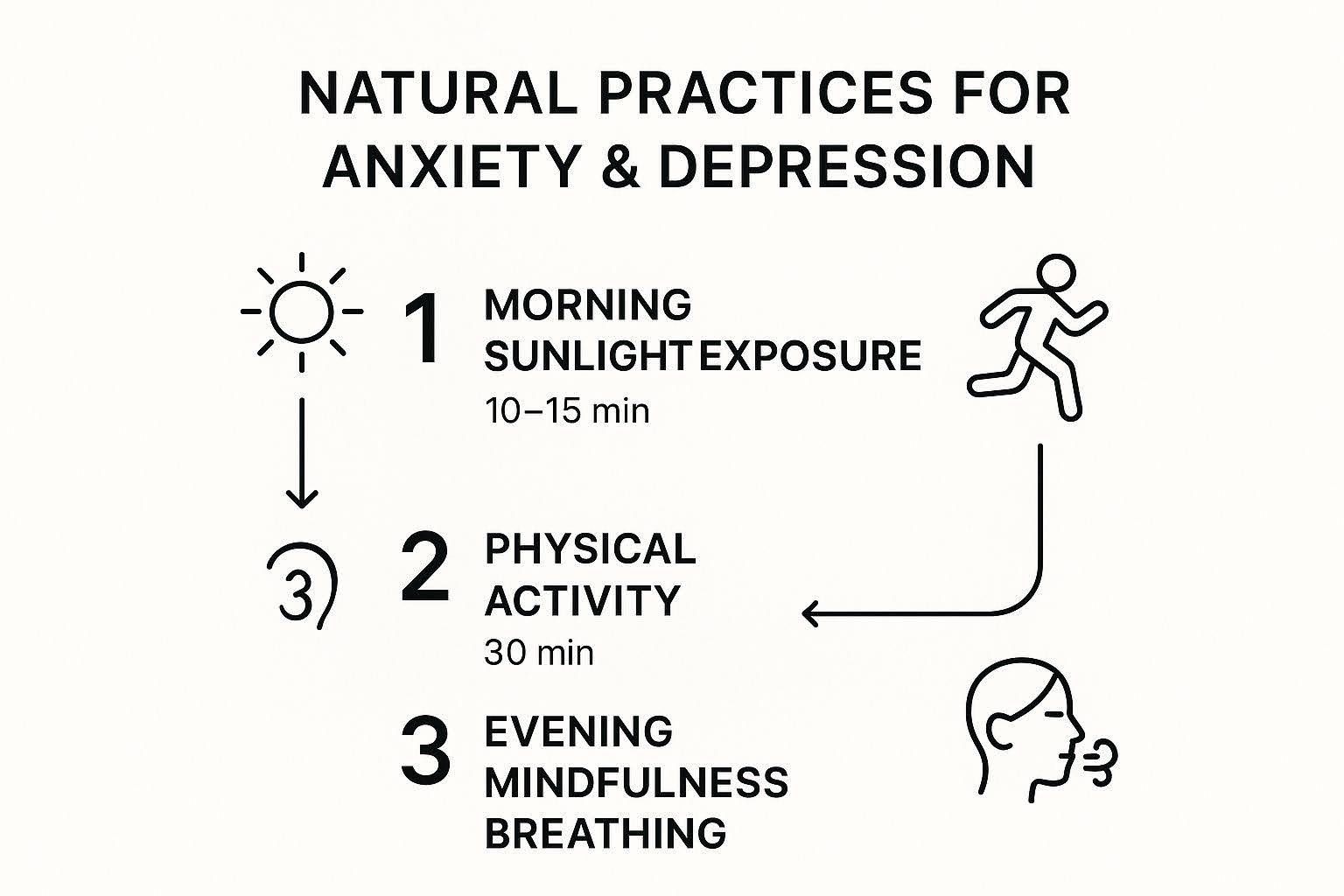
It’s a great reminder of how small, consistent actions—like getting some morning sun, moving your body, and practicing a little mindfulness—build a powerful foundation for mental well-being.
Navigating the Process for a Medical Card in Mississippi
In Mississippi, the state has laid out a clear, educational path for obtaining a medical Marijuana card, ensuring patients have safe, legal access. The process is designed to be straightforward, but you do have to pay close attention to the specific legal requirements.
The first step is always a consultation. Mississippi law requires you to be certified by a qualified practitioner who can confirm you have a debilitating medical condition. While anxiety and depression aren't listed by themselves, they often accompany other qualifying conditions like chronic pain or PTSD.
Here’s a quick look at the steps involved:
- Practitioner Certification: First, you'll meet with a qualified practitioner. They will assess your condition to confirm it qualifies under Mississippi law.
- Online Application: With your certification in hand, you’ll create an account on the Mississippi Medical Cannabis Program portal to submit your application.
- Submission and Review: After you submit the application and pay the fee, the Mississippi State Department of Health reviews it. This usually takes a few business days.
- Receiving Your Card: Once approved, you get an electronic ID card that you can use at any licensed Mississippi dispensary.
It’s really important to understand the specifics of how medical Marijuana can be used for anxiety and depression, and doing a little more reading can give you a much deeper understanding of this option.
Qualifying Conditions and Legal Framework
The Mississippi Medical Cannabis Act spells out exactly which debilitating conditions qualify a patient for a medical card. A standalone diagnosis of anxiety or depression isn't on the list, but the symptoms often overlap with or are a direct result of other qualifying illnesses.
Some of the primary qualifying conditions include:
- Cancer
- Parkinson's disease
- Huntington's disease
- Muscular dystrophy
- Chronic pain
- Post-traumatic stress disorder (PTSD)
This is why having an open and honest conversation with a qualified healthcare professional is so important. Talk about all your symptoms. Chronic pain, for instance, is a condition that frequently exists alongside both anxiety and depression. By getting a certification for the primary qualifying condition, many patients find they also get significant relief from their mental health symptoms. This makes medical Marijuana an incredibly valuable part of their overall treatment plan.
Here in Mississippi, the focus is squarely on responsible, regulated use. The legal framework is there to keep patients safe and provide a legitimate path for anyone seeking natural alternatives for their health challenges.
How to Create Your Personal Wellness Plan

The journey to managing anxiety and depression naturally is incredibly personal. What works wonders for one person might not be the right fit for you, and that’s perfectly okay. The goal now is to bring all these strategies together into a cohesive wellness plan that feels both manageable and empowering.
The key is to avoid getting overwhelmed. This isn’t about a complete life overhaul overnight. Think of it as building a sustainable toolkit of strategies that genuinely fit into your life here in Mississippi. Real, lasting progress comes from consistency, not perfection.
Starting Small for Sustainable Change
The best way to start is by picking just one or two small, actionable goals. This approach makes building new habits feel so much less daunting and creates positive momentum. Over time, these small wins add up to significant improvements in your mental well-being.
Not sure where to begin? Consider these starting points:
- Diet: Add one magnesium-rich food to your day, like a handful of almonds or some spinach in your lunch.
- Movement: Commit to a quick 10-minute walk outside each day. Soaking in a little Mississippi sunshine can make a world of difference.
- Mindfulness: Try a simple five-minute guided breathing exercise right before you start your day.
Investing in your mental health with natural methods has a powerful ripple effect. The World Health Organization found that for every $1 invested in scaling up treatment for anxiety and depression, there's a $4 return in better health and productivity. Your personal efforts are part of a much bigger picture of global well-being.
Building Your Integrative Plan
Once you feel comfortable with your initial changes, you can start layering in other practices. Your personal plan might end up being a combination of thoughtful dietary adjustments, regular movement, mindfulness, and for some Mississippians, exploring integrative options.
For those with qualifying conditions, incorporating medical Marijuana into a broader wellness plan can provide real relief from symptoms that often accompany anxiety and depression. Understanding all your options is a crucial step in taking back control of your health.
To learn more about what that could look like, explore our detailed guide on depression symptoms and treatment options. Creating your plan is all about self-compassion and taking one confident step at a time.
A Few Common Questions
When you're exploring natural ways to manage anxiety and depression, it's completely normal to have a few questions pop up, especially when it comes to the options here in Mississippi. Let's clear up some of the most common ones so you can move forward feeling confident.
Can Anxiety or Depression Alone Qualify Me for a Medical Marijuana Card in Mississippi?
This is a really common question. Officially, a standalone diagnosis of anxiety or depression is not on Mississippi's list of qualifying conditions for a medical card.
But, that's not the full story. Many people who struggle with these mental health challenges are also dealing with other qualifying conditions. Conditions like chronic pain or PTSD, for example, often go hand-in-hand with anxiety and depression. If you're certified for a primary qualifying condition like one of those, you might also find that medical Marijuana helps you manage the related mental health symptoms.
The most important thing is to have a completely open conversation with a qualified practitioner about all of your symptoms.
Is It Safe to Use Medical Marijuana for Mental Health?
When used responsibly and with professional guidance, medical Marijuana can absolutely be a safe part of a bigger wellness plan. For many, the positive effects include feeling less anxious and seeing an uplift in mood. That alone can create the mental space you need to fully engage with other natural therapies, like mindfulness or getting back into an exercise routine.
The key to making it both safe and effective is having the right guidance. A knowledgeable healthcare professional can walk you through the appropriate products and usage to get the most benefit while minimizing any potential risks. It’s all about making sure it fits into your overall health strategy, not working against it.