Depression Symptoms and Treatment in Mississippi
Depression is so much more than just feeling sad. Its symptoms can quietly disrupt your entire world—emotionally, physically, and behaviorally. The first real step toward feeling better is learning to recognize these signs, like a persistent low mood, losing interest in things you once loved, or sudden changes in your sleep and appetite.
Understanding How Depression Feels in Daily Life
Many people mistake depression for a long-lasting case of the blues, but for so many Mississippians, it’s a much deeper and more draining experience. Imagine you’re trying to drive through a thick Mississippi fog; everything feels slow, takes twice the effort, and you can’t see the road ahead. That’s a pretty good picture of how depression can cloud your mind, sap your energy, and turn simple daily chores into massive hurdles.
It's not just a mood—it's a condition that can take over your whole life. The simple joy you used to get from a weekend fishing trip on the Gulf, a family get-together in Jackson, or hearing live music in Clarksdale might suddenly feel completely out of reach.
This loss of interest or pleasure is a hallmark symptom known as anhedonia. Think of it as your favorite food suddenly losing all its flavor. You know you should enjoy it, but the experience just feels flat and empty.
The Emotional and Behavioral Signs
The emotional weight of depression is more than just feeling down. It often comes with a crushing sense of worthlessness or guilt, where you might find yourself stuck replaying past mistakes or feeling like a burden to your loved ones. Irritability is another common sign. Small frustrations that you used to brush off can suddenly feel like the end of the world, creating tension at home and at work.
These internal struggles almost always show up in our actions. You might start avoiding friends or find it impossible to stay productive. The motivation to handle daily responsibilities can just vanish, making it tough to perform at your job or even keep the house tidy. It's a quiet, internal fight that can make you feel completely alone, even when you're surrounded by people who care. You can learn more about how to tell when depression symptoms are interfering with your life in our detailed guide.
The Physical Manifestations of Depression
Depression isn't just in your head; your body feels it, too. The physical symptoms are often just as disruptive as the emotional ones, and sometimes, they’re the first clue that something is wrong.
Think about how your body feels when you have a bad flu—achy, wiped out, and sluggish. Depression can create a similar physical state, marked by a deep fatigue that sleep just doesn't fix. This isn't your normal tiredness; it's a profound exhaustion that can make getting out of bed feel like an impossible task.
Depression can be a silent illness, especially when someone appears to be functioning well on the surface. But inside, they may be struggling with significant emotional distress and a lack of energy that makes every task feel draining. Recognizing both the visible and invisible signs is crucial for providing support.
This physical exhaustion often comes with other noticeable changes:
- Changes in Sleep Patterns: This could mean sleeping way more than usual (hypersomnia) or struggling with insomnia, where you're left lying awake for hours with your mind racing.
- Changes in Appetite and Weight: Some people lose their appetite completely and lose weight without trying. Others might turn to food for comfort and start gaining weight.
- Unexplained Aches and Pains: It's very common to experience headaches, back pain, and muscle aches that don’t have a clear medical cause but are directly tied to the emotional strain of depression.
Understanding these different symptoms—emotional, behavioral, and physical—is the most important first step. It helps to see depression for what it is: a real health issue, not a personal weakness. Recognizing these signs in yourself or someone you care about is what opens the door to getting help and exploring the treatment options available right here in Mississippi.
The Rising Tide of Depression Across the Nation
If you're grappling with the weight of depression, it's incredibly easy to feel like you're carrying that burden all on your own. But looking at the bigger picture can be a powerful reminder that you are far from alone. Across the country, millions of Americans are navigating the exact same challenges.
The conversation around mental health in the United States has changed dramatically, especially in the last few years. What was once a subject kept behind closed doors is now a pressing national discussion. This shift is crucial—it validates what so many people are going through and underscores the need for accessible depression symptoms and treatment options for everyone.
This isn't just a feeling; it's a trend backed by hard data. A recent study shows that depression rates have climbed to historically high levels. Right now, 18.3% of adults in the U.S. report having depression or receiving treatment for it.
That’s roughly 47.8 million people.
This number has jumped by about eight percentage points since 2015, with the sharpest increase happening after the COVID-19 pandemic began. You can dive deeper into these numbers by exploring the latest findings on U.S. depression rates.
A Closer Look at the Numbers
This rise in depression hasn't hit everyone equally. When we break down the data, we see that certain groups have shouldered a heavier burden, giving us a clearer picture of the national situation.
Two key groups have been impacted the most:
- Young Adults: This demographic has seen one of the steepest climbs in reported depression, facing a unique storm of social, economic, and academic pressures.
- Lower-Income Households: Financial instability is a massive stressor and a significant driver of mental health struggles, and those in lower-income brackets have felt this disproportionately.
Understanding these patterns is the first step toward building better, more targeted support systems.
What This Means for Mississippi
Here in Mississippi, these national statistics aren’t just abstract numbers—they reflect the real-life experiences of our friends, family, and neighbors. The rising tide of depression highlights a universal need for compassion, understanding, and real, accessible care. It shows that feeling overwhelmed isn’t a personal failing; it's a shared human experience in the world we live in today.
Acknowledging that depression is a widespread health issue is a vital step toward healing. It transforms a private struggle into a shared conversation, empowering more people to seek the support they deserve without shame or hesitation.
For Mississippians, this national context serves as a powerful validation. It reinforces that seeking help for depression symptoms and exploring treatment options is a sign of strength. As we continue to understand these trends, we can better support one another and make sure everyone has access to the resources they need to find relief and start their journey toward wellness.
Exploring Medical Marijuana for Depression in Mississippi
For many Mississippians looking for every possible way to manage depression, medical Marijuana has become a serious topic of conversation. While it's often linked to physical conditions, certain compounds in Marijuana are now being looked at for how they might help with mental wellness—specifically, the persistent low mood, anxiety, and insomnia that so often come with depression.
The whole idea is rooted in how Marijuana interacts with our body's endocannabinoid system (ECS). Think of the ECS as your body's internal balancing act, constantly working behind the scenes to keep things like mood, sleep, appetite, and pain in check. The compounds in Marijuana, called cannabinoids, can tap into this system, potentially helping to restore that balance when it's thrown off by something like depression.
How Marijuana May Influence Depression Symptoms
The potential of medical Marijuana isn’t about a magic bullet. It’s more about its ability to influence several related symptoms at once. When you're dealing with depression, it's rarely just about feeling sad; it’s a whole constellation of issues that can disrupt your entire life.
Medical Marijuana might offer a different angle by helping to manage several of these symptoms simultaneously:
- Easing Anxiety: Many people with depression also carry the heavy weight of anxiety. Certain cannabinoids are known for their calming effects, which can help quiet those racing thoughts and reduce that constant feeling of being on edge.
- Improving Sleep Quality: Insomnia is an exhausting hallmark of depression. Medical Marijuana may help regulate sleep patterns, making it easier to fall asleep and stay asleep—something absolutely essential for both mental and physical recovery.
- Stimulating Appetite: A loss of appetite can quickly lead to weight loss and fatigue, making everything feel worse. Marijuana is famous for its ability to kickstart hunger, helping ensure your body gets the fuel it needs.
- Lifting Mood: Some early research suggests that certain cannabinoids can interact with the brain receptors that manage mood, possibly offering a temporary break from the crushing weight of depressive feelings.
It's crucial to see this as one piece of a much larger wellness puzzle. Just as medical Marijuana is being studied for other serious conditions, you can learn more about its evidence for HIV/AIDS symptoms and see how its applications are being explored across the health spectrum.
Before exploring any treatment, the first step is always a proper diagnosis. The image below shows what that process typically looks like.
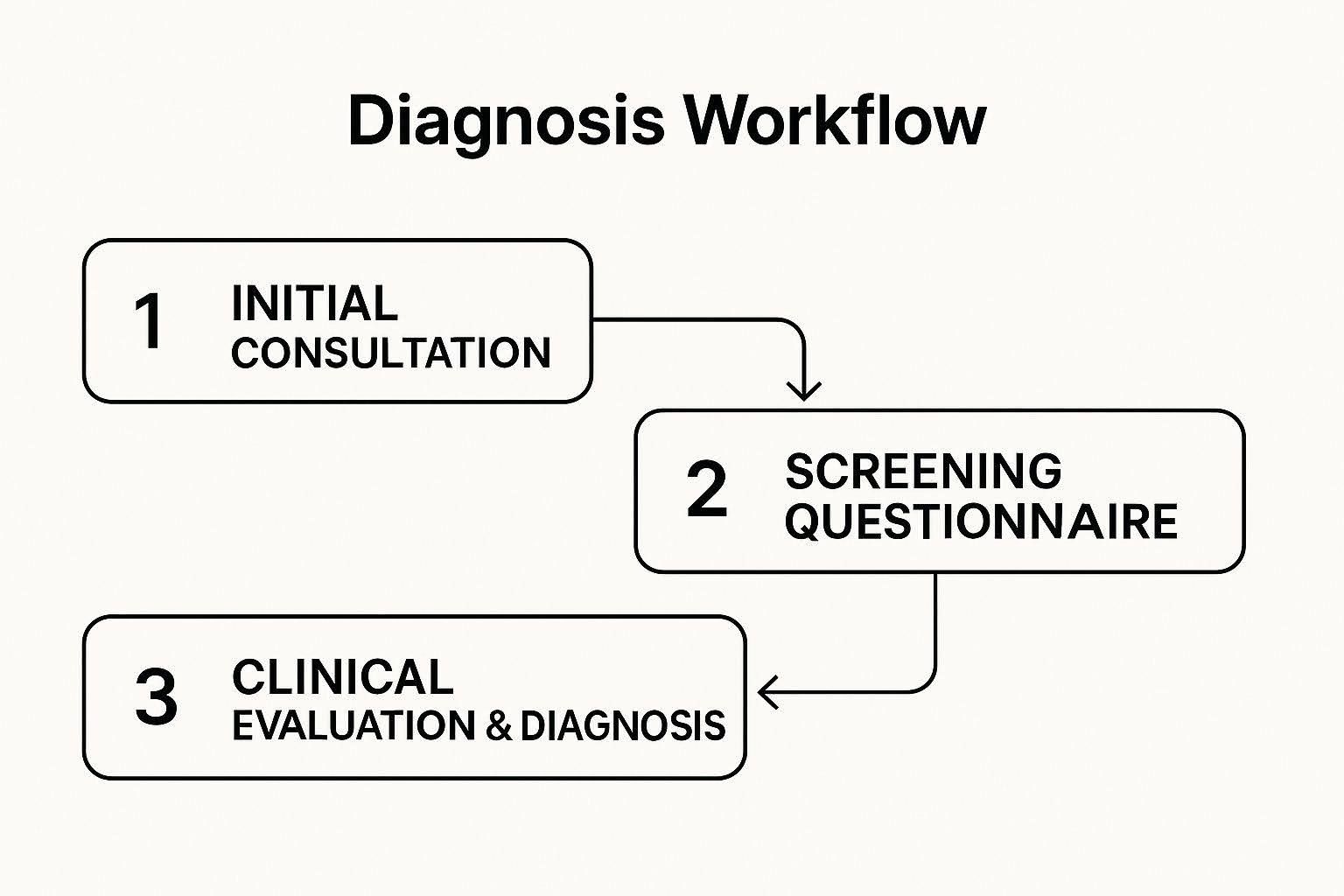
As you can see, a formal diagnosis isn't a guess—it's a structured evaluation by a healthcare professional. This ensures any treatment plan you create is built on a solid understanding of your unique needs.
Navigating Mississippi’s Medical Marijuana Program
In Mississippi, getting medical Marijuana isn't a free-for-all. It's a regulated process designed to keep patients safe and ensure proper medical supervision. The state has laid out a clear path for people with qualifying conditions to legally obtain a medical Marijuana card.
Now, depression itself is not explicitly listed as a qualifying condition. However, the law was written to focus on debilitating symptoms. This means that if your depression leads to other qualifying issues—like chronic pain or severe nausea—you might still be eligible. Only a certified practitioner can make that call.
The key takeaway is this: Mississippi’s program focuses on how debilitating your symptoms are. A real conversation with a registered practitioner is the only way to know if your specific situation qualifies under the state’s rules.
Getting a card involves a few straightforward steps. Here’s a simple breakdown of what that journey looks like.
How to Get a Medical Marijuana Card in Mississippi
The process in Mississippi is designed to be clear and medically guided, ensuring every patient is properly evaluated before being able to purchase from a licensed dispensary.
| Step | Action Required | Key Details |
|---|---|---|
| 1. Consultation | Schedule an appointment with a practitioner registered with the Mississippi Medical Marijuana Program. | Only specific, state-certified practitioners can recommend medical Marijuana. |
| 2. Certification | The practitioner will evaluate your condition to determine if you qualify. | If you meet the criteria, they will issue a medical certification for you. |
| 3. Application | Submit an online application through the Mississippi Medical Cannabis Program portal. | You will need your medical certification and a valid form of identification. |
| 4. Approval | Once your application is reviewed and approved, you will receive your electronic medical card. | This card allows you to legally purchase from licensed dispensaries in Mississippi. |
This structured approach ensures that you receive professional medical advice every step of the way, helping you explore all your treatment options safely and legally. The best way forward is always to discuss everything—including medical Marijuana—with a qualified professional to build a wellness plan that truly supports you.
Proven Therapeutic and Alternative Treatment Paths

While getting a medical Marijuana card in Mississippi is one way to manage tough symptoms, it's just a single piece of a much bigger puzzle. To build a truly resilient path toward wellness, you need to understand the full spectrum of depression symptoms and treatment options available.
Established therapies and complementary practices are powerful tools for healing. These proven methods are all about building new skills, reframing how you think, and getting to the root causes of emotional distress. Often, the most effective strategy is a personalized one that combines different approaches for long-term mental health.
Established Therapeutic Approaches
Psychotherapy, often called "talk therapy," is the bedrock of modern depression treatment. It’s a safe, structured space where you can work through your challenges with a trained professional. Two of the most effective and widely used methods are Cognitive Behavioral Therapy (CBT) and Dialectical Behavior Therapy (DBT).
- Cognitive Behavioral Therapy (CBT): Think of CBT as a practical toolkit for your mind. It’s built on the idea that our thoughts, feelings, and actions are all connected. CBT helps you spot and challenge those negative or distorted thought patterns, giving you the tools to replace them with more balanced and constructive ones.
- Dialectical Behavior Therapy (DBT): Originally created for more complex conditions, DBT has turned out to be incredibly effective for depression, too. It blends the practical techniques of CBT with mindfulness, focusing on helping you regulate emotions, tolerate distress, and build stronger relationships.
What’s great about these therapies is that they give you skills you can use for the rest of your life, helping you handle not just today's struggles but whatever comes next.
The Role of Pharmacotherapy
For many people, antidepressant medication is a critical part of the plan. These medications work by helping to rebalance the brain's chemical messengers, known as neurotransmitters, which play a huge role in our mood and emotions.
It’s helpful to see pharmacotherapy not as a "magic cure" but as a tool. It can lift the heavy fog of depression just enough so you can fully engage with therapy, work, and the people you love. Common types include SSRIs (Selective Serotonin Reuptake Inhibitors) and SNRIs (Serotonin and Norepinephrine Reuptake Inhibitors). Finding the right fit often takes a bit of time, patience, and open conversation with a healthcare professional.
Globally, depression affects an estimated 5.7% of adults—that's around 332 million people. It's a leading cause of disability worldwide, and it impacts women more often than men. Despite this, only about a third of those affected in high-income countries get the effective treatment they need, which shows just how big the care gap is. You can find more insights about mental health conditions on who.int.
Complementary and Alternative Therapies
Beyond therapy and medication, many people find relief by adding complementary practices to their routine. These approaches focus on the mind-body connection and can be powerful additions to a comprehensive treatment plan. They aren’t meant to replace professional medical care, but to support it.
Integrating complementary therapies can create a more rounded approach to wellness. Practices like mindfulness help ground you in the present moment, offering a sense of calm and control when thoughts feel overwhelming.
Some of the most valuable complementary therapies include:
- Mindfulness and Meditation: These practices are all about training your focus on the present moment without judgment. With regular practice, you can reduce stress, get better at managing your emotions, and change your relationship with difficult thoughts.
- Acupuncture: This ancient practice from traditional Chinese medicine involves inserting super-thin needles into specific points on the body. Some studies suggest it can help ease depression symptoms, possibly by influencing neurotransmitter activity.
- Physical Activity: Never underestimate the power of moving your body. Regular exercise is one of the most effective natural mood boosters out there. It releases feel-good endorphins, cuts down on stress hormones, and improves sleep—all vital for managing depression.
By combining these different paths, you can build a robust framework for recovery. For example, the calming effects of medical Marijuana can sometimes help with related issues, like the chronic pain that often goes hand-in-hand with depression. To learn more about that connection, check out our guide on how medical Marijuana helps chronic pain in Mississippi. Exploring all the avenues available is the key to building a personalized strategy that helps you reclaim your well-being.
Building Resilience Through Daily Lifestyle Habits

While professional care gives you the foundation for managing depression symptoms and treatment, the small choices you make every day are what truly build the walls of your emotional resilience.
Think of your mental health like tending a garden. Therapy and medication are the essential tools for clearing out the weeds, but your daily habits are the sunlight, water, and rich soil that help new growth flourish. These lifestyle adjustments don’t replace formal treatment—they amplify it, supporting your well-being for the long haul.
The link between our physical and mental health is undeniable. What you eat, how you move, and how well you sleep have a direct line to your mood and energy. By making conscious, positive changes in these areas, you can create an internal environment that’s far more resistant to the weight of depression.
These strategies are all about empowering yourself with practical, actionable steps. They are small, consistent efforts that, over time, add up to make a significant difference in your recovery.
The Foundational Role of Diet and Nutrition
What you put on your plate has a direct line to your brain. Nutrient-dense foods provide the raw materials for neurotransmitters—the chemical messengers that regulate your mood. A balanced diet packed with fruits, vegetables, lean proteins, and whole grains can help stabilize your energy and emotions.
On the flip side, diets high in processed foods, sugar, and unhealthy fats have been linked to inflammation, which can make feelings of lethargy and sadness even worse. It’s not about perfection; it’s about progress. For instance, just adding a serving of leafy greens or omega-3-rich fish to your weekly meals is a fantastic first step toward nourishing your mind.
Harnessing the Power of Physical Activity
Regular exercise is one of nature's most potent mood boosters. When you get moving, your body releases endorphins, which act as natural mood elevators. It also dials down stress hormones like cortisol, helping to calm your entire nervous system.
You don’t need to run a marathon to feel the benefits. A brisk 20-minute walk around the block can make a world of difference. The key is to find something you actually enjoy, because that’s what you’ll stick with.
Consider these simple ways to get more activity into your day:
- Start Small: Begin with a 10-minute walk each day. As you get more comfortable, you can gradually go for longer.
- Find Joy in Movement: Try dancing, gardening, or stretching. The goal is to find what feels good for your body.
- Connect with Nature: Taking your exercise outside can provide an extra mental health boost from the calming effects of the natural world.
The global landscape of depression is complex, with rates varying widely by country due to factors like healthcare access and stigma. In many places, underdiagnosis is common, meaning countless cases go unreported. This worldwide disparity highlights the urgent need for better mental health awareness and services for everyone. You can discover more insights about global depression rates on worldpopulationreview.com.
The Critical Importance of Restorative Sleep
Sleep and depression are tangled in a tight, frustrating cycle. Depression can wreck your sleep, and poor sleep can make depression symptoms much worse, creating a draining feedback loop. Prioritizing consistent, high-quality sleep is a non-negotiable part of building resilience.
Establishing a calming bedtime routine is like signaling to your mind and body that it's time to power down. This simple act can be one of the most effective strategies for breaking the cycle of insomnia and fatigue.
Creating a sleep-friendly environment is key. This means keeping your bedroom dark, quiet, and cool, and ditching screens for at least an hour before bed. Aiming for a consistent sleep schedule—even on weekends—helps regulate your body's internal clock, making it easier to fall asleep and wake up feeling refreshed. These small but deliberate habits are powerful investments in your mental clarity and emotional stability.
Common Questions About Depression and Treatment in Mississippi
Finding your way toward mental wellness often starts with a lot of questions. Getting clear, straightforward answers is a huge first step, especially when you're looking at options for depression right here in Mississippi. We've gathered some of the most common questions we hear to give you the practical information you need to move forward with confidence.
From figuring out where to start to understanding the details of the state's medical Marijuana program, having good information makes all the difference. Our goal is to clear up the confusion and empower you to make the best decisions for your health.
What Are the First Steps if I Think I Have Depression in Mississippi?
The single most important thing you can do is get a professional evaluation. It's the only way to get a real diagnosis and start building a treatment plan that actually fits your life. A conversation with a qualified healthcare professional is the best place to begin.
Think of this first meeting as a starting point. It's a space for a healthcare professional to listen, understand your symptoms, and map out the most effective way forward. While you're arranging that appointment, don't forget to reach out to a trusted friend or family member—that immediate support can be a lifeline.
Can I Get a Medical Marijuana Card for Depression?
This is a big question, and the answer is in the details of Mississippi's rules. As it stands, depression is not explicitly listed as a standalone qualifying condition for a medical Marijuana card in our state.
But here’s the important part: the Mississippi Medical Marijuana Program focuses on debilitating symptoms, not just specific diagnoses. This means if your depression brings other qualifying issues with it, like chronic pain, severe nausea, or persistent muscle spasms, you might still be eligible. It all comes down to the severity of the symptoms themselves.
The only way to know for sure is to have a consultation with a practitioner who is certified with the state's program. They are the only ones who can evaluate your specific situation under Mississippi law and see if a medical Marijuana card is a fitting option for you.
What if Depression and PTSD Occur Together?
It's incredibly common for depression and Post-Traumatic Stress Disorder (PTSD) to show up at the same time. They often share overlapping symptoms—things like sleep problems, irritability, and trouble concentrating. This can make diagnosis tricky, but it also shows why a complete, well-rounded care plan is so important.
Good news here: in Mississippi, PTSD is a qualifying condition for a medical Marijuana card. So, if you're dealing with a dual diagnosis of both depression and PTSD, you are eligible to explore medical Marijuana as part of your treatment with a certified practitioner. To get a better handle on this, you can read our in-depth article on how depression and PTSD are related.
It's essential to treat both conditions at the same time, because the symptoms of one can easily make the other worse. A smart treatment strategy will use therapies that address the unique challenges of both depression and trauma.
What Other Mental Health Resources Are Available?
Your treatment plan doesn't have to exist in a bubble. Mississippi has a whole network of resources designed to support you, creating a safety net that goes far beyond a medical office.
The Mississippi Department of Mental Health is a great place to start. It connects you to a statewide system of community mental health centers that offer a variety of services, often on a sliding scale to make care more affordable.
Beyond that, don't overlook the power of community organizations:
- NAMI Mississippi: The National Alliance on Mental Illness is an incredible resource for peer support groups, educational programs for families, and advocating for mental health awareness across the state.
- Faith-Based Communities: For many Mississippians, local churches and faith groups offer a powerful sense of community and support, often providing counseling and group activities.
- Local Counseling Services: Most towns and cities have private and community-based counselors who specialize in different therapies for individuals and families.
Tapping into these resources can be a game-changer, giving you support on multiple fronts as you navigate your path to recovery.
At
Pause Pain and Wellness, we get it—finding the right path forward can feel overwhelming. Our local Mississippi healthcare providers are here to offer compassionate guidance and create a personalized plan to help you manage your symptoms and get your quality of life back. Whether you're exploring medical Marijuana, mental wellness, or a mix of treatments, we're here to support you every step of the way.
Learn more about our services and schedule your consultation today.