10 Effective Coping Strategies for Chronic Pain in Mississippi
Living with chronic pain in Mississippi presents unique challenges, often feeling like an unending battle against your own body. While traditional treatments may offer some relief, a sustainable, long-term plan requires a multifaceted approach. This guide is built to provide that, exploring 10 evidence-based coping strategies for chronic pain that move beyond simple fixes to help you build a complete toolkit for reclaiming your quality of life.
We will explore powerful and actionable techniques designed to work together. This includes physical therapies that rebuild strength, cognitive reframing to change your relationship with pain signals, and specific nutritional interventions. We will also discuss the role of medical marijuana in a modern pain management plan, a key option available to qualifying patients in Mississippi.
This article is designed to be a straightforward resource, providing you with a clear path forward. Whether you are dealing with arthritis, fibromyalgia, neuropathy, or other persistent conditions, these strategies offer concrete steps to reduce suffering and improve daily function. This is not just about masking symptoms; it is about empowering you with the knowledge and tools needed to actively manage your condition and build a life that is not defined by pain.
1. Medical Marijuana Therapy
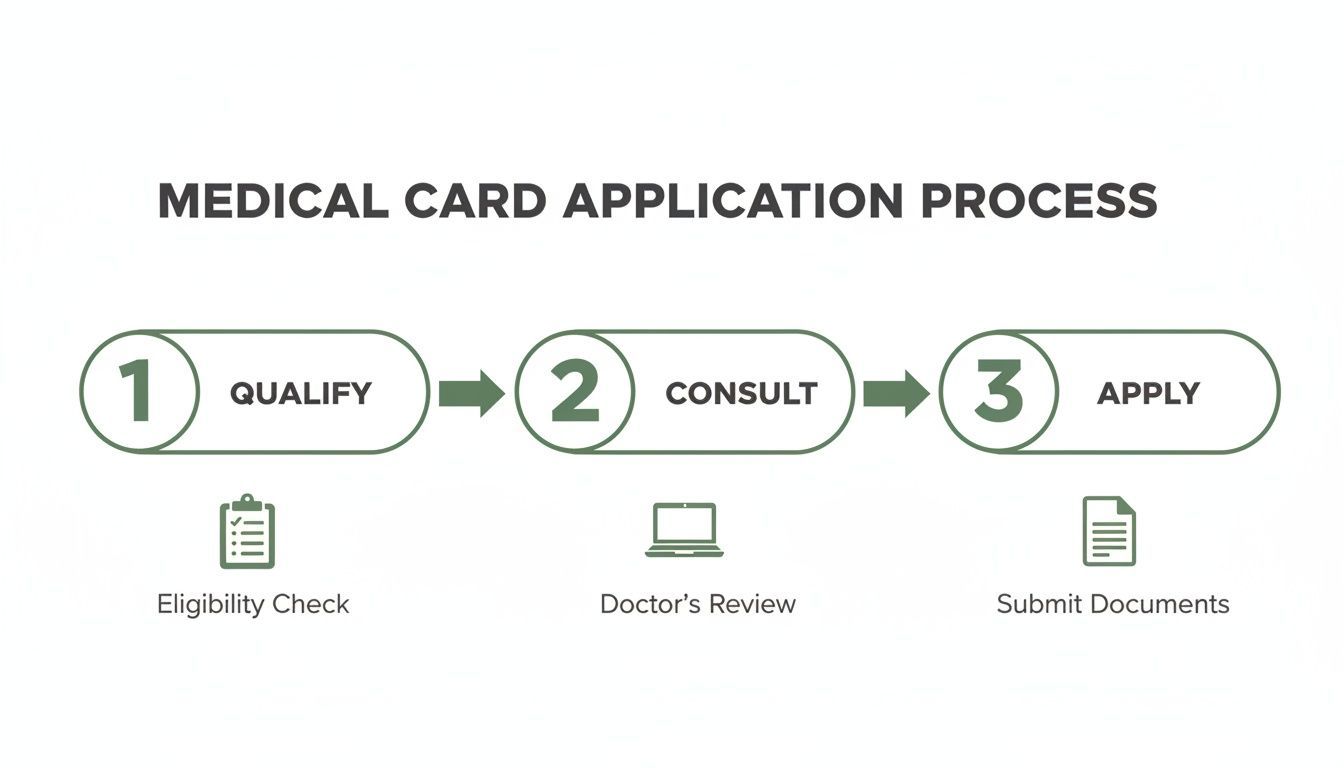
Medical marijuana has become a recognized therapeutic option for managing persistent pain, offering a plant-based approach grounded in scientific research. This coping strategy for chronic pain involves using cannabinoids like THC and CBD, which interact with the body’s endocannabinoid system to help regulate pain signals and reduce inflammation. Unlike recreational use, medical marijuana is recommended and overseen by a healthcare provider to ensure safe, effective use as part of a larger pain management plan. For residents of Mississippi, obtaining a medical marijuana card is the first step toward legally accessing state-regulated products.
How Medical Marijuana Helps Chronic Pain
The effectiveness of medical marijuana stems from its ability to target pain through multiple biological pathways. For many individuals, this leads to significant improvements in quality of life.
- Fibromyalgia: Patients often report pain reduction between 30% and 50%, alongside better sleep quality.
- Arthritis: Many individuals find they can decrease their reliance on other pain medications after incorporating medical marijuana into their routine.
- Neuropathic Pain: Those with nerve damage frequently experience less intense pain and fewer sleep disturbances.
Medical marijuana can be a valuable component of an integrated pain management strategy, especially when conventional treatments provide insufficient relief or cause undesirable side effects.
Getting Started Safely in Mississippi
Proper guidance is essential for successfully using medical marijuana for pain. A structured approach ensures you find the right product and dosage for your specific needs, adhering to Mississippi state guidelines.
- Start Low, Go Slow: Begin with the smallest possible dose and increase it gradually over days or weeks until you find the desired level of relief.
- Keep a Journal: Document your dose, product type, and symptoms daily. This log will help you and your provider identify what works best.
- Consult Your Provider: Always discuss potential interactions between medical marijuana and your current medications with a qualified professional.
- Explore Formulations: The effects of whole flower can differ from isolates. Similarly, understanding the role of plant compounds can refine your choices. To learn more about these compounds, you can read about terpenes and how they influence effects.
- Schedule Follow-Ups: Regular check-ins with your provider are crucial for adjusting your treatment plan as your condition or symptoms change.
2. Cognitive Behavioral Therapy (CBT) for Chronic Pain
Cognitive Behavioral Therapy is a well-established psychological coping strategy for chronic pain that focuses on the powerful connection between thoughts, feelings, and physical sensations. Rather than aiming to eliminate pain, CBT equips individuals with practical skills to change negative thought patterns and behaviors that can worsen their experience of pain. This structured, goal-oriented approach helps people regain control, reduce suffering, and improve their ability to function despite persistent discomfort.

How CBT Helps Chronic Pain
The core idea of CBT is that while pain is a real physical sensation, our interpretation of it shapes our emotional and behavioral responses. By learning to identify and reframe these thoughts, patients can effectively turn down the "volume" of their pain.
- Back Pain: Individuals learn to challenge catastrophizing thoughts like "this pain will never end," which allows them to gradually increase activity levels without fear.
- Fibromyalgia: CBT techniques can improve sleep hygiene and reduce the perception of pain, leading to better daily functioning and less emotional distress.
- Chronic Headaches: Patients can identify specific stress triggers that precede their headaches and develop proactive coping mechanisms to manage them.
CBT empowers you to become an active participant in your pain management by teaching you how to modify the thoughts and behaviors that amplify your suffering.
Getting Started Safely
Integrating CBT into your pain care plan is most effective with professional guidance. A systematic approach ensures you build skills that produce lasting change.
- Find a Specialist: Seek a therapist who has specific training and experience in applying CBT for chronic pain conditions.
- Practice Consistently: CBT is not a passive treatment. Complete "homework" assignments, such as thought records or behavioral experiments, between sessions to build momentum.
- Keep a Thought Record: Regularly write down triggering situations, your automatic negative thoughts about the pain, and how you could reframe them more constructively.
- Combine with Other Strategies: CBT works exceptionally well when paired with other treatments, such as physical therapy or medical marijuana, as part of a holistic approach to pain management.
- Be Patient with Yourself: Changing long-standing cognitive habits requires time and consistent effort. Progress often happens in small, incremental steps.
3. Physical Therapy and Therapeutic Exercise
Physical therapy involves structured movement, stretching, and strengthening exercises designed by a professional to restore function, improve mobility, and reduce pain. This coping strategy for chronic pain focuses on creating personalized exercise programs that progressively build strength and flexibility. Regular movement is foundational for recovery, helping prevent the deconditioning that often worsens chronic pain conditions.

How Physical Therapy Helps Chronic Pain
The goal of therapeutic exercise is to make daily activities easier by strengthening the muscles that support your body and improving your range of motion. This approach can lead to profound, long-term relief and functional improvement.
- Osteoarthritis: Patients can strengthen the muscles around joints like the knee, which may improve stability enough to delay or avoid surgery.
- Back Pain: Improving core stability and learning proper movement mechanics helps reduce pain recurrence and protects the spine.
- Fibromyalgia: A physical therapist can guide a patient to gradually increase exercise tolerance without triggering widespread pain flare-ups.
- Post-Surgery: Guided exercises are essential for safely regaining a full range of motion and strength after a medical procedure.
Physical therapy empowers you to take an active role in your pain management, using your own body's strength to create lasting change and reduce reliance on passive treatments.
Getting Started Safely
Success with physical therapy depends on a consistent and well-guided approach that respects your body's limits. These tips can help you get the most out of your sessions.
- Start Conservatively: Always begin with gentle exercises and progress gradually to avoid causing a pain flare.
- Practice at Home: Your therapist will give you home exercises; performing them daily is critical for optimal results and continued progress.
- Communicate Honestly: Be open with your therapist about your pain levels so they can adjust the program accordingly.
- Track Your Progress: Set and monitor measurable goals, such as improvements in range of motion, strength, or ability to perform a specific task.
- Consider Pool Therapy: Aquatic therapy provides a low-impact environment where the water's buoyancy supports your body, making movement less painful.
4. Mindfulness and Meditation Practices
Mindfulness and meditation are powerful mental coping strategies for chronic pain that focus on present-moment awareness without judgment. These practices help separate the physical sensation of pain from the emotional suffering that often accompanies it, breaking the vicious cycle of pain, anxiety, and muscle tension. Instead of trying to eliminate pain, mindfulness teaches you to change your relationship with it, which can profoundly reduce its hold over your life.

How Mindfulness and Meditation Help Chronic Pain
By activating the body's relaxation response, these techniques can alter how the brain processes pain signals and reduce the physiological stress that worsens pain.
- Migraines: Regular practice has been shown to reduce the frequency and intensity of migraine attacks.
- General Chronic Pain: Studies on Mindfulness-Based Stress Reduction (MBSR) show participants often report pain score reductions of 25-30%.
- Fibromyalgia: Patients frequently note improved daily functioning, better mood, and a decreased sense of suffering, even if pain levels remain.
Mindfulness doesn't necessarily erase pain, but it can dramatically reduce the suffering associated with it by teaching you to observe discomfort with calm acceptance rather than resistance.
Getting Started Safely
Building a meditation practice is a skill that develops with consistency. A gentle, structured approach is the most effective way to integrate it into your pain management routine.
- Start Small: Begin with just five to ten minutes of practice each day. You can gradually increase the duration as you become more comfortable.
- Use Guided Meditations: Apps like Insight Timer, Calm, or Headspace offer guided sessions designed specifically for pain management.
- Try a Body Scan: This practice involves bringing gentle, nonjudgmental awareness to different parts of your body, which helps you notice sensations without reacting to them.
- Practice When Pain is Lower: Build your skills when your pain is mild to moderate. This makes it easier to apply the techniques during more severe flare-ups.
- Join a Group: A local or online meditation group can provide a sense of community and accountability, which helps maintain motivation.
5. Heat and Cold Therapy
Heat and cold therapy, also known as thermal therapy, is an accessible and effective coping strategy for chronic pain. This method uses temperature application to modulate pain signals, reduce inflammation, and ease muscle tension. Heat therapy works by increasing blood flow to the affected area, which helps relax tight muscles and soothe stiffness. In contrast, cold therapy constricts blood vessels, which reduces swelling, inflammation, and creates a numbing sensation that dulls acute pain.
How Heat and Cold Therapy Help Chronic Pain
The power of thermal therapy comes from its direct physiological effects and its role in the gate control theory of pain, where temperature sensations can override and block pain signals from reaching the brain.
- Arthritis: Applying a heating pad or warm compress to stiff joints, especially in the morning, can improve mobility and decrease discomfort.
- Acute Injuries: Using an ice pack within the first 48 hours of a sprain or strain helps manage inflammation and provides significant pain relief.
- Muscle Tension: Individuals with chronic back or neck pain often find that a warm shower or heating pad relaxes tense muscles and reduces pain intensity.
Thermal therapies are a cornerstone of self-management for chronic pain, offering a non-invasive and drug-free way to gain immediate control over symptoms.
Getting Started Safely
Using heat and cold therapy correctly is key to maximizing benefits and preventing skin or tissue damage. A systematic approach ensures you apply the right temperature at the right time.
- Choose the Right Temperature: Use heat for chronic muscle pain, stiffness, and tension. Use cold for acute injuries, inflammation, and swelling.
- Limit Application Time: Apply heat or cold for only 15-20 minutes at a time, with at least an hour break in between sessions.
- Protect Your Skin: Always place a towel or cloth barrier between the thermal pack and your skin to prevent burns or frostbite.
- Consider Alternating: For certain conditions like overuse injuries, alternating between heat and cold can be beneficial. Try 15 minutes of heat followed by 15 minutes of cold.
- Combine with Gentle Movement: When appropriate, use heat to warm up muscles before gentle stretching to improve flexibility and reduce stiffness.
6. Weight Management and Nutritional Intervention
Managing your weight through targeted nutrition is a powerful coping strategy for chronic pain. Excess body weight places significant stress on joints, muscles, and the spine, often intensifying conditions like arthritis, back pain, and fibromyalgia. A medically supervised weight management and nutritional plan helps reduce this mechanical load while also addressing systemic inflammation, a key driver of persistent pain. By optimizing your diet, you can improve mobility, decrease pain severity, and support your body’s natural healing processes.
How Weight Management and Nutrition Help Chronic Pain
Losing even a moderate amount of weight can have a profound impact on pain levels and overall function. Nutritional changes further support this by reducing inflammation and supplying the body with essential nutrients for tissue repair.
- Knee Osteoarthritis: Research shows that patients who lose just 10% of their body weight can experience a 50% reduction in knee pain.
- Chronic Back Pain: Combining core strengthening exercises with weight loss often leads to significant improvements in stability and pain relief.
- Diabetic Neuropathy: Effective weight management is a key factor in controlling blood sugar levels, which can reduce the painful symptoms of nerve damage.
A healthy weight and an anti-inflammatory diet work together to lessen the burden on your body, helping to break the cycle of pain and inflammation that characterizes many chronic conditions.
Getting Started Safely
Embarking on a weight management journey requires a thoughtful and structured approach for lasting success. Proper guidance ensures you meet your goals without compromising your health.
- Adopt an Anti-Inflammatory Diet: Focus on whole foods like those in the Mediterranean diet, including fruits, vegetables, lean proteins, and healthy fats.
- Reduce Inflammatory Foods: Limit your intake of processed foods, excess sugar, and refined carbohydrates, which can worsen inflammation and pain.
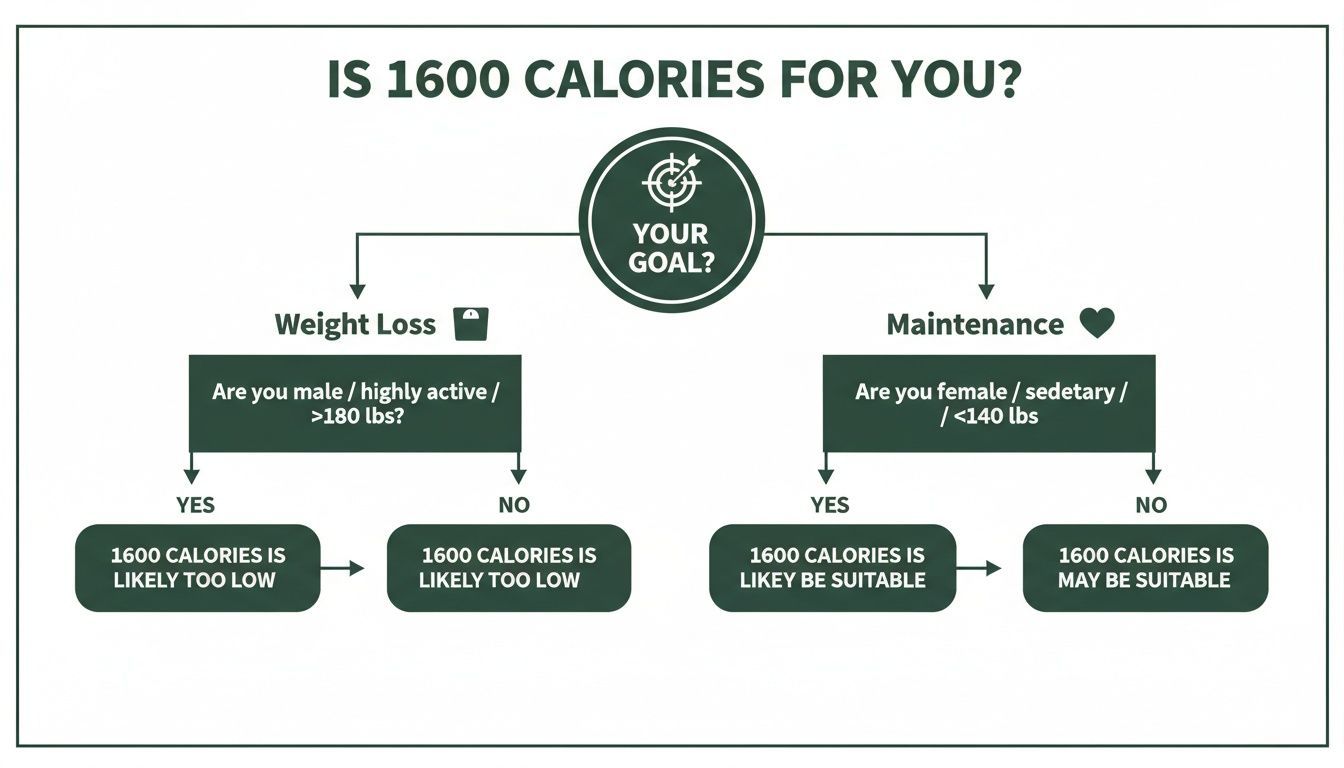
- Track Your Intake: Keep a food and pain journal to identify potential dietary triggers and monitor your progress. You can explore structured meal plans, such as understanding what a 1600-calorie-a-day plan might look like.
- Prioritize Protein: Ensure you get enough protein to preserve lean muscle mass while losing fat, which is essential for strength and metabolism.
- Combine with Activity: Integrate gentle physical activity, as approved by your provider, to maximize the benefits of your nutritional changes.
7. Mindful Movement Practices (Yoga, Tai Chi, Qigong)
Mindful movement practices blend gentle physical activity with focused breathing and body awareness, creating an effective coping strategy for chronic pain. These disciplines, such as yoga, tai chi, and qigong, help reduce pain perception while improving flexibility, balance, and mental calm. By uniting the mind and body, these ancient practices address both the physical symptoms and the psychological stress that often accompanies persistent pain conditions.
How Mindful Movement Helps Chronic pain
The power of these practices lies in their ability to calm the nervous system and retrain the brain's response to pain signals. This approach can lead to profound and lasting relief, enhancing overall well-being.
- Arthritis: Gentle yoga can improve joint range of motion and reduce stiffness, making daily movements easier.
- Chronic Back Pain: Regular practice helps strengthen core muscles and improve posture, which can prevent pain recurrence.
- Fibromyalgia: Many patients report reduced pain sensitivity and better sleep quality after incorporating gentle yoga or tai chi.
- Older Adults: Tai chi is particularly effective at improving balance and coordination, which helps reduce the fear and risk of falling.
Mindful movement teaches you to work with your body, not against it, fostering a sense of control and resilience in the face of chronic pain.
Getting Started Safely
A thoughtful and gradual start is key to incorporating mindful movement into your routine without causing a flare-up. The goal is gentle progress, not perfect performance.
- Start with Gentle Classes: Look for beginner, restorative, or chair-based classes specifically designed for people with physical limitations.
- Focus on Breath: Prioritize mindful breathing over achieving perfect poses. The breath is your guide to staying within your comfort zone.
- Find an Experienced Instructor: Work with teachers who have experience modifying movements for chronic pain and can offer personalized guidance.
- Modify as Needed: Never push through sharp pain. Adapt any movement to match your body’s ability level on that particular day.
- Practice Consistently: Aim for 3-4 short sessions per week to build momentum and achieve optimal pain-reducing benefits.
8. Sleep Optimization and Circadian Rhythm Management
The relationship between sleep and pain is a powerful, bidirectional cycle. Poor sleep heightens pain sensitivity and lowers your pain threshold, while chronic pain consistently disrupts healthy sleep patterns. This coping strategy for chronic pain focuses on improving sleep quality and managing your internal body clock, or circadian rhythm, to break this vicious cycle. By prioritizing restorative sleep, you can enhance your body's natural recovery processes, support immune function, and build greater resilience against pain.
How Sleep Optimization Helps Chronic Pain
Improving sleep hygiene and circadian rhythm consistency can directly reduce pain intensity and improve daily function. The results are often profound, demonstrating how fundamental sleep is to overall well-being.
- Fibromyalgia: Sufferers often see dramatic improvements in pain, fatigue, and cognitive fog when they achieve deeper, more consistent sleep.
- Back Pain: Correct sleep positioning and a supportive environment can significantly reduce nighttime pain and morning stiffness.
- General Chronic Pain: Studies show that improving sleep can lead to pain score reductions of 20-40%, showcasing a direct link between rest and relief.
A well-regulated sleep schedule is not just about feeling rested; it's a non-negotiable part of an effective pain management plan that restores the body’s ability to heal and cope.
Getting Started Safely
Creating a robust sleep routine requires consistency and a multi-faceted approach. These actionable steps can help you build a foundation for better sleep and, in turn, better pain control.
- Maintain a Strict Schedule: Go to bed and wake up at the same time every day, even on weekends, to stabilize your circadian rhythm.
- Create a Sleep Sanctuary: Ensure your bedroom is dark, cool, and quiet. Use blackout curtains, a fan, or a white noise machine if needed.
- Avoid Stimulants: Limit caffeine, especially after the early afternoon, and avoid large meals or excessive fluids close to bedtime.
- Power Down Electronics: Stop using screens like phones, tablets, and TVs at least one hour before bed, as the blue light can interfere with melatonin production.
- Develop a Relaxing Routine: Engage in calming activities before bed, such as reading a book, gentle stretching, or taking a warm bath.
- Consider Evening Support: Certain medical marijuana products are formulated for evening use and can assist with sleep onset and duration for qualifying patients in Mississippi. Discuss these options with your provider.
9. Social Support and Community Engagement
Chronic pain can be an incredibly isolating experience, often leading to a cycle of withdrawal, depression, and increased pain perception. Social support and community engagement are powerful coping strategies for chronic pain that directly counter this isolation. By connecting with others who understand, you can find emotional validation, practical advice, and a renewed sense of belonging that improves resilience and overall well-being. This approach focuses on building meaningful relationships that combat the anxiety and loneliness that frequently magnify pain.
How Social Support Helps Chronic Pain
Engaging with a supportive community provides a buffer against the mental and emotional toll of living with a chronic condition. The shared understanding and encouragement can lead to measurable improvements in mental health and pain management.
- Fibromyalgia: Online communities, like those hosted by the National Fibromyalgia Association, provide daily tips and emotional validation, which helps members feel less alone in their struggle.
- Arthritis: Support programs offered by organizations such as the Arthritis Foundation help individuals share experiences and solutions, often leading to better self-management and reduced feelings of hopelessness.
- General Chronic Pain: Hospital-sponsored or local support groups are proven to decrease depression scores among participants, demonstrating the direct link between community and improved mental health outcomes.
Meaningful social connections are not just a pleasant distraction; they are a fundamental component of effective pain management, helping to restore a sense of purpose and reduce the emotional burden of a chronic condition.
Getting Started Safely
Finding the right community and learning how to engage constructively is key to benefiting from social support. A thoughtful approach ensures these connections are a source of strength, not stress.
- Find Your Group: Look for support groups specific to your condition. The American Chronic Pain Association is an excellent resource for finding local and virtual meetings.
- Start Online: If mobility issues make in-person meetings difficult, start with online forums or social media groups. These virtual communities offer flexibility and constant access to support.
- Share and Listen: A healthy support system involves both sharing your experiences and actively listening to others. This exchange builds mutual trust and understanding.
- Set Boundaries: If a group's dynamic becomes overly negative or increases your distress, it is okay to step back. Your goal is to find encouragement, not to dwell on suffering.
- Educate Loved Ones: Help friends and family understand your condition. Sharing what your daily life is like can transform them into a more effective personal support system.
10. Stress Management and Relaxation Techniques
Stress is a significant amplifier of chronic pain, creating a difficult cycle of physical discomfort and emotional distress. It triggers muscle tension, promotes inflammation, and increases the nervous system's sensitivity to pain signals. Employing stress management and relaxation techniques is a powerful coping strategy for chronic pain that works by activating the parasympathetic nervous system, also known as the "rest and digest" state. This process reduces physical tension, calms emotional reactivity, and can directly improve pain symptoms.
How Relaxation Techniques Help Chronic Pain
The benefits of intentional relaxation are physiological, helping to counteract the body's stress response and lessen its impact on chronic conditions. This leads to tangible improvements in daily function and overall well-being.
- Chronic Migraines: Patients often report a reduction in the frequency and intensity of migraines by using tension-release exercises to address neck and shoulder tightness.
- Back Pain: Individuals with persistent back pain can find relief by alleviating the stress-related muscle tightness that often worsens their symptoms.
- Fibromyalgia: Daily practice of relaxation techniques has been shown to improve widespread pain, fatigue, and mood in those with fibromyalgia.
- Pre-Appointment Anxiety: Using calming breathing exercises before a visit to a pain clinic can reduce anxiety, leading to more productive conversations with providers.
By actively managing your body’s stress response, you gain a sense of control over your pain, breaking the cycle where stress and pain feed each other.
Getting Started Safely
Integrating relaxation into your daily routine is key to its effectiveness. A consistent and mindful approach helps you build resilience against the impacts of stress.
- Practice Daily: Dedicate 10-15 minutes each day to progressive muscle relaxation, where you systematically tense and then release different muscle groups.
- Use Guided Imagery: During moments of high pain or stress, close your eyes and visualize a calm, peaceful scene in great detail to distract and soothe your mind.
- Try 4-7-8 Breathing: Inhale quietly through your nose for 4 seconds, hold your breath for a count of 7, and exhale completely through your mouth for 8 seconds.
- Create a Calm Space: Find a quiet area where you can sit or lie down comfortably with minimal distractions to practice your chosen technique.
- Combine with Other Therapies: For some, combining relaxation techniques with other treatments like medical marijuana can create a more substantial effect on pain and anxiety. For more ideas, you can learn how to calm anxiety naturally.
- Use Technology: Smartphone apps like Calm or Headspace offer guided meditations, breathing exercises, and relaxation sessions that can provide structure and support.
10-Point Comparison of Chronic Pain Coping Strategies
| Approach | Implementation Complexity 🔄 | Resource Requirements ⚡ | Expected Outcomes 📊 | Ideal Use Cases 💡 | Key Advantages ⭐ |
|---|---|---|---|---|---|
| Medical Marijuana Therapy | 🔄 Moderate — requires prescriber oversight and legal registration in MS | ⚡ Moderate — clinic visits, product costs, ongoing supply | 📊 Moderate–High pain reduction for some conditions (variable by patient) | 💡 Neuropathic pain, cancer pain, arthritis; when non-opioid option desired | ⭐ Non-opioid alternative, individualized dosing, multiple delivery methods |
| Cognitive Behavioral Therapy (CBT) for Chronic Pain | 🔄 Moderate–High — structured sessions with trained therapist | ⚡ Moderate — 8–16 sessions, therapist time and cost | 📊 High impact on coping, function, and mood (weeks to months) | 💡 Pain amplified by maladaptive thoughts; comorbid anxiety/depression | ⭐ Teaches lasting skills; non-pharmacologic; strong evidence base |
| Physical Therapy and Therapeutic Exercise | 🔄 Moderate — personalized progressive programs | ⚡ Moderate–High — therapist visits, equipment, home practice | 📊 High effect on function and mobility; gradual pain reduction | 💡 Musculoskeletal injuries, post-op rehab, osteoarthritis | ⭐ Addresses structural causes; improves long-term function and independence |
| Mindfulness and Meditation Practices | 🔄 Low–Moderate — habit formation and regular practice | ⚡ Low — free resources, apps or classes optional | 📊 Moderate reduction in suffering and pain tolerance (weeks–months) | 💡 Widespread chronic pain, stress-related amplification | ⭐ Low cost, no side effects, promotes neuroplasticity |
| Heat and Cold Therapy | 🔄 Low — simple self-administered applications | ⚡ Low — inexpensive packs/devices | 📊 Short-term immediate relief (15–30 min); symptom management | 💡 Acute injuries, muscle tension, arthritis stiffness | ⭐ Safe, rapid relief, low cost, easy to combine with other therapies |
| Weight Management and Nutritional Intervention | 🔄 High — sustained behavior and medical supervision | ⚡ Moderate–High — dietitian/program costs, long-term commitment | 📊 High long-term pain reduction for weight-related conditions (weeks–months) | 💡 Knee OA, back pain with excess weight, inflammatory contributors | ⭐ Addresses root contributors; broad health benefits beyond pain |
| Mindful Movement (Yoga, Tai Chi, Qigong) | 🔄 Low–Moderate — learn sequences and modifications | ⚡ Low–Moderate — class or instructor fees; home practice | 📊 Moderate improvements (20–30% pain reduction in studies); better balance | 💡 Arthritis, chronic back pain, fibromyalgia, fall-risk in older adults | ⭐ Combines physical and mental benefits; sustainable and adaptive |
| Sleep Optimization and Circadian Management | 🔄 Moderate — routines, environment changes, possible medical care | ⚡ Low–Moderate — sleep hygiene, environment adjustments, specialist visits | 📊 Moderate impact (20–40% pain sensitivity reduction with improved sleep) | 💡 Chronic pain with disrupted sleep, fibromyalgia, recovery phases | ⭐ Enhances recovery and immune function; synergizes with other treatments |
| Social Support and Community Engagement | 🔄 Low–Moderate — locating and maintaining connections | ⚡ Low — many free or low-cost groups and online options | 📊 Moderate improvement in mood, adherence, and perceived pain | 💡 Isolated patients, those needing peer coping strategies | ⭐ Reduces isolation, provides practical tips and emotional resilience |
| Stress Management and Relaxation Techniques | 🔄 Low — learnable techniques that require practice | ⚡ Low — self-directed or app/class support | 📊 Immediate short-term relief; cumulative long-term benefits | 💡 Stress-exacerbated pain, pre-procedure anxiety, tension-type pain | ⭐ Readily accessible, no side effects, complements other therapies |
Building Your Personalized Pain Management Plan in Mississippi
Navigating the landscape of chronic pain can feel overwhelming, but you now have a detailed map of ten powerful coping strategies. From understanding the therapeutic potential of medical marijuana to integrating cognitive behavioral therapy, physical activity, and stress management, each approach offers a distinct way to reclaim control over your well-being. The true power, however, doesn't lie in choosing just one strategy. It emerges from thoughtfully combining several into a personalized plan that fits your life in Mississippi.
The journey to effective pain management is not about finding a single "magic bullet." Instead, it is a process of discovery, learning what your body responds to, and building a toolkit of reliable methods. This article serves as your initial guide, providing evidence-based options that have helped countless others. Remember, what works during a high-pain day might be different from your go-to strategy on a low-pain day. The goal is to create a dynamic, flexible system.
Key Takeaway: The most effective approach to managing chronic pain is an integrated one. By combining physical, mental, and lifestyle-based strategies, you create a layered defense that provides more consistent and resilient relief.
From Knowledge to Action: Your Next Steps
Reading about these coping strategies for chronic pain is the first step; implementing them is where real change begins. The transition from theory to practice is often the most challenging part. It requires consistency, patience, and a willingness to adapt. You don’t have to do it alone. The most successful pain management plans are developed with professional guidance.
Consider the strategies discussed:
- Medical Marijuana Therapy: As a cornerstone for many, especially under the Mississippi Medical Cannabis Program.
- Cognitive and Mindfulness Practices: Essential for reframing your relationship with pain and reducing its emotional toll.
- Physical and Nutritional Interventions: Foundational pillars that support your body’s natural ability to heal and function.
Building your plan means selecting elements from each of these categories. It's about creating a symphony of support where each instrument plays a vital role. For example, your plan might involve using medical marijuana to manage severe pain flare-ups, practicing daily mindfulness to lower baseline stress, and engaging in gentle yoga to maintain mobility.
Why a Personalized Plan is Non-Negotiable
A generic approach to chronic pain simply doesn't work. Your pain is unique, influenced by your specific medical condition, lifestyle, daily responsibilities, and personal goals. This is precisely why a personalized plan, created with a knowledgeable healthcare provider, is so critical. A professional can help you safely integrate different therapies, ensuring they work together effectively.
For instance, a provider can guide you on how medical marijuana might interact with your current routine, suggest appropriate physical activities that won’t exacerbate your condition, and provide resources for stress management that align with your needs. This expert oversight helps you avoid pitfalls and accelerates your progress toward a better quality of life. This is where compassionate, local expertise becomes invaluable. A Mississippi-based provider understands the specific state regulations and resources available to you, making the entire process smoother and more effective. Living with chronic pain is difficult enough; getting the help you need shouldn't be.
Ready to create a truly personalized pain management plan? The team at Pause Pain and Wellness provides compassionate, expert guidance for Mississippi residents, helping you get your medical marijuana card and integrate it into a complete wellness strategy. Visit Pause Pain and Wellness to schedule your appointment and take the first step toward lasting relief.