
Medical Cannabis Blog
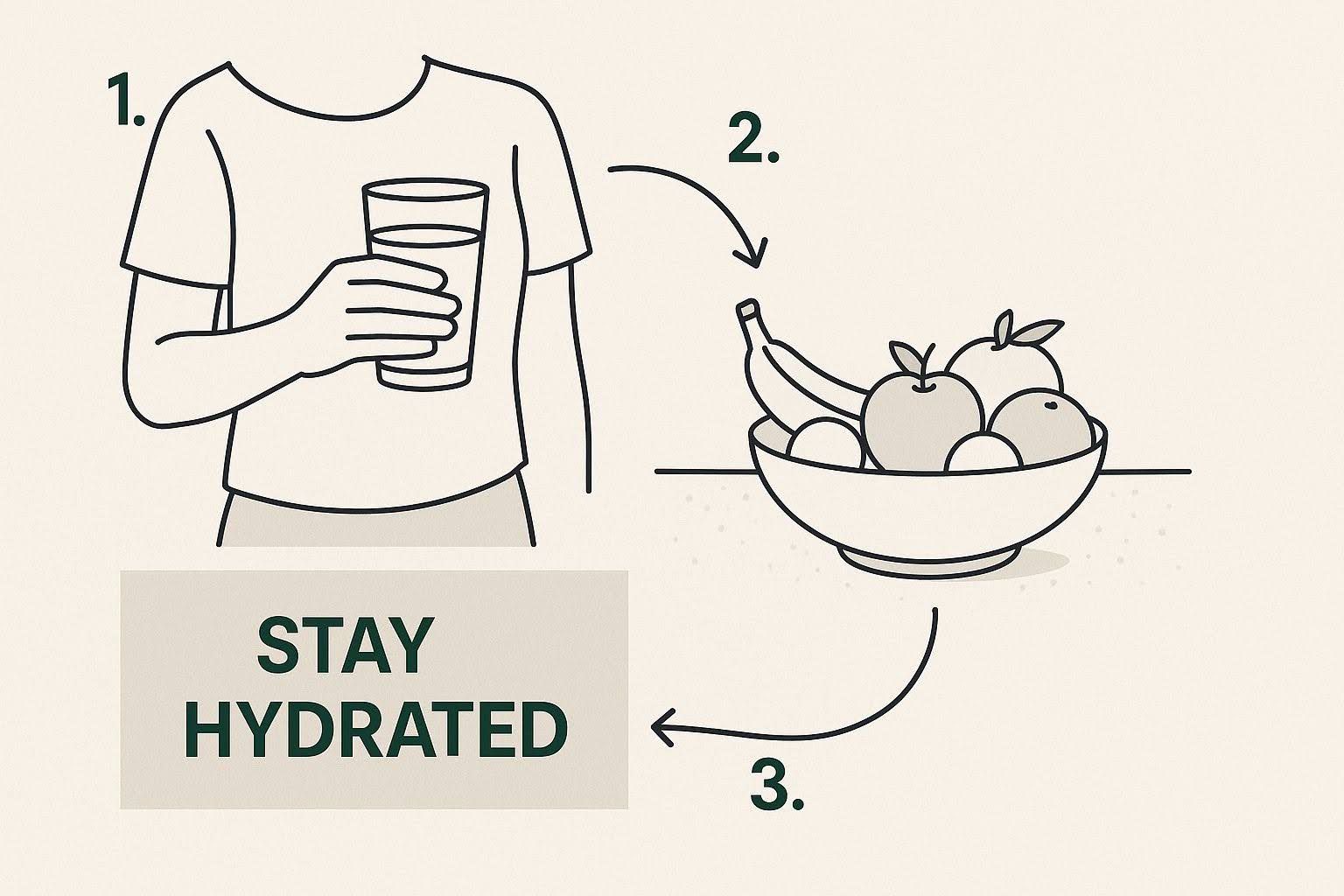
Wondering how to feel less high? Discover safe, effective methods to manage your experience and find comfort with our helpful guide.

Discover proven natural detox from weed methods in Mississippi. Learn diet, exercise, and tips to safely cleanse your system today!
A clear guide to sativa indica hybrid strains for Mississippi's medical marijuana program. Understand effects and choose the right option for your needs.
Feeling overwhelmed? Discover how to cope with burnout using real-world strategies and practical advice tailored for Mississippi residents seeking recovery.
If you’ve ever felt a strange tingling, numbness, or a sharp, pins-and-needles pain for no apparent reason, you might be experiencing neuropathy. This often-confusing condition is more common than you’d think, and understanding what’s really going on is the first step toward finding relief. What Is Neuropathy? A Guide For Mississippi Residents Think of your nervous system as a massive, intricate network of electrical wiring. This network, known as the peripheral nervous system, is responsible for sending messages between your brain and spinal cord and the rest of your body—from your arms and legs to your fingertips and toes. Neuropathy happens when this delicate wiring gets damaged. When the wires are frayed or broken, the signals can get crossed, delayed, or lost entirely. This nerve damage can trigger a wide range of confusing and often painful sensations. For many people in Mississippi, it might start subtly, maybe as a bit of numbness or that "pins and needles" feeling in your feet. For others, it can feel like a sharp, burning pain that makes even the lightest touch from a bedsheet feel unbearable. Understanding the Scope of Nerve Damage Neuropathy isn't a single disease but rather a general term for damage to peripheral nerves. The impact it has on your life really depends on which nerves are affected and how severe the damage is. This condition is surprisingly widespread. It affects an estimated 2.4% of the general population and that number jumps to nearly 8% in older adults . Globally, the issue has seen a dramatic increase, especially linked to the rise in diabetes. The number of people with diabetic neuropathy more than tripled worldwide between 1990 and 2021, now affecting around 206 million individuals. Neurological conditions are now the leading cause of illness and disability around the globe. You can read the full analysis from the World Health Organization to see just how big the impact has become. At its core, neuropathy is a communication breakdown. When nerves can't send reliable messages, the body can't respond correctly. This can affect everything from your sense of touch to your muscle control. Types of Neuropathy and Their Effects To get a better handle on the condition, it helps to know how it is classified. Neuropathy can be categorized based on how many nerves are involved or which type of nerve is damaged. Mononeuropathy: This is when a single peripheral nerve is damaged. A classic example is carpal tunnel syndrome, which affects a nerve in the wrist. Polyneuropathy: This is the most common form, affecting multiple nerves throughout the body. It often starts in the hands and feet and works its way inward. For those in Mississippi experiencing these persistent symptoms, exploring every available management option is key. Many are now turning to complementary approaches to find relief. In fact, you can learn more about how medical marijuana may help neuropathy in our detailed guide. Getting a grasp on the fundamentals of neuropathy is the first step toward recognizing the signs, seeking a proper diagnosis, and finding a path to a better quality of life. Recognizing The Common Symptoms Of Neuropathy Figuring out if you have neuropathy starts with listening to your body, but the signals it sends can be confusing. It’s not always a straightforward pain. Instead, you might notice strange sensations, like a foot that’s “fallen asleep” for no reason at all. The experience is deeply personal, and it looks different for everyone. For some Mississippians, it begins with a stubborn tingle in their toes. For others, it’s a sudden, sharp jolt in their hands that feels like an electric shock. Recognizing these early warnings is the first step toward getting answers and finding the right care. The infographic below gives a great visual overview of the different types of neuropathy, helping connect the dots between symptoms and their root causes. This chart helps show how so many different conditions can lead to nerve damage, which is why getting a thorough diagnosis is so important. The symptoms of neuropathy really depend on which nerves—sensory, motor, or autonomic—are being affected. To make it clearer, we've organized the most common signs into a table based on nerve type. Common Neuropathy Symptoms by Nerve Type
Explore common neuropathy symptoms and causes. This Mississippi guide covers diagnosis, nerve pain management, and how to get a medical marijuana card.
Discover what is integrative medicine and how this patient-centered approach to wellness is helping Mississippi residents manage their health and find relief.
Learn what is personalized medicine and how it offers tailored treatments to improve health outcomes. Find out more today!

Searching for holistic pain management near me? Discover effective, whole-person approaches in Mississippi to relieve chronic pain and improve your well-being.
Searching for a chronic pain doctor near me in Mississippi? Learn how to find a qualified specialist and explore medical marijuana as a treatment option.