How to Lose Weight with Hypothyroidism: Expert Tips
You clean up your diet. You try to walk more. You cut back on sweets. You push through fatigue and tell yourself to be more disciplined. Then the scale moves little, or it goes up anyway.
That experience is common with hypothyroidism, and it can feel quickly defeating. Many people in Mississippi come in already blaming themselves, when the core issue is that an underactive thyroid changes how the body uses energy, how it handles fluid, how hungry you feel, and how much stamina you have for exercise.
The good news is that weight loss with hypothyroidism is possible. It usually does not respond well to generic advice.
If you want to know how to lose weight with hypothyroidism , the path is not a crash diet or punishing workout plan. The path is getting the medical piece right first, then building a nutrition, activity, sleep, and stress plan your body can tolerate. For some people in Mississippi, it also means looking at related barriers like chronic pain, anxiety, or poor sleep that keep derailing progress.
The Unseen Struggle of Weight Gain with Hypothyroidism
A pattern shows up again and again. Someone starts eating less, skipping snacks, and forcing workouts despite low energy. Friends tell them to “just stay consistent.” Months pass. Their clothes still fit the same, and they feel worse than when they started.
That does not mean they are lazy. It often means their thyroid is underactive.
Hypothyroidism means the thyroid gland is not producing enough hormone to keep body systems running at the pace they should. When thyroid hormone runs low, people often notice fatigue, constipation, dry skin, feeling cold, brain fog, and stubborn weight changes. The body is not broken. It is operating with less metabolic drive.
Why this feels so personal
Weight is emotional. People often connect the number on the scale with effort, self-control, and health. So when hypothyroidism slows progress, many patients assume they failed.
They did not.
With an underactive thyroid, the same meal plan that worked before may stop working. The same walk that used to feel energizing may now leave you drained. That mismatch creates frustration because the outside world sees “trying,” but your body experiences drag.
What patients usually get wrong
The biggest mistake is chasing harder and harder tactics.
- Skipping meals: This often backfires by worsening fatigue and making later hunger harder to control.
- Overdoing cardio: Long, exhausting workouts can leave you wiped out and less consistent.
- Changing too many things at once: If sleep, medication timing, and food choices all shift randomly, it becomes hard to tell what is helping.
- Expecting rapid changes: Hypothyroid weight loss usually responds to steady systems, not urgency.
If your thyroid is under-treated, willpower is not enough. The body needs the right hormonal environment before lifestyle efforts can work well.
There is a practical way forward. Start with thyroid treatment and labs. Then tighten nutrition. Then add exercise that builds strength instead of draining you. Then deal with the hidden blockers, especially stress, poor sleep, pain, and anxiety.
That approach is more realistic, more humane, and much more likely to last.
The Medical Foundation for Thyroid Weight Loss
Before changing breakfast, buying supplements, or signing up for a gym plan, get the medical foundation in order. This is the part many people want to rush past, but it is the part that makes everything else more effective.
The thyroid influences how quickly the body burns energy. If hormone replacement is off, weight loss efforts can feel like pushing uphill in heavy mud.
What thyroid treatment changes
Hypothyroidism typically causes a modest weight gain of 5 to 10 pounds , and that gain is mainly related to salt and water retention rather than major fat accumulation, according to the American Thyroid Association’s overview of thyroid and weight. That same source notes that once treated with levothyroxine to normalize thyroid hormone levels, a person’s ability to lose or gain weight matches that of people without thyroid disease.
That point matters. It means treatment is not optional background work. It is the base layer.
The labs patients hear about most
Individuals with hypothyroidism often become familiar with a few basic thyroid labs.
| Lab | What it helps show | Why it matters for weight efforts | |---|---| | TSH | How strongly the body is signaling for more thyroid hormone | It helps show whether replacement may need adjustment | | Free T4 | Available thyroid hormone made or replaced in the body | It helps assess treatment adequacy | | Free T3 | Active thyroid hormone available for metabolic activity | It can help explain why some patients still feel sluggish |
These labs do not replace symptoms. They work together with symptoms. If someone says, “My labs are fine, but I am exhausted, constipated, and gaining weight,” that deserves a real conversation and not a brush-off.
Medication adherence is not a small detail
Patients often underestimate how much inconsistency can interfere with progress. Missing doses, taking medication irregularly, or changing routines often can keep thyroid levels less stable.
A few practical rules help:
- Take medication exactly as prescribed. Consistency matters more than motivation.
- Use the same routine each day. If your timing changes all the time, absorption and symptom tracking become harder.
- Keep follow-up labs current. Thyroid needs can change over time.
- Report persistent symptoms. If fatigue, constipation, and weight resistance continue, say so clearly.
What does not work
Many people try to out-eat or out-exercise untreated hypothyroidism. That usually leads to frustration.
These approaches often disappoint:
- Starting a restrictive diet before treatment is optimized
- Using “thyroid support” products instead of prescribed medication
- Assuming one normal lab means everything is ideal
- Ignoring symptoms because the scale is the only focus
There is also a second layer to understand. The verified data shows hypothyroidism can significantly reduce metabolic rate. That helps explain why generic meal plans often miss the mark for these patients. If your body is burning less energy than expected, old habits may no longer maintain or reduce weight the same way.
A better sequence
A practical order looks like this:
- First, stabilize thyroid replacement
- Second, review ongoing symptoms
- Third, create a food plan that fits a slower metabolism
- Fourth, build movement around energy levels, not guilt
The most effective weight plan for hypothyroidism starts in the medicine cabinet, not the pantry.
That may sound less exciting than a new diet trend, but it is what works in real life. When thyroid hormone is properly replaced, the body becomes much more responsive to the choices you make afterward.
Building a Thyroid-Friendly Nutrition Plan
Once treatment is on track, food choices start to matter in a more predictable way. At this stage, many people ask for a “hypothyroidism diet,” but a more accurate description is less glamorous and more useful. There is no magic menu. There is a structure that supports a slower metabolism, steadier blood sugar, better digestion, and more sustainable hunger control.
A good thyroid-friendly plan is not starvation. It is nutrient-dense, high in fiber, adequate in protein, and realistic enough to repeat .
What your plate should do
The goal of each meal is simple. It should keep you full, support muscle, avoid a blood sugar spike followed by a crash, and be gentle enough that you can keep doing it next week.

A practical meal pattern often includes:
- Lean protein: fish, poultry, eggs, Greek yogurt, beans, lentils, tofu
- Fiber-rich produce: vegetables, berries, apples, pears, leafy greens
- Complex carbohydrates: oats, beans, lentils, quinoa, sweet potatoes, brown rice
- Healthy fats: olive oil, avocado, nuts, seeds
Many people do better when a substantial portion of the plate is built from vegetables and lean protein, with smaller portions of starch and added fats. That pattern supports fullness without requiring extreme restriction.
Fiber deserves special attention
One of the most practical nutrition targets for hypothyroidism is fiber. Verified guidance notes that increasing fiber intake to 25 grams per day for adult women and 38 grams per day for men helps with satiety and constipation, which is a frequent symptom in hypothyroidism, and the related 2024 meta-analysis found that diet-based weight loss interventions significantly improved thyroid hormone profiles in obese individuals with hypothyroidism in this PubMed record.
Fiber helps in two directions at once. It supports fullness, and it supports bowel regularity.
Good ways to increase fiber without making meals miserable:
- Add beans or lentils to soups, salads, or bowls
- Choose fruit with texture such as berries, pears, or apples
- Build half the plate from vegetables
- Swap refined grains for oats or other higher-fiber options
If your current intake is low, increase fiber gradually and pair it with more fluids.
Carbs are not the enemy, but they need boundaries
Many people with hypothyroidism notice they feel worse on a diet built around bread, pasta, sweets, crackers, and large portions of white rice. That makes sense clinically. Simpler carbohydrates are easy to overeat and often do not keep people full for long.
That does not mean you have to fear all carbs. It means you should be selective.
Consider this approach:
| Choose more often | Limit more often |
|---|---|
| Beans and lentils | Candy and desserts |
| Oats | Sugary drinks |
| Sweet potatoes | Large portions of white bread |
| Whole fruits | Pastries and snack cakes |
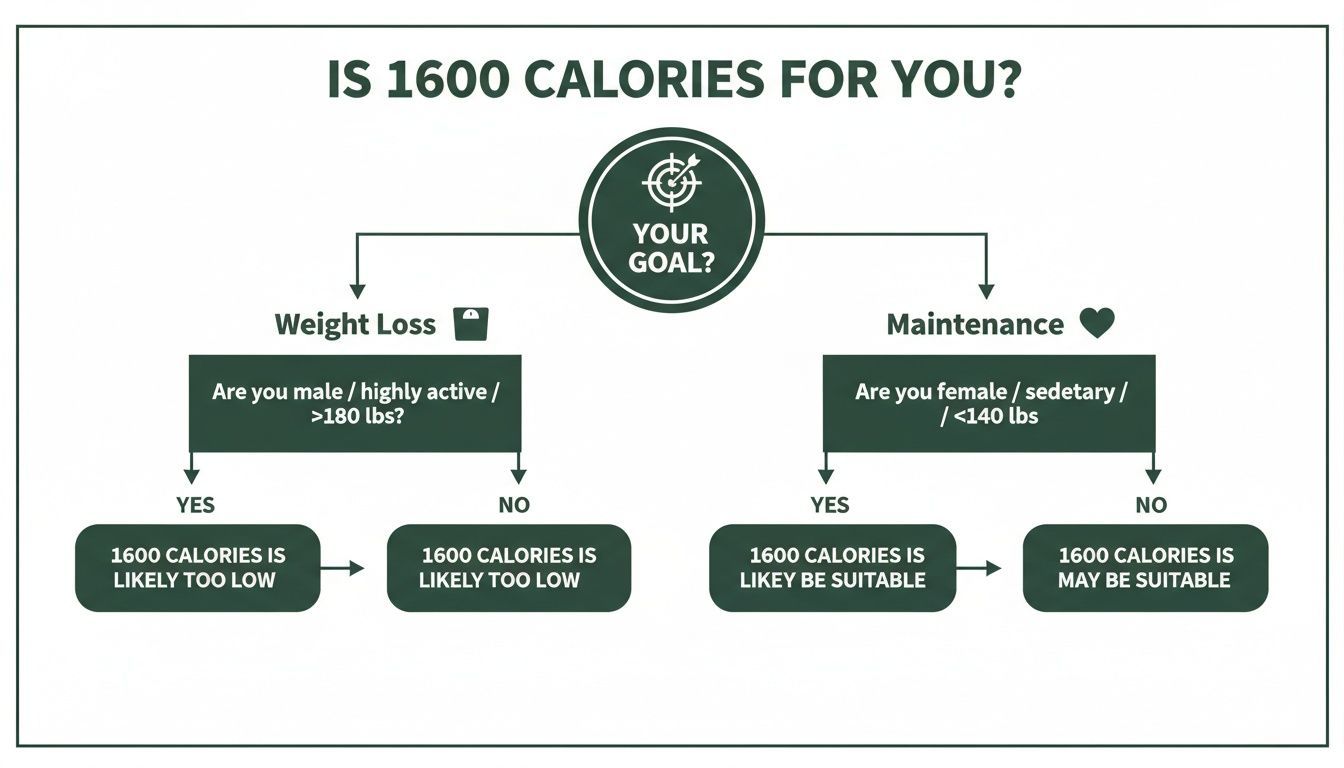
For readers trying to structure intake more deliberately, this guide on what a 1600 calorie day can look like can help you visualize portion balance without sliding into a crash diet mindset.
What about goitrogens and thyroid foods
This topic gets overcomplicated online. Foods like cruciferous vegetables are not the enemy. Raw, excessive intake may be a concern for some people, but in normal amounts, and especially when cooked, they can still fit into a healthy plan.
The bigger problems are usually not broccoli or cabbage. The bigger problems are:
- heavily processed foods
- frequent sweets
- oversized portions
- erratic meal timing
- under-eating during the day and overeating at night
Meal timing matters more than perfection
Many patients feel better with smaller, more frequent meals rather than very large meals that leave them sleepy and bloated. This can help with blood sugar swings and make energy feel more stable.
One simple pattern is:
- breakfast with protein and fiber
- lunch built around protein, vegetables, and a smart carb
- an afternoon snack if needed
- dinner that is satisfying but not oversized
This is a good point to see a visual explanation in action.
What often doesn't work
The worst nutrition advice for hypothyroidism usually sounds dramatic.
Avoid these common traps:
- Crash diets
- Detoxes
- Very low calorie plans
- All-or-nothing food rules
- Skipping protein
A calm, repeatable plan beats a perfect one you can only follow for five days.
Adapting Your Exercise for Thyroid Health
Many people think the answer is more cardio. Run longer. Sweat harder. Push through. For hypothyroidism, that is often the wrong focus.
If energy is already low, exhausting exercise can make consistency harder. People end up sore, depleted, and less active the rest of the week. The better strategy is to use movement to build function, preserve muscle, and improve metabolic health without draining your system.
Why muscle matters so much
When people lose weight, they do not want to lose muscle with it. Muscle supports resting energy use, physical capacity, and long-term weight maintenance.
Verified guidance notes that protein intake around 1.6 grams per kilogram of body weight is recommended to help preserve metabolism-supporting muscle during weight loss in hypothyroid patients, according to Medical News Today’s review. Nutrition supports that goal, but training matters too.
Strength training beats punishment workouts
At this point, I often redirect patients. Instead of asking, “How many calories did you burn?” ask, “Did your workout build you up or wear you down?”
Strength training usually wins that comparison.
Good options include:
- Bodyweight movements: sit-to-stands, wall push-ups, step-ups
- Resistance bands: rows, presses, squats, lateral walks
- Light dumbbells: presses, deadlifts, carries, rows
- Machine-based resistance: helpful for people who want more joint support
You do not need a complicated split routine. You need a repeatable one.
A smart starting template
A gentle weekly structure might look like this:
| Focus | Example |
|---|---|
| Strength days | Full-body resistance work with simple movements |
| Walking days | Steady walking at a pace that feels sustainable |
| Recovery work | Stretching, mobility, easy yoga, or rest |
This structure works because it is balanced. It builds strength without demanding peak performance every day.
Consistency outruns intensity when you are learning how to lose weight with hypothyroidism.
How to judge whether exercise is helping
Use a practical test. Your plan is probably appropriate if:
- you feel a little stronger after a few weeks
- your energy is stable or improving
- you can recover between sessions
- your hunger feels manageable
- you are not dreading every workout
Your plan may be too aggressive if:
- you are wiped out for the rest of the day
- sleep gets worse
- soreness lasts too long
- you skip sessions because you cannot face them
- your body feels inflamed rather than trained
Cardio still has value
This is not an argument against cardio. Walking, cycling, swimming, and low-impact aerobic work can support heart health, mood, and blood sugar control. The issue is dosage.
For many hypothyroid patients, moderate cardio paired with strength training works better than trying to sweat off weight through long high-intensity sessions.
Build slowly and let the body adapt
Start where your body is, not where it was years ago. That can be hard emotionally, but it is the approach that keeps people moving.
A useful mindset:
- begin with a level you can repeat
- add slowly
- protect recovery
- measure progress in strength, stamina, and consistency
That approach is not flashy. It is effective.
Managing Stress and Sleep for Hormonal Balance
Many weight-loss plans focus on food and exercise while ignoring the two things most likely to derail both. Stress and sleep shape cravings, energy, recovery, mood, and follow-through. For hypothyroidism, they can also influence how well your body uses thyroid hormone.
That is why some people do everything “right” on paper and still feel stuck.
Stress can keep the body in a slower state
When stress stays high for long stretches, patients often notice more fatigue, more cravings, more inflammation, worse sleep, and less patience with healthy routines. It becomes harder to meal prep, harder to exercise, and harder to make measured decisions.
There is also a more nuanced thyroid angle. Verified background in this brief notes that some functional medicine practitioners estimate 40 to 60% of resistant hypothyroid weight-loss cases involve elevated reverse T3, often in the setting of chronic stress and adrenal dysfunction, as discussed in this article on underactive thyroid weight loss challenges.
That does not mean every patient needs reverse T3 testing. It does mean stress is not just emotional. It can have metabolic consequences.
Daily stress control has to be small enough to do
Most patients do not need a perfect self-care routine. They need a repeatable one.
Good options include:
- Brief walks outside
- Slow breathing for a few minutes
- Gentle stretching
- Prayer, meditation, or quiet reflection
- Reducing constant stimulation from screens
If you are emotionally depleted, this guide on how to deal with burnout can be a helpful starting point for lowering the background stress load that often spills into eating and sleep patterns.
A calmer nervous system often leads to better food choices, better sleep, and better consistency. That is part of weight management too.
Sleep changes appetite and motivation
Poor sleep makes everything louder. Hunger feels stronger. Cravings feel more urgent. Exercise feels harder. Emotional resilience drops.
People with hypothyroidism often already struggle with low energy. Add poor sleep, and the body starts compensating with convenience foods, more caffeine, and less movement.
Better sleep hygiene is practical medicine
These habits help more than people expect:
- Keep a regular bedtime and wake time
- Create a darker, quieter sleep environment
- Avoid large meals right before bed
- Reduce late-night screen stimulation
- Use a wind-down routine that signals the day is over
This does not have to be elaborate. Even a consistent thirty-minute pre-bed routine can help the body settle.
The hidden connection to weight loss
When sleep improves, people usually feel better and behave differently. They snack less at night. They are more willing to cook. They recover better from exercise. They handle stress with more restraint.
That is why stress and sleep are not side issues. They are active levers in learning how to lose weight with hypothyroidism.
Partnering with a Provider for Success in Mississippi
At some point, self-guided efforts stop being enough. That is especially true when you are dealing with hypothyroidism plus other symptoms that interfere with progress.
In Mississippi, a personalized plan matters because many adults are not dealing with only one issue. They may have chronic pain that makes exercise difficult, anxiety that drives stress eating, or poor sleep that leaves them reaching for sugar and caffeine the next day.
Why a provider partnership changes the process
A good medical partnership does more than hand you a list of foods. It helps sort out what is blocking progress.
That may include:
- reviewing whether thyroid treatment is really optimized
- adjusting the food plan to match symptoms and energy
- helping you pace exercise safely
- identifying whether stress, pain, anxiety, or insomnia are undermining your routine
For some patients, this is also where integrative care becomes important.
The overlooked role of medical Marijuana in Mississippi
A major gap in standard hypothyroidism advice is the role of integrative support for co-occurring conditions. Verified guidance for this article notes that for patients in Mississippi with qualifying conditions such as chronic pain or anxiety, medical Marijuana may be a useful tool to reduce inflammation, improve sleep, and lower cortisol, which can support weight-management efforts that have stalled, as described in this educational article on hypothyroidism and weight loss support.
This point needs careful framing. Medical Marijuana is not a thyroid treatment. It does not replace thyroid medication. It does not magically cause weight loss.
What it may do, for the right patient in Mississippi, is help remove barriers that keep healthy habits from happening.
For example:
| Barrier | How supportive care may help |
|---|---|
| Chronic pain | Makes walking, strength work, and meal prep more realistic |
| Anxiety | May reduce the stress burden that drives poor eating and poor sleep |
| Insomnia | Better sleep can support appetite regulation and recovery |
Why education matters
Mississippi patients deserve clear, lawful, medical guidance. Conversations about medical Marijuana should stay educational and condition-specific.
A useful consultation should cover:
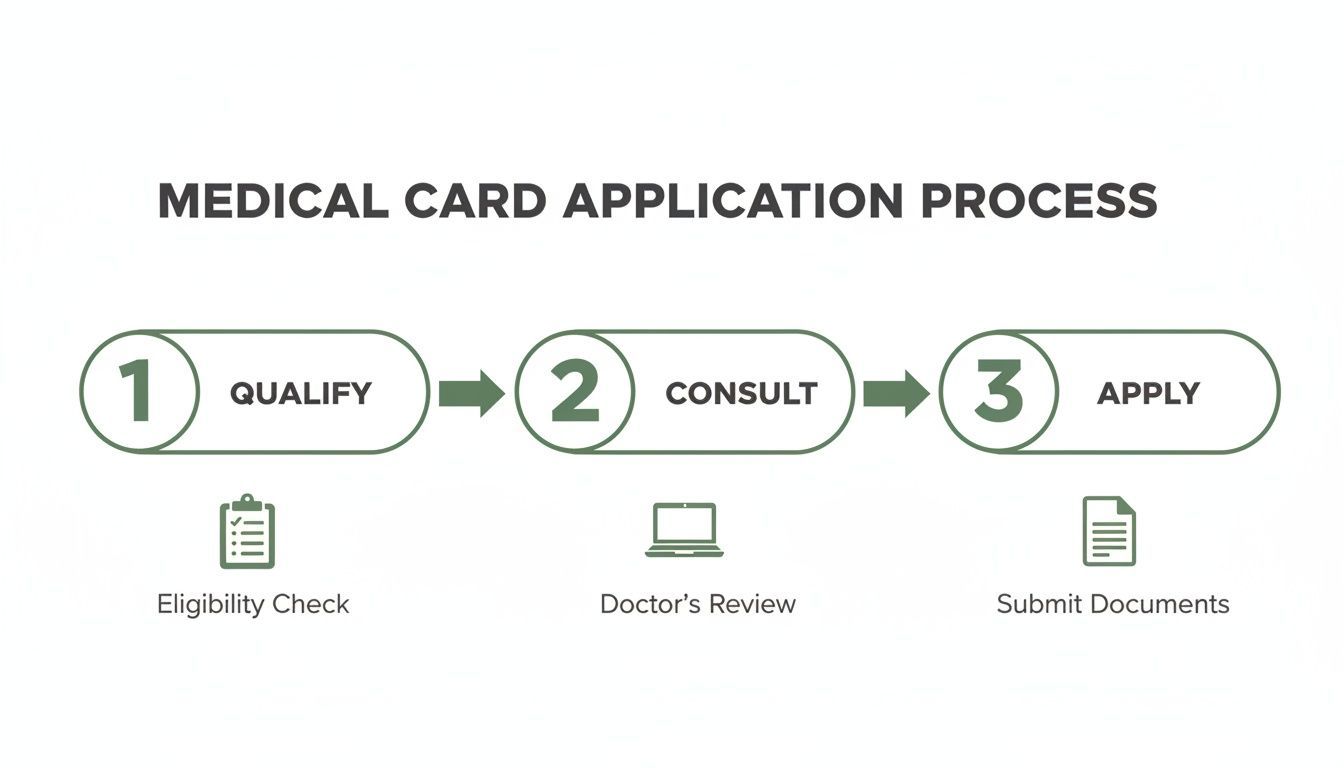
- whether you may have a qualifying condition in Mississippi
- how symptom control fits into a broader wellness plan
- what realistic expectations look like
- how to use the state process appropriately
If you are looking for broader support that combines symptom management with whole-person care, learning more about integrative medicine practitioners near me can help you understand what that style of care looks like.
What patients should expect from a personalized plan
A solid plan in Mississippi should be practical.
It should account for:
- your actual symptoms
- your work schedule
- your energy limits
- your sleep patterns
- your pain level
- your stress load
That kind of planning is quite different from a generic handout. It meets people where they are. For many adults with hypothyroidism, that is the difference between trying harder and finally moving forward.
Your Path to Sustainable Wellness and Weight Loss
The path forward is usually simpler than people expect, but not easier. Treat the thyroid first. Eat in a way that supports fullness and digestion. Build muscle without exhausting yourself. Protect sleep. Lower stress. Get help when pain, anxiety, or insomnia are blocking progress.
That is how to lose weight with hypothyroidism in a way that respects the body instead of fighting it.
Some weeks will be better than others. Progress may feel slower than you want. That does not mean the plan is failing. It often means your body needs steady input, not panic.
Try not to measure success by the scale alone. Better energy, fewer cravings, improved bowel habits, stronger workouts, and more stable moods all matter. They often show up before bigger body changes do.
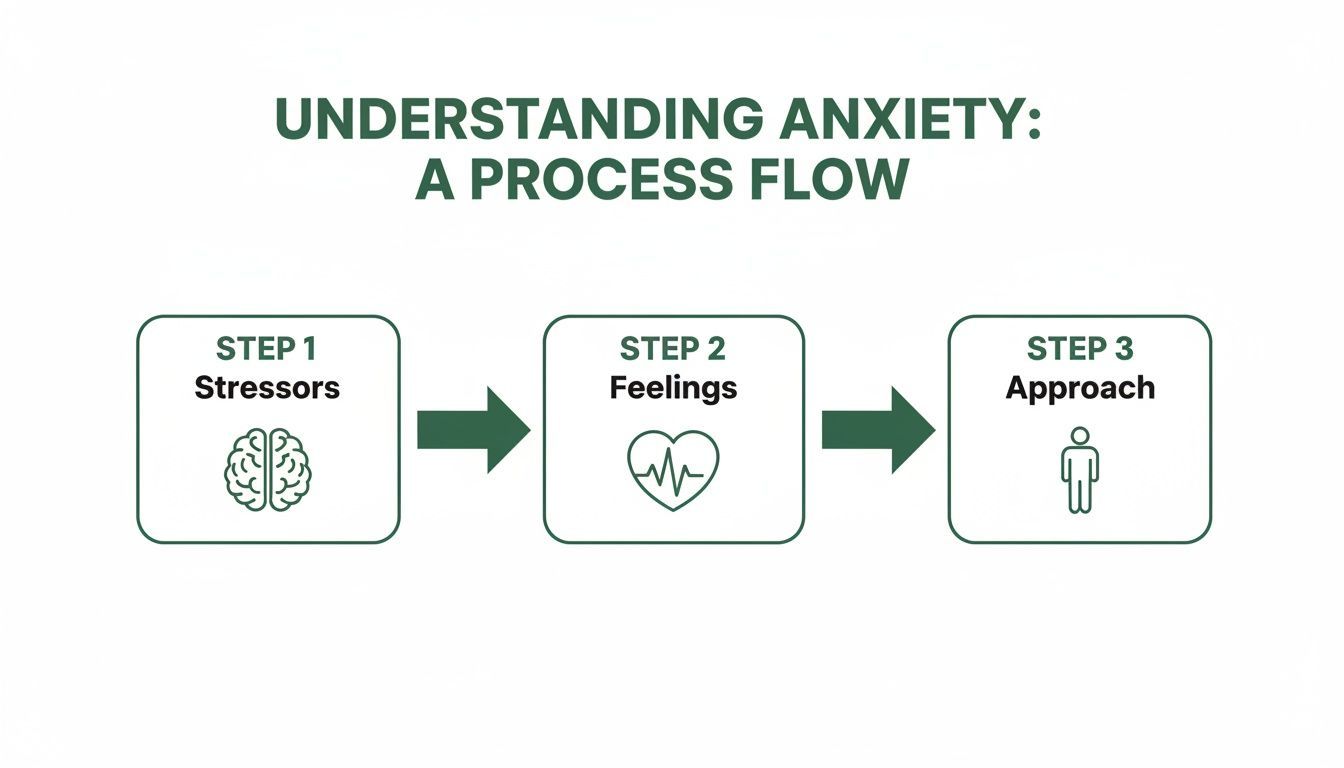
If anxiety has been part of the cycle, support for your nervous system matters too. This article on how to calm anxiety naturally can be a useful companion as you work on the stress side of weight resistance.
Be patient with yourself. Hypothyroidism can make the process slower, but it does not make it hopeless. The most durable results come from a plan you can keep living with.
If you are in Mississippi and need compassionate, practical support for weight struggles complicated by hypothyroidism, pain, anxiety, sleep problems, or questions about medical Marijuana eligibility, Pause Pain and Wellness offers educational guidance and personalized care to help you take the next step.