Can Depression Cause Physical Pain? A Guide for Mississippi Residents
Yes, the pain is real . When you're struggling with depression, the physical aches and discomfort you feel aren't "just in your head." It’s a very real medical experience where your emotional distress shows up as genuine, physical pain in your body.
The Invisible Link Between Your Mind and Your Body
Have you ever noticed unexplained back pain, relentless headaches, or sore muscles flaring up when you’re feeling down or overwhelmed? If so, you’ve felt the powerful, invisible tether connecting your emotional state to your physical health. This isn't just a feeling; it’s a biological fact.
Think of your central nervous system as a sophisticated alarm system for your body. Under normal circumstances, it goes off when there's a clear reason, like an injury. But when depression enters the picture, it's like someone turned the sensitivity dial all the way up. Signals that your brain would typically filter out are suddenly treated as major threats, triggering pain that can feel widespread and confusing.
Why This Connection Changes Everything
Understanding this link is the first real step toward finding relief that actually works. It validates what you're going through and opens the door to treatments that care for both your mind and body at the same time. When you recognize that the pain has a legitimate biological source, you can approach healing with more compassion for yourself and a much higher chance of success.
The intersection of depression and physical pain is one of the biggest challenges in modern healthcare. In 2021, an estimated 20.9% of U.S. adults were living with chronic pain. Within that group, the rates of depression are dramatically higher than in the general population, pointing to a deep, two-way street between the two conditions.
Acknowledging that your physical pain and emotional state are connected is not a sign of weakness. It's the key to unlocking a comprehensive care plan that treats you as a whole person, which is essential for lasting wellness.
This is a powerful concept, especially for Mississippi residents trying to find their way through these challenges. It allows you to explore every available, state-compliant option, including how medical Marijuana might fit into a plan guided by a qualified practitioner. By digging into how the body’s own internal systems manage both mood and pain, you can gain a much deeper understanding of your own health. A great place to start is by learning more about the endocannabinoid system and its role in our detailed guide.
How Your Brain Translates Sadness Into Aches and Pains
It’s a frustrating cycle: the worse you feel emotionally, the more your body seems to ache. This isn't just in your head—it’s a very real biological process. The connection between emotional distress and physical pain is surprisingly direct, hardwired into our nervous system.
To get a handle on this, think of your brain as having a central command center that manages both your mood and your body’s pain alerts. When everything is running smoothly, this system can easily tell the difference between a serious injury and a minor, ignorable ache.
But depression throws a major wrench in the works. This command center relies on chemical messengers called neurotransmitters to communicate between your brain and body. Two of the most important ones, serotonin and norepinephrine , are deeply involved in regulating both your emotions and how you interpret pain.
Shared Pathways for Pain and Mood
When you're dealing with depression, the levels of these vital neurotransmitters often fall out of balance. Imagine serotonin and norepinephrine as volume knobs for your nervous system. When their levels drop, it doesn’t just turn down your mood—it also cranks up the volume on pain signals traveling through your nerves.
An ache that you might normally brush off can suddenly feel intense, persistent, and impossible to ignore. The pain isn't imaginary; your brain is genuinely receiving and amplifying these signals because its regulatory system is out of whack.
The brain doesn't have separate circuits for emotional and physical pain. The pathways overlap, which is why a deep emotional hurt can feel just as real and debilitating as a physical injury.
This is the core of the mind-body connection. What happens in your mind is directly expressed in your body.

The Role of Stress and Inflammation
It's not just brain chemistry. The chronic stress that almost always comes with depression is another major player in creating physical pain. Depression can keep your body stuck in a constant state of "fight or flight," unleashing a steady stream of stress hormones like cortisol. While useful in a true emergency, a continuous flood of cortisol is damaging.
This prolonged stress response leads to widespread inflammation all over your body. Inflammation is a key driver behind many chronic pain conditions, showing up as:
- Persistent muscle soreness and stiffness
- Achy joints that seem to have no clear cause
- Overwhelming fatigue that sleep just doesn't fix
This inflammatory response is the clear biological reason why depression can hurt so much, physically. For Mississippi residents with qualifying conditions, understanding this link is crucial. It helps explain why some find that medical Marijuana, used as part of a provider-guided plan, can help manage these symptoms by interacting with the body's systems that regulate both inflammation and pain perception.
Recognizing the Physical Signs of Depression

It’s one thing to know that depression can cause physical pain, but it’s another thing entirely to recognize it happening in your own body. The pain often appears in ways that seem completely separate from your mood, making it all too easy to blame on something else—or dismiss it altogether.
These aren’t just vague feelings of being unwell. They are distinct, frustrating, and very real physical symptoms. Learning to spot them is the first real step toward getting a proper diagnosis and finding a path to relief, especially since many people live with these aches for years without ever linking them to their mental health.
How This Pain Often Shows Up
While depression-related pain can surface almost anywhere, it tends to follow a few common patterns. These symptoms usually don’t have a clear physical cause, like a recent injury, and often won’t get better with standard over-the-counter pain relievers.
-
Persistent Headaches: Tension headaches are an incredibly frequent companion to depression. All that mental and emotional strain can create chronic tightness in the muscles of your neck, scalp, and shoulders, resulting in that classic dull, aching pressure around your head.
-
Chronic Back and Muscle Aches: Do you have a deep, nagging ache in your back or a feeling of soreness all over your body that you just can't shake? This is often connected to the body-wide inflammation and heightened pain sensitivity that depression can kick into gear.
-
Digestive Distress: Your gut is sometimes called the "second brain" for a reason—it’s extremely sensitive to emotional shifts. Depression can throw your digestive system out of whack, leading to stomach cramps, nausea, bloating, and other issues that have no obvious dietary cause.
-
Joint Pain: It’s also common to feel aches in your joints without any other signs of a condition like arthritis. The widespread inflammation tied to depression can leave your joints feeling stiff, sore, and painful.
Understanding the different ways depression can manifest physically is key. If you'd like a more complete picture of the condition, you can learn more about depression symptoms in adults in our detailed guide.
How Depression Makes Existing Pain Worse
Beyond creating new aches and pains, depression has a nasty habit of pouring fuel on the fire of any pain you already have. If you’re living with a condition like arthritis, fibromyalgia, or an old injury, depression can make flare-ups more frequent, more intense, and much harder to tolerate.
It's a two-way street. Depression doesn't just sit alongside the pain; it fundamentally changes how your body registers and processes those pain signals. This creates a vicious cycle where the pain makes the depression worse, and the depression makes the pain feel more severe.
Research confirms that people with depression consistently report higher levels of pain from things like backaches, abdominal discomfort, and headaches when compared to people who aren’t depressed. It’s a powerful reminder that what’s happening in your mind truly impacts what you feel in your body.
Breaking The Vicious Cycle of Pain and Depression

The connection between physical pain and depression isn't a one-way street. It’s a destructive feedback loop where each one makes the other worse, creating a downward spiral that can feel impossible to escape. It’s like being trapped by both your mind and your body, but understanding how the cycle works is the first real step toward breaking free.
Think about someone right here in Mississippi with chronic back pain. At first, the pain is just a physical issue. But soon, it keeps them from going on fishing trips with their friends or playing with their kids. That isolation starts to weigh on them, and their mood plummets.
This growing sense of hopelessness is a straight path to depression. Now, their depression kills any motivation to do the physical therapy that could help their back. They can’t sleep, which makes both the pain and their mood worse. His brain, now chemically altered by depression, actually becomes more sensitive, amplifying the pain signals until they feel completely unbearable.
How Pain Feeds Depression
Chronic pain is a relentless thief. It steals your joy, your energy, and your hope, disrupting your life in ways that are major triggers for depression.
- Disrupted Sleep: Constant pain makes it nearly impossible to get the deep, restorative sleep your brain and body need to heal, leading to fatigue and irritability.
- Increased Stress: Living with pain puts your body in a continuous state of stress. This can burn through the very brain chemicals, like serotonin, that regulate your mood.
- Limited Activities: When pain forces you to give up things you love—whether it’s gardening, seeing friends, or just moving comfortably—it can lead to a profound sense of loss and isolation.
How Depression Feeds Pain
On the other side of the coin, depression sabotages your ability to manage pain. It drains the exact resources you need to fight back against your physical symptoms.
Depression robs you of motivation, making it a monumental effort to engage in activities like exercise or physical therapy that are crucial for managing pain. It can also push you toward social withdrawal, cutting you off from the support of friends and family—a vital buffer against the emotional toll of chronic pain.
This powerful link isn't just an observation; it's backed by compelling data. Recent research shows how depressive symptoms often spike right at the onset of chronic pain and stay persistently high, suggesting depression is both a consequence of and a contributor to the pain itself. You can discover more about this pain and depression timeline in the full study.
This vicious cycle is exactly why treating only the pain or only the depression so often fails. A truly effective treatment plan has to address both your physical and emotional health together, as two parts of the same whole.
Interrupting this pattern requires a comprehensive approach. Techniques like mindfulness, for instance, can be incredibly effective tools for calming both the body and the mind. If you're interested in exploring this, check out our guide on mindfulness meditation for pain relief.
Finding Integrated Treatment Solutions in Mississippi
Once you recognize how the cycle of pain and depression can trap you, the very next question is: how do I get out?
In Mississippi, the answer is an integrated treatment plan that addresses your mind and body as the unified system they are. A one-sided approach rarely gets the job done because the problem isn't one-sided. Your physical pain and your emotional health are deeply connected.
An effective strategy has to go beyond just chasing symptoms. Instead, it should focus on restoring your body's overall balance. This means combining proven therapies, modern medications, and powerful lifestyle adjustments to build a plan that truly fits your life. When these pieces work together, they can finally break that destructive feedback loop and open the door to lasting relief.
Building Your Comprehensive Wellness Plan
Think of your treatment plan like building a sturdy support structure—each piece reinforces the others. No single element can hold all the weight, but together, they create a strong foundation for healing. Your personal plan might include a combination of these proven methods.
-
Therapy for Mind and Body: Cognitive Behavioral Therapy (CBT) is a highly effective tool for both depression and chronic pain. It works by helping you identify and reframe the negative thought patterns that can worsen your mood. At the same time, it teaches you new coping skills to manage physical discomfort, shrinking the outsized impact pain has on your daily life.
-
Modern Medications: Certain antidepressant medications are actually designed to treat both depression and nerve-related pain. These drugs work on the shared chemical pathways in your brain that regulate mood and pain signals. This can offer a powerful two-for-one benefit.
-
Powerful Lifestyle Adjustments: Never underestimate the impact of your daily habits. An anti-inflammatory diet can help lower the body-wide inflammation that often drives pain, while gentle movement like walking or stretching can improve mobility and release mood-lifting endorphins.
The Role of Medical Marijuana in Mississippi
For some Mississippians with qualifying conditions, medical Marijuana has become a key part of their integrated wellness strategy. A certified practitioner in Mississippi is the only one who can determine if it's an appropriate option for you. When used as part of a provider-guided plan, it may offer significant positive side effects.
Many patients report that it helps them manage chronic pain that hasn't responded well to other treatments. By easing that physical discomfort, it can indirectly improve mood and dial down the feelings of hopelessness that so often come with persistent pain. This helps answer the question, "can depression cause physical pain?" by tackling one of the main drivers head-on.
For many in Mississippi, the goal isn't just to mask pain, but to reclaim quality of life. Medical Marijuana can be a valuable tool in this process, helping manage not only the pain itself but also related symptoms like anxiety and poor sleep that fuel the depression-pain cycle.
This approach aligns perfectly with the principles of integrated care, which you can explore further by reading about what integrative medicine is and how it works. It’s all about using every safe and effective tool available to support your complete well-being.
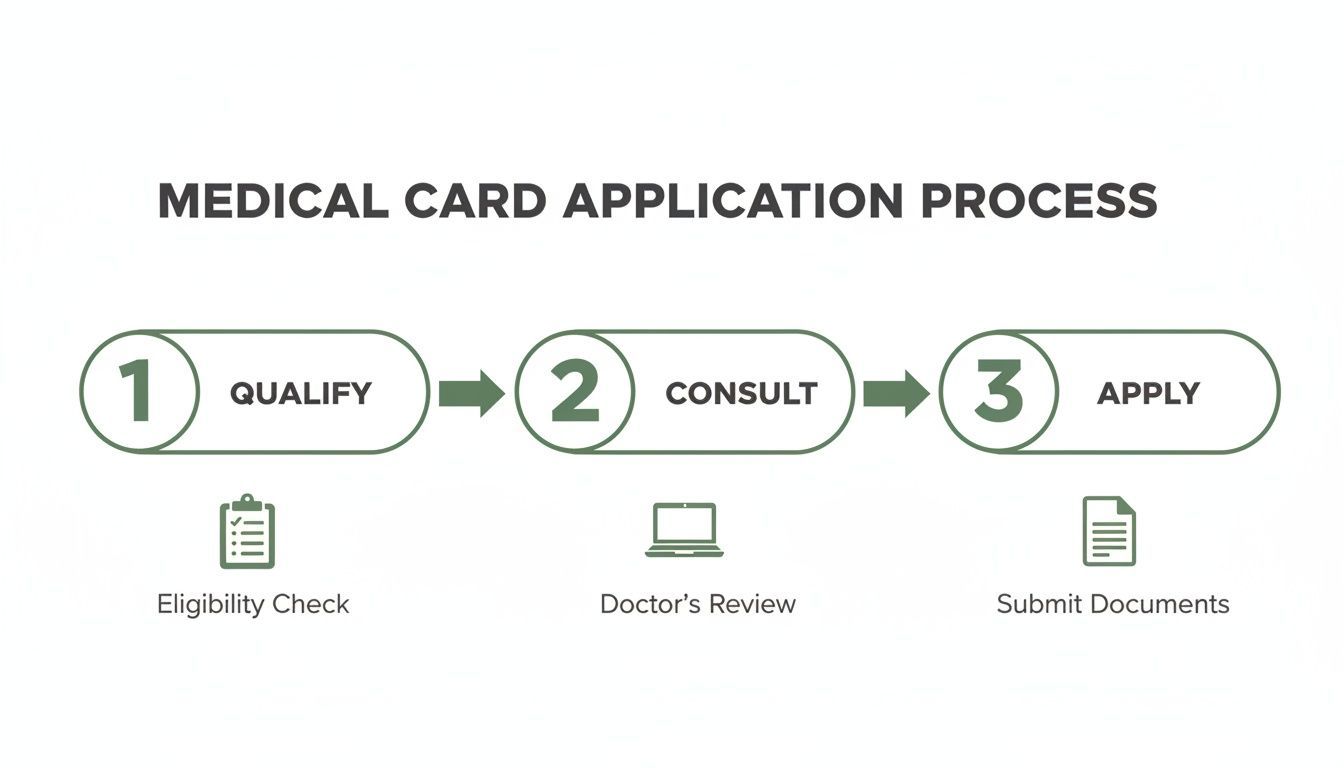
Getting a medical Marijuana card in Mississippi starts with a consultation with a healthcare professional who truly understands the state’s regulations. They will properly evaluate your condition and guide you on appropriate use as one part of a complete treatment plan, ensuring it works in harmony with any other therapies you're using.
This educational, state-compliant approach empowers you to make informed decisions about your own health, putting you back in the driver's seat. The focus is always on creating a safe, sustainable path toward feeling better—both mentally and physically.
Taking Your First Step Toward Relief
When you’re stuck in the cycle of physical pain and depression, the idea of getting help can feel like one more mountain to climb. But that first step—making the call—is often the hardest and most important one you'll take.
Let's start with a simple, powerful truth: your pain is real . It's not "all in your head," and there are effective, integrated treatments available right here in Mississippi that address both the body and the mind. Finding relief starts with having the right conversation with a healthcare provider who gets it.
How to Talk to Your Provider
The key is to connect the dots for your practitioner. Instead of listing physical symptoms and emotional symptoms separately, describe how they feed each other. This gives them the full picture of what you're actually living with.
When you go to your appointment, be ready to explain the relationship between your pain and your mood.
- Describe the Pain: Be specific. Talk about where it hurts, what it feels like, and what triggers it. For example, "I have a constant, dull ache in my lower back, but it becomes a sharp, radiating pain after a stressful day at work."
- Describe Your Mood: Connect your emotional state directly to the physical feeling. Try saying something like, "On days when my back is really acting up, I feel completely drained of hope and can't even get off the couch," or "I've noticed my tension headaches are worst when I'm feeling overwhelmed and down."
Your path to feeling better isn't one you have to walk by yourself. Finding a practitioner who truly listens and sees the connection between your physical pain and emotional health is the most critical part of finding a solution that lasts.
Opening up this conversation is how you start to reclaim your quality of life. A thorough evaluation can finally put you on a path toward real, meaningful relief.
Here in Mississippi, a qualified practitioner can also discuss whether a medical marijuana card could be a useful part of your overall wellness plan. You have the ability to take this first step. A more comfortable, hopeful future is possible.
Frequently Asked Questions About Depression and Pain
When you're trying to understand the frustrating link between your mood and physical pain, a lot of questions naturally come up. Let's walk through some of the most common ones we hear from our patients here in Mississippi.
How Do I Know If My Pain Is From Depression or an Injury?
This is one of the toughest questions, because the pain itself feels real no matter where it comes from. However, there are a few clues that your depression might be playing a major role in what you're feeling physically.
Think about the nature of your pain. Is it a widespread ache that seems to move around? Does it get worse when you're feeling particularly stressed or down? If typical pain relief methods don't seem to touch it, that's another big sign that its roots might be in your mental health.
The only way to know for sure is to get a complete medical evaluation. Talking to a healthcare provider is the most important first step you can take to get a clear diagnosis and a treatment plan that actually works.
Will My Pain Go Away If I Treat My Depression?
For many people, the answer is a resounding yes. When you effectively treat the underlying depression, the physical pain can decrease dramatically—or even disappear entirely.
This happens because some antidepressant medications are specifically designed to work on the shared brain pathways that control both mood and pain signals, tackling both problems at once. When you combine the right medication with therapy and positive lifestyle changes, the results can be truly life-changing. If there’s also a physical injury involved, a comprehensive plan will address both issues together for full relief.
Can Medical Marijuana Help With Both Pain and Depression in Mississippi?
For qualifying patients in Mississippi, medical Marijuana can be a valuable part of a broader, well-rounded treatment plan. Many patients find it helps manage their chronic pain, which can directly reduce the stress and feelings of hopelessness that fuel depression.
It can also offer relief from related issues like insomnia, which is a common symptom of both conditions. The key is to consult with a knowledgeable healthcare provider who can determine if medical Marijuana is a safe and appropriate choice for you. This ensures you're using it correctly as one piece of your overall wellness strategy, helping you make an informed and confident decision about your health.
If you’re a Mississippi resident ready to explore your options for relief, including whether a medical Marijuana card is right for you, we can help. Pause Pain and Wellness is here to guide you through every step of the process with local, compassionate care. visit us online to schedule your consultation.