Does THC Affect Antibiotics? A Patient Guide
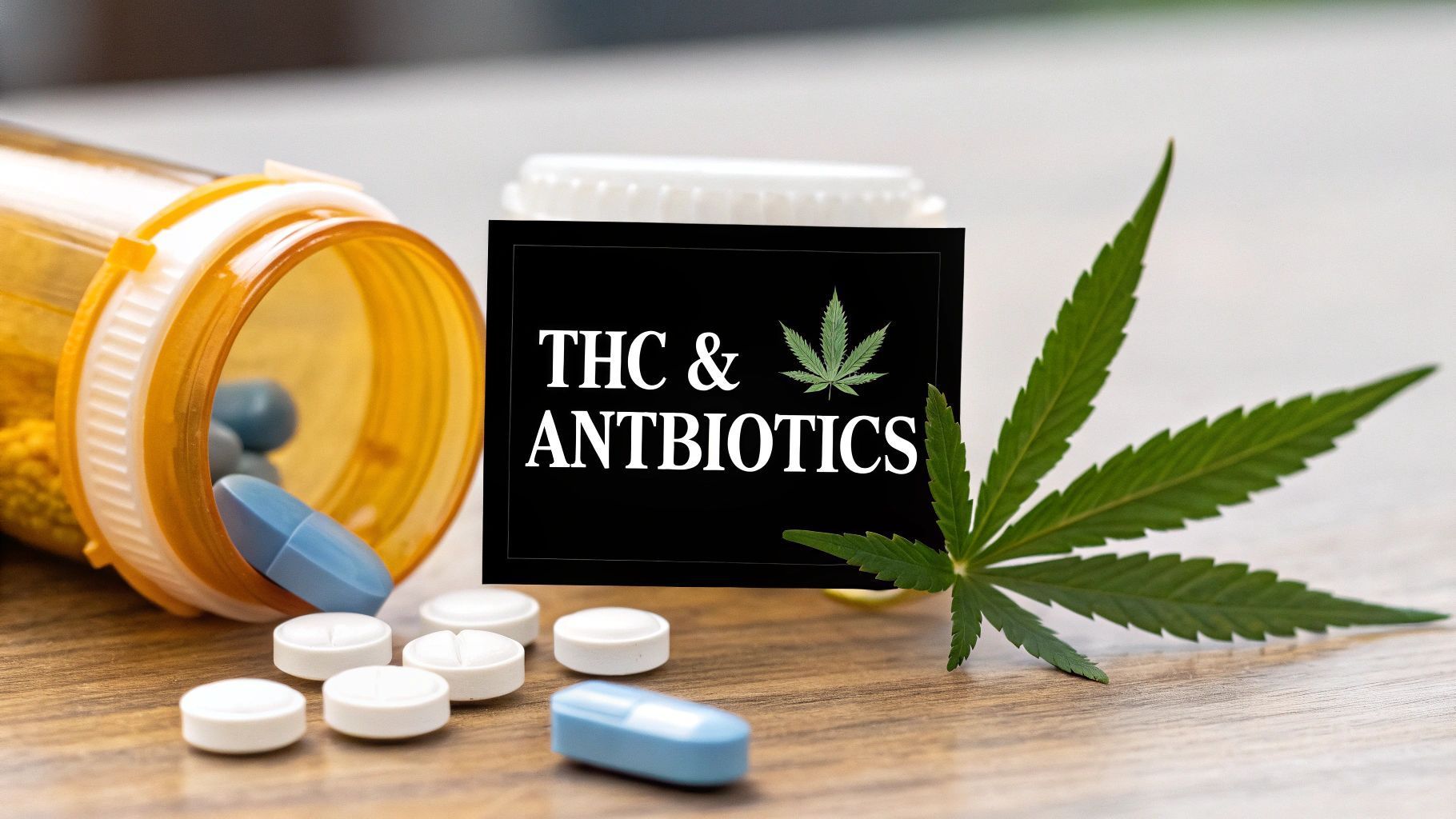
If you have a Mississippi medical marijuana card, you’re already taking a proactive role in your health. So, it’s completely natural to wonder how your medical marijuana treatment might interact with other medications, especially something as common as an antibiotic.
While
severe reactions are rare, it's a smart question to ask. The main concern isn't about one canceling the other out. Instead, it’s about how THC and certain antibiotics can compete for the same resources inside your body, potentially changing how you experience their effects
Navigating Medical Marijuana and Antibiotics in Mississippi
For patients in Mississippi managing a condition with medical marijuana, a sudden need for an antibiotic can raise new questions. Will this affect my treatment? Is it safe?
The interaction really comes down to how your liver metabolizes, or breaks down, different substances. Think of your liver as having a series of processing pathways. When you introduce both THC and certain antibiotics, they may need to use the same pathway at the same time.
This can create a bit of a "traffic jam." When that happens, your body might process one or both substances more slowly than usual, leading to higher concentrations in your bloodstream. For you, this could mean feeling more pronounced side effects from the antibiotic (like dizziness or an upset stomach) or from the THC itself. It’s why paying close attention to how you feel is so important when you’re taking both.
Understanding the Interaction Risk
The bottom line is that while using medical marijuana with antibiotics isn't outright prohibited, it does call for awareness and caution. Not all antibiotics are processed the same way, so the risk of an interaction can vary quite a bit.
Current research suggests that medical marijuana doesn't typically stop an antibiotic from fighting an infection. The more likely scenario is an alteration in side effects. Because cannabinoids can influence the liver enzymes that also break down antibiotics, you might notice a change in how your body responds. You can find more detailed information on how cannabinoids and antibiotics interact and what to be aware of.
To keep you safe and confident while following the Mississippi Medical Cannabis Program, here are a few simple guidelines:
- Talk to Your Team: Always be upfront with both your certifying practitioner and the professional prescribing the antibiotic. Make sure everyone knows about all the medications you're taking, including medical marijuana.
- Monitor Yourself: Pay close attention to your body. If you notice any new or stronger side effects—like unusual drowsiness, dizziness, or stomach issues—take note.
- Follow Professional Advice: Your healthcare provider is your best guide. They can give you personalized advice based on your health, the specific antibiotic you're taking, and your medical marijuana regimen.
By staying informed and keeping the lines of communication open with your healthcare team, you can manage your health effectively and continue to experience the positive side effects you need from your medical marijuana treatment.
To make things even clearer, we've put together a table summarizing the potential interactions with common antibiotic types.
Quick Guide to THC and Common Antibiotics
This table is a helpful starting point for understanding how different antibiotics might interact with THC. It is not a substitute for professional medical advice, but it can help you have a more informed conversation with your healthcare provider.
Remember, this guide is for educational purposes. Always consult your healthcare provider before combining any medications to ensure your treatment plan is safe and effective for you.
How Your Body Processes Medical Marijuana and Antibiotics
To get to the bottom of whether THC affects antibiotics, we first need to look at how your body handles both substances. It’s a fascinating process that’s much less complicated than it sounds.
Think of your liver as having a complex network of internal highways. On these highways, certain lanes are reserved for processing everything you consume, from food to medication. In medical terms, these are called enzyme pathways.
When you use medical marijuana, the THC travels through these pathways to be broken down. In the same way, when you take an antibiotic, it also needs to use these pathways to be metabolized so it can get to work fighting an infection. The potential for a drug interaction pops up when both THC and a specific antibiotic try to merge into the same lane at the same time.
A Metabolic Traffic Jam
Imagine a highway during rush hour. If too many cars try to cram into a single lane, everything grinds to a halt. This is a great way to picture what can happen inside your liver. When THC and certain antibiotics compete for the exact same enzyme pathway, your body simply can't process either of them as efficiently as it normally would.
This metabolic “traffic jam” can lead to one of two outcomes:
- The antibiotic might be processed much more slowly, causing its concentration in your bloodstream to rise higher than intended. This could make you feel the side effects of the antibiotic more intensely.
- The THC might be processed more slowly, leading to stronger or longer-lasting positive effects from your medical marijuana than you're used to.
This is why understanding the answer to "does THC affect antibiotics?" is all about awareness, not alarm. It helps you recognize why you might be feeling a bit different and gives you the power to monitor your body's response.
Below is an infographic providing a clear visual of THC, the main psychoactive compound in marijuana.
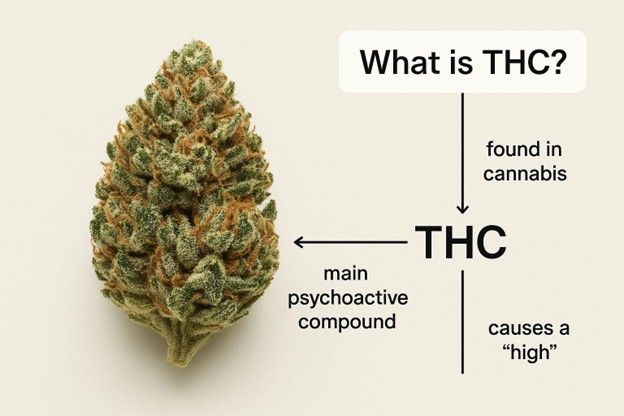
This image helps break down what THC is, which is key to understanding its role in potential medication interactions.
How You Consume Marijuana Matters
For patients here in Mississippi, it’s also important to realize that how you use your medical marijuana can influence this whole process. Your consumption method can change both the timing and the intensity of that metabolic traffic jam.
When THC is consumed in edibles, it goes through what’s known as “first-pass metabolism.” This means it travels directly from your digestive system to the liver, creating a much more concentrated and prolonged interaction with those liver enzymes compared to other methods.
Inhaling, like with a vape, sends THC straight to your bloodstream through the lungs. This completely bypasses that initial, heavy round of liver processing. The effects come on faster but don't last as long, and the potential for a direct, liver-based interaction is much lower.
For patients managing conditions like Crohn's disease, understanding these differences is vital. You can learn more about how medical marijuana can help with inflammatory bowel disease in our detailed guide.
Ultimately, whether you prefer edibles, tinctures, or inhalation, being mindful of how your body processes THC is the first step. This knowledge makes you an active partner in your own wellness, empowering you to make informed observations that you can share with your certifying practitioner. This ensures your treatment plan stays both safe and effective.
Understanding the Potential Side Effects

When you combine medical marijuana with antibiotics, the main thing to watch for isn't whether the medicine will stop working. For most Mississippi patients, the real focus shifts to how you might feel. The interaction in your liver can sometimes amplify the common side effects of either substance, creating a more intense experience than you're used to.
Think of it like this: your body is working hard to process both the THC from your medical marijuana and the active ingredients in your antibiotic. Because they may compete for the same metabolic resources, you could feel the effects of each one a bit more strongly. This is a crucial piece of the puzzle when asking, "does THC affect antibiotics?"
Our goal here isn't to cause alarm, but to empower you with knowledge. Being aware of these potential changes helps you stay in control of your wellness journey. You can confidently monitor your body’s response and know exactly what to look for.
Symptoms to Monitor
Almost every antibiotic comes with a list of possible side effects—things like nausea, dizziness, or an upset stomach. When you introduce THC into the mix, these feelings can sometimes be dialed up. For instance, if an antibiotic has a small chance of causing drowsiness, combining it with THC—which is also known for relaxation—might make you feel much sleepier than you’d expect from either one alone.
Similarly, many patients use medical marijuana for its positive side effects, like helping with symptoms such as nausea. However, certain antibiotics can cause stomach issues on their own. Patients managing conditions like inflammatory bowel disease should be especially mindful of any new or worsening symptoms. For those interested, we cover this topic in-depth in our detailed article on whether cannabis helps with inflammatory bowel disease.
It's essential to listen to your body. If you notice any side effect feels stronger or different from your typical experience with either medical marijuana or antibiotics alone, it’s a signal to pay closer attention and communicate with your practitioner.
To help you stay vigilant, we've put together a simple checklist of common side effects that could be heightened when using both.
Checklist for Heightened Side Effects
If you're a medical marijuana patient in Mississippi and start a course of antibiotics, keep an eye out for any of the following symptoms feeling more intense than usual:
- Increased Drowsiness or Fatigue: Feeling unusually tired or having a hard time staying alert.
- Heightened Dizziness: Experiencing lightheadedness or a feeling of spinning that is stronger than normal.
- Worsened Nausea or Stomach Upset: Any gastrointestinal discomfort that feels more severe.
- Dry Mouth or Eyes: More significant dryness than what you typically experience with THC alone.
- Changes in Cognitive Function: Increased difficulty concentrating or feelings of confusion.
Recognizing these amplified effects is the most important step you can take. If anything feels off, don't hesitate to report it to your certifying practitioner. This open communication is key to ensuring your treatment remains safe, effective, and perfectly tailored to your needs.
The Surprising Synergy Between Cannabinoids and Antibiotics
When you're taking any prescribed medication, it's always smart to be cautious about what else you're putting into your body. But the relationship between cannabinoids and antibiotics might have a surprising upside. Instead of just worrying about potential interference, some researchers are asking a far more exciting question: could these compounds actually work together?
Early lab studies are starting to suggest that certain compounds in the marijuana plant could one day become powerful allies in the fight against infections. It's a fascinating shift in perspective—moving from a conversation about risk to one about genuine therapeutic teamwork.
This research is focused on tackling one of modern medicine's biggest hurdles: antibiotic resistance. The idea isn't that medical marijuana would replace antibiotics, but that it could make them work better against bacteria that have learned to shrug them off. For Mississippi patients with medical marijuana cards, it's a hopeful glimpse into the future of integrated medicine.
A New Ally in the Fight Against Infection
Think of an antibiotic as a key designed to unlock and shut down a bacterial cell. Antibiotic resistance happens when bacteria evolve and essentially change their locks, making the original keys useless. This is a huge problem.
But what if you had a tool that could help the old key work again? That’s where certain cannabinoids seem to come in.
Emerging lab findings suggest that cannabinoids like cannabidiol (CBD) and tetrahydrocannabivarin (THCV) might give antibiotics a much-needed boost against stubborn pathogenic bacteria. For example, a 2022 study showed that CBD significantly amplified the effects of common antibiotics like vancomycin and erythromycin against E. coli. You can explore these preliminary but promising findings on cannabinoid-antibiotic synergy for yourself.
Now, it's crucial to understand this research is still in its very early stages and isn't part of standard medical care yet. But it highlights the incredible, multifaceted potential of the marijuana plant.
The screenshot from the study below gives a great visual of how CBD can supercharge an antibiotic.
What you're seeing is that when you combine the antibiotic and CBD, you need less of each to get the job done. They become a more effective team than either one is alone.
What This Means for Mississippi Patients
For patients here in Mississippi, this information provides a more complete and forward-looking picture. While your top priority should always be safety and open communication with your certifying practitioner, it's encouraging to know that the medical marijuana you use for conditions like chronic pain may have other positive side effects science is just starting to uncover.
The very same plant that helps manage the intense pain of a migraine might one day play a role in fighting off infections. To learn more about that specific benefit, you can read our guide on how cannabis for migraines may help this type of chronic pain.
It's worth repeating: this research is preliminary. Never try to treat an infection with medical marijuana on your own. Always follow the full antibiotic course prescribed by your healthcare provider.
The main takeaway here is that the medical potential of marijuana is incredibly vast and still being mapped out. As a patient in Mississippi's regulated program, you are on the front lines of these discoveries, using a plant whose full range of benefits we are only just beginning to truly appreciate.
Safe Medical Marijuana Use in Mississippi
When you're a medical marijuana patient in Mississippi, you learn to be an active, informed participant in your own health journey. But what happens when something new, like a course of antibiotics, enters the mix? This is where proactive communication becomes your most powerful tool for staying safe and well.
The absolute foundation of using medical marijuana safely alongside any other medication is having an open, honest relationship with your certifying practitioner. They are your go-to resource for understanding how different treatments might interact. The question, "does THC affect antibiotics?" is best answered in a one-on-one conversation tailored to your specific health needs.
Bringing this up might feel a little intimidating, but it's a completely normal and responsible part of managing your wellness. Your practitioner is there to help, and giving them the full picture allows them to provide the best guidance possible.
Starting the Conversation with Your Practitioner
Opening a dialogue about your medical marijuana use and a new antibiotic prescription is actually quite straightforward. A little preparation goes a long way in making the conversation feel productive and reassuring.
The goal here is a partnership. You and your practitioner are a team, making informed decisions together. Remember, these conversations are confidential and a standard part of patient care within the Mississippi Medical Cannabis Program.
Your safety is the top priority. Never hesitate to bring up any concerns about medication interactions. Open dialogue empowers your practitioner to provide the safest, most effective care plan for your needs.
When you connect with your practitioner, be ready to share some key details about your antibiotic treatment. This gives them the context they need to assess any potential interactions.
What to Share with Your Practitioner
To make the discussion as helpful as possible, try to have some specific information on hand. The more details you can give, the better your practitioner can advise you.
- The Specific Antibiotic: Know the full name of the antibiotic you were prescribed (e.g., erythromycin, amoxicillin). Different antibiotics are processed by the body in very different ways, so the exact name is critical.
- The Infection Being Treated: Let them know what the antibiotic is for. Is it a respiratory infection, a skin issue, or something else? This helps them understand the complete clinical picture.
- Your Medical Marijuana Routine: Be prepared to describe your typical marijuana use. This includes the types of products you prefer, your usual dosage, and how often you use them. This information helps your practitioner assess the total metabolic load on your system.
Questions to Ask Your Practitioner
It’s a two-way conversation. Asking targeted questions will help you feel more confident and in control of your health. This is your chance to get clarity and peace of mind.
- Should I adjust my medical marijuana dosage? Depending on the specific antibiotic, they might suggest temporarily lowering your dose to minimize the chance of side effects.
- Are there specific side effects I should watch for? Ask if there are any heightened symptoms to look out for, like increased drowsiness or dizziness, that could arise from taking both.
- Does my consumption method matter? It's a good idea to discuss whether your usual method (like edibles or inhalation) is still the best choice, or if switching it up might be safer while you're on the antibiotic.
By following these simple steps, patients in Mississippi can confidently manage their health, ensuring that medical marijuana continues to be a safe and beneficial part of their overall wellness plan.
Frequently Asked Questions About THC and Antibiotics
Navigating the world of medical marijuana means asking smart questions, especially when other medications are involved. When you need to start a course of antibiotics, it's completely normal to have concerns. We hear these questions all the time from Mississippi patients.
This FAQ is here to clear up some of the confusion and give you the background you need to have a productive, informed conversation with your practitioner.
Should I Stop Using Medical Marijuana If Prescribed Antibiotics in Mississippi?
That’s a big question, and the answer isn't something you should decide on your own. This is a decision that has to be made in partnership with your healthcare provider.
The very first and most important step is to tell both your certifying practitioner and the professional prescribing the antibiotic that you're a registered patient in the Mississippi Medical Cannabis Program. Full stop.
With that information, they can look at the specific antibiotic you've been given, your health situation, and your current medical marijuana regimen to give you advice that’s truly personalized. In many cases, you might be able to continue your treatment with careful monitoring. Other times, they may suggest pausing your medical marijuana use just to be safe and ensure the antibiotic does its job without any interference.
The most important takeaway is that open and honest communication is the safest path forward. Your healthcare team can only provide the best guidance when they have all the information about your treatment plan.
Does the Type of Antibiotic Matter When Using THC?
Yes, absolutely. The specific type of antibiotic you're prescribed makes a huge difference. This is the core reason why talking to your practitioner is so critical if you're trying to figure out if THC will affect your antibiotics.
Think of your liver as a busy highway with different lanes for processing things you consume. Some antibiotics, especially macrolides like erythromycin, use the exact same enzyme "lanes" that your body uses to break down THC.
When they're both trying to use the same lane, it can cause a "traffic jam," potentially making side effects from either substance feel stronger or last longer. On the other hand, different antibiotic families, like penicillins, take a completely different route and are much less likely to cause a stir.
You can't assume all antibiotics will interact with medical marijuana the same way. Knowing the exact name of your prescription is what allows your practitioner to check the map, see the potential for a traffic jam, and advise you accordingly.
Are Edibles a Better Choice Than Inhalation With Antibiotics?
One method isn't automatically "better" than the other—it's more about understanding how your body processes them, which becomes really important when you're on antibiotics.
When you inhale medical marijuana, it goes straight to your bloodstream through your lungs. The effects are fast, but they also tend to fade more quickly. It's a direct route.
Edibles take the scenic route. They go through your digestive system and are processed by the liver. This journey means the effects take longer to kick in, but they're often more intense and can last much longer. Since this method heavily involves the liver, it could theoretically increase the chances or duration of an interaction with an antibiotic using that same "highway."
Neither route is universally right or wrong here. The best choice really depends on your specific health situation, the antibiotic you’re taking, and the professional advice from a practitioner who understands these key metabolic differences.
Are you a Mississippi resident seeking compassionate care and guidance on your wellness journey? Pause Pain and Wellness is here to help you navigate the medical marijuana program and create a personalized treatment plan. Find out how you can get your Mississippi medical card by visiting us at https://pausethepain.com.