Finding Medical Marijuana Doctors in Mississippi
In Mississippi, a medical marijuana doctor isn't just any physician. They are state-licensed medical professionals who have gone through specific training and authorization to evaluate patients and recommend marijuana for qualifying health conditions.
Think of them as the crucial link between you and the state's medical marijuana program. They are the gatekeepers, ensuring that people who genuinely stand to benefit from marijuana can access it safely and legally.
Understanding the Role of Medical Marijuana Doctors in Mississippi
If you're considering medical marijuana in Mississippi, your journey starts with a single, vital step: a consultation with one of these qualified doctors. They act as your partner in health, dedicated to figuring out if marijuana is a sensible and helpful choice for your specific medical situation.
A licensed medical marijuana doctor is a specialist who bridges traditional medicine with marijuana therapies. Their main job is to perform a detailed evaluation, look over your medical records, and officially confirm that you have a "debilitating medical condition" as defined by Mississippi law. This is a professional medical assessment focused on your safety and well-being, helping you understand the potential positive side effects of using medical marijuana.
To give you a clearer picture, here’s a breakdown of what these doctors are responsible for.
Key Roles of a Medical Marijuana Doctor in Mississippi
| Responsibility | Description |
|---|---|
| Patient Evaluation | Conduct a comprehensive medical assessment to determine if a patient has a qualifying condition under Mississippi state law. |
| Establish Relationship | Build a bona fide physician-patient relationship, which is a legal requirement in Mississippi and ensures ongoing, professional oversight of your treatment plan. |
| Issue Certification | Provide the official written certification that is necessary for a patient to apply for a medical marijuana card with the Mississippi Department of Health. |
| Provide Medical Guidance | Offer professional advice on how medical marijuana may provide positive side effects for your condition, focusing on symptom relief and improving your quality of life. |
| Ensure Legal Compliance | Act as the official gatekeeper, ensuring that only eligible patients can legally access and purchase medical marijuana from licensed dispensaries within the state of Mississippi. |
These responsibilities ensure the entire system is grounded in legitimate medical practice and patient safety.
Your Advocate for Safe and Legal Access
A certified doctor does much more than just sign a paper. They are legally required to establish a genuine physician-patient relationship, a fundamental part of the Mississippi Medical Cannabis Program. This relationship ensures your treatment is managed with professional care from start to finish. They can help you understand the therapeutic benefits of medical marijuana and guide you toward obtaining a medical card.
Ultimately, their recommendation is the key that unlocks your ability to legally obtain and use medical marijuana from a licensed Mississippi dispensary. The program is intentionally designed to make sure you get your guidance from a knowledgeable and accountable source.
The core responsibility of a medical marijuana doctor is to provide a safe, legal, and medically supervised pathway for patients to explore the therapeutic potential of marijuana for their health conditions.
This structured approach makes certain that every patient's journey is handled with the seriousness it deserves. If you're ready to begin, the first step is learning how to get a Mississippi medical marijuana card and connecting with one of these dedicated professionals. A consultation allows you to confidently see how this treatment might fit into your life while staying fully compliant with state law.
What Makes a Doctor Qualified to Recommend Medical Marijuana?

In Mississippi, a doctor can't just decide to start recommending medical marijuana. The state has put very specific standards in place to ensure patients receive advice from professionals who are knowledgeable about medical marijuana and its therapeutic applications. These rules are all about making sure patients get guidance that is safe, well-informed, and compliant with Mississippi law.
First, any practitioner who wants to become a medical marijuana doctor must be a physician (an MD or DO) with an active, unrestricted license to practice in Mississippi. This is the baseline—it confirms they are already established and respected in the medical community.
After that, these doctors must complete specialized training required by the Mississippi Department of Health. This isn't just a quick webinar; it’s a deep dive into the science and application of marijuana as a medical tool, focusing on its positive uses for various conditions.
The Required Training and Registration
This state-mandated coursework is designed to get doctors up to speed on everything they need to know for responsible patient care. It’s a way to ensure that the medical marijuana doctor you meet with is truly fluent in both the science and the regulations of marijuana therapy in Mississippi.
The mandatory training covers a few key areas:
- Marijuana Pharmacology: This is all about understanding how compounds in marijuana work with the body’s own systems to provide relief.
- Patient Dosing and Administration: It teaches them how to guide patients on the best ways to use their medicine to achieve positive side effects.
- Identifying Qualifying Conditions: They learn how to properly determine if a patient’s health issue meets the specific criteria laid out in Mississippi law.
- State Regulations and Rules: This gives them a thorough grasp of the legal side of things, so they can navigate Mississippi's medical marijuana program correctly.
Once a physician completes this training, they must register with the Mississippi Department of Health's medical marijuana program. Only after that registration is approved are they officially allowed to evaluate patients and issue certifications for a medical marijuana card.
Why These Standards Are So Important
These strict requirements provide patients with a significant layer of protection. When you sit down with a certified medical marijuana doctor in Mississippi, you can feel confident you're talking to someone with the specific expertise needed to guide you. This ensures you are speaking with a professional who understands how marijuana can positively impact your specific condition and help you get a medical card. As you prepare for your appointment, it's a great idea to come prepared with some questions. This list of 5 questions to ask your medical marijuana doctor is a fantastic starting point.
The rigorous certification process ensures that Mississippi’s medical marijuana doctors are not just licensed physicians, but true specialists in marijuana-based care who can provide safe and effective guidance.
The world is certainly taking notice of medical marijuana's potential. The global market is projected to skyrocket from $28.54 billion in 2024 to $87.41 billion by 2030. That incredible growth shows just how big a role marijuana is playing in managing conditions like chronic pain and anxiety. This is all made possible by strong regulatory systems, like the one in Mississippi, that always put patient safety first.
What to Expect During Your Evaluation
If you're heading to your first evaluation with a medical marijuana doctor in Mississippi, it's completely normal to feel a little nervous. The process is designed to be a supportive medical consultation where you can learn about obtaining your medical marijuana card. The entire appointment is about you, your health, and figuring out if medical marijuana could be a helpful option.
First, you'll have a detailed chat about your health. The doctor will want to go over your medical history, any treatments you’re currently on, and the specific symptoms you're dealing with because of your qualifying condition. This conversation is crucial because it helps establish what Mississippi law calls a bona fide physician-patient relationship—a legal must-have for getting certified.
To help things go as smoothly as possible, bring any relevant medical records with you. This paperwork gives the doctor a full picture of your health and serves as the proof they need to confirm your qualifying condition.
The Assessment Process
After reviewing your medical background, the conversation will shift to how your condition affects you day-to-day. The doctor will ask about your symptoms and what you've already tried for relief. This is your chance to be completely open about your struggles with chronic pain, nausea, or any other issues.
The doctor's job here is to professionally evaluate your situation based on Mississippi's official list of qualifying conditions. Using their medical expertise, they'll explain the potential positive effects of medical marijuana for you specifically. Think of it as a team effort; you should feel comfortable asking questions and sharing any concerns you might have.
Your evaluation is a confidential, professional medical appointment protected by HIPAA. It's a safe space dedicated to your health and well-being, where you can openly discuss your condition and explore treatment possibilities.
Once the assessment is complete, if the doctor determines that medical marijuana is a suitable path for you, they'll issue a written certification. This is the key document you need to apply for your medical card with the Mississippi Department of Health. It's the doctor's official, professional opinion that you are likely to find therapeutic relief from using medical marijuana.
This infographic lays out what the ongoing process typically looks like after you get started on your treatment plan.
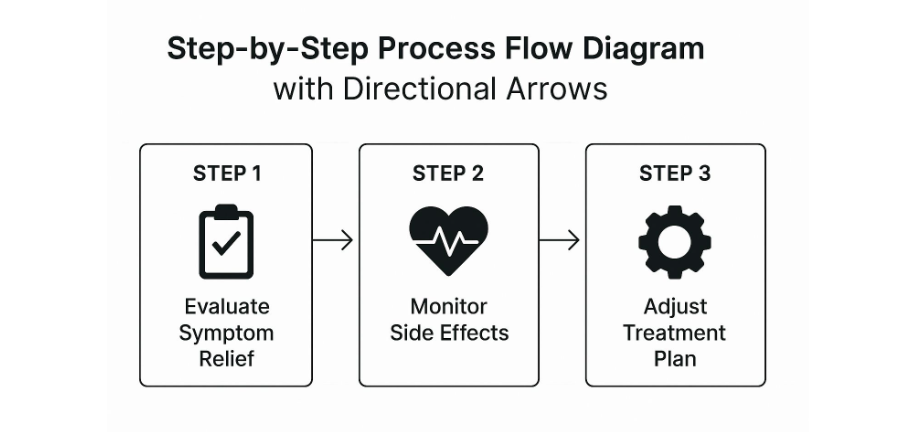
As you can see, medical marijuana treatment isn't a one-time event. It's an active, evolving journey that involves regular check-ins and adjustments with your doctor to make sure it's working for you.
Qualifying Medical Conditions in Mississippi

If you are considering getting a medical marijuana card in Mississippi, the first thing you need to determine is whether you have a condition that qualifies under state law. This is the foundation of the entire program.
Mississippi's medical marijuana program was specifically designed to help people dealing with serious, recognized health issues. The state created an official list of these conditions to make sure the program serves those who genuinely need it. This list gives both you and your doctor a clear, legal roadmap for the evaluation process for a medical card.
Conditions That May Qualify for Relief
The Mississippi Medical Cannabis Act lays out a very specific list of debilitating medical conditions. These are typically illnesses that cause chronic pain, severe nausea, or other persistent symptoms that can significantly impact your daily life. A licensed doctor can help determine if your condition qualifies.
If you’ve been officially diagnosed with one of the following, you're likely eligible to be evaluated for a medical marijuana card:
- Cancer: Often used to help manage the tough side effects of chemotherapy, like nausea, pain, and loss of appetite.
- Parkinson’s disease: Can help with motor symptoms like tremors and stiffness, as well as non-motor issues like sleep problems.
- Huntington’s disease: May assist in managing involuntary movements and other symptoms.
- Muscular dystrophy: Used to alleviate muscle spasticity and the pain that comes with it.
- Glaucoma: Can help lower the intraocular pressure that characterizes the disease.
- HIV/AIDS: Often recommended to combat severe nausea, pain, and wasting syndrome.
- Hepatitis: May help manage symptoms like nausea and abdominal pain.
- Amyotrophic lateral sclerosis (ALS): Can assist with muscle cramps, spasticity, and pain.
- Crohn’s disease: Used to reduce inflammation, abdominal pain, and nausea.
- Ulcerative colitis: Similar to Crohn's, it may help manage inflammation and discomfort.
- Sickle-cell anemia: Often used for its potential to relieve episodes of severe, chronic pain.
- Alzheimer’s disease: Specifically for managing agitated or aggressive behaviors.
- Spinal cord disease or severe injury: Can be recommended for spasticity and neuropathic pain.
- Intractable nausea: For persistent nausea that hasn’t responded to standard treatments.
- Epilepsy or other seizure disorders: Known for its potential to reduce the frequency and severity of seizures.
- Chronic, terminal, or debilitating diseases that produce:
- Cachexia (wasting syndrome)
- Chronic pain
- Severe or intractable nausea
- Seizures
- Severe and persistent muscle spasms
This isn't just a local trend. The global medical cannabis market is projected to reach about $21.04 billion in 2025. This explosion in growth is happening because laws are changing and more patients are seeking out marijuana, backed by a growing body of clinical evidence. You can find out more about cannabis industry growth trends in 2025.
At its heart, Mississippi’s program is about offering a new path to relief. It's about connecting people with specific health struggles to a treatment that could dramatically improve their quality of life, all under a doctor's supervision.
This structured approach ensures that only people with legitimate medical needs can access this option. If your diagnosis is on this list, the next logical step is to book a consultation with a qualified medical marijuana doctor. There, you can have a real conversation about your health history, your symptoms, and whether this is the right choice for you.
Therapeutic Benefits of Medically Supervised Marijuana
When a qualified medical marijuana doctor in Mississippi recommends marijuana, the conversation focuses on improving your day-to-day quality of life by tackling difficult symptoms. The true benefit is found in how medical marijuana can help you feel more like yourself again, highlighting its positive side effects.
A helpful way to think about this is to picture your body's endocannabinoid system (ECS) as an internal balancing act. It works behind the scenes to keep things like pain, mood, and appetite stable. When a chronic illness disrupts that system, the active compounds in marijuana can help your body find its balance again.
A New Approach to Managing Symptoms
Under the guidance of a doctor, using medical marijuana becomes a strategic way to manage the toughest parts of living with a chronic condition. A licensed physician helps you create a plan that focuses on your most disruptive symptoms, aiming for positive outcomes.
This is about achieving specific, measurable improvements. For example, the goal might be to reduce chronic pain enough to get a full night's sleep, or to calm nausea so you can eat properly during other medical treatments.
Common therapeutic goals often include:
- Managing Chronic Pain: For those dealing with conditions like severe arthritis or neuropathy, marijuana can help reduce persistent pain signals. This can make daily activities more bearable and offers a new avenue for relief.
- Controlling Nausea and Stimulating Appetite: Many patients undergoing treatments like chemotherapy face debilitating nausea and a loss of appetite. Medical marijuana is often recommended to help settle the stomach and stimulate the desire to eat, which is crucial for staying strong.
- Alleviating Anxiety and Improving Sleep: Living with a serious health condition is stressful, often bringing anxiety and sleepless nights. Certain compounds in marijuana have calming properties that can help quiet a racing mind and promote more restorative rest.
The real objective of medically supervised marijuana isn't just to mask symptoms. It's to genuinely improve a patient's daily experience, bringing more comfort, function, and peace of mind.
The Growing Acceptance of Medical Marijuana
The increasing recognition of these positive side effects is a big reason why medical marijuana programs are expanding so quickly. The global medical marijuana market was valued at an impressive $24.9 billion in 2024 and is expected to climb to $159.2 billion by 2033. This surge shows a fundamental shift in how both patients and doctors see its potential. You can discover more insights about the medical cannabis market and where it's headed.
This growing acceptance is rooted in a simple fact: for many people in Mississippi, medical marijuana offers a needed alternative. It gives individuals the power to collaborate with their medical marijuana doctors to find a personalized route to feeling better and obtaining a medical card. It's about moving from simply surviving with a condition to truly living with it more comfortably.
Common Questions About Mississippi Medical Marijuana Doctors
It's completely normal to have a lot of questions when you're first exploring the Mississippi medical marijuana program. Knowing exactly how medical marijuana doctors work and what you need to do to get your medical card can make the whole process feel much less intimidating. Let's walk through some of the most common questions from patients in Mississippi.
My goal here is to give you straightforward, practical answers so you can move forward with confidence.
Can My Primary Care Physician Be My Medical Marijuana Doctor?
Yes, in Mississippi, your primary care physician can be your medical marijuana doctor, but only if they are officially registered with the Mississippi Department of Health's medical marijuana program. This registration requires completing state-mandated training.
Many doctors in Mississippi choose not to participate for various reasons. It’s crucial to ask your doctor's office directly if they are certified to issue medical marijuana recommendations. If they aren't, you'll need to find a different, state-approved practitioner for your evaluation to get a medical card.
What Happens After I Receive My Certification From The Doctor?
Getting the written certification from your doctor is a huge step toward getting your medical marijuana card, but it's not the last one. The doctor's certification is your ticket to apply for your official card.
Once you have the certification, your next move is to apply for your ID card through the Mississippi Department of Health's online portal. This involves a few key steps:
- Creating an account on the state's official website.
- Uploading a copy of your doctor's certification.
- Submitting proof that you live in Mississippi (like a driver's license).
- Paying the state's application fee.
After the Mississippi Department of Health approves your application, they’ll issue your digital medical marijuana card. This card is what legally allows you to purchase marijuana from licensed dispensaries in Mississippi. If you're weighing whether it's worth it, you can explore the pros and cons of a medical marijuana card to get a clearer picture.
A medical marijuana doctor's certification is the key that unlocks the state application process. It is the official medical validation required to move forward and obtain your legal patient identification card in Mississippi.
How Often Do I Need To See A Medical Marijuana Doctor?
A medical marijuana certification in Mississippi isn't a one-time event. State law requires you to renew it every year. This means you must have an in-person follow-up appointment with a certifying doctor at least once every 12 months.
This yearly check-up is a chance for the doctor to see how you're doing, discuss whether the treatment is providing positive effects, and re-evaluate if medical marijuana is still the right choice for your condition. Some doctors might ask you to come in more often to stay on top of your progress and adjust your care plan. It’s all about ensuring responsible, ongoing medical oversight for your medical card.
Is My Medical Information Kept Confidential?
Absolutely. Your conversation with a medical marijuana doctor in Mississippi is protected by the same federal law that covers all of your other medical visits: the Health Insurance Portability and Accountability Act (HIPAA). Your health information is kept completely private and secure.
While the Mississippi Department of Health does keep a secure registry of all qualified patients with a medical card, this list is confidential and not available to the public. Your privacy is a cornerstone of the patient-doctor relationship, and the state's program is built to protect it.
If you're seeking guidance from local, trusted healthcare providers on your wellness journey, Pause Pain and Wellness is here to help. Our team simplifies the process for obtaining your medical marijuana card in Mississippi with compassionate care and expert support. Visit us online to schedule your appointment and start your path to relief today.